Am I Too Old for Dental Implants? Age and Candidacy Explained
Why age is not a barrier to successful implant treatment
Read Guide
Dental Implants for Bethesda | Elite Prosthetic Dentistry
Understanding candidacy, requirements, and possibilities
Serving the Bethesda, Maryland and Washington DC Area - Elite Prosthetic Dentistry provides specialized dental implant candidacy evaluations for patients throughout the region, including Bethesda, Chevy Chase, Rockville, and surrounding communities.
Candidacy Assessment
One of the most frequently asked questions is whether a patient is a candidate for dental implants. The encouraging news is that most adults in the Bethesda area can receive dental implants. Even patients who have been told elsewhere that implants are not possible often have excellent options with proper evaluation and treatment planning at our Bethesda practice.
Candidacy is not determined by a single factor. Rather, it involves a comprehensive evaluation of your bone anatomy, general health, oral hygiene habits, and commitment to follow-up care. This page addresses common questions about candidacy and explains what determines whether implants are appropriate for you.
The only way to know for certain whether you are a candidate is through a thorough consultation with a prosthodontist experienced in implant treatment. Our Bethesda implant practice evaluates every patient individually and explores all available options, no matter what you may have been told elsewhere. Learn about comprehensive dental implant solutions, explore bone grafting options if needed, and understand the treatment timeline for your specific situation.
Qualification Factors
Ideal candidates typically share the following characteristics. However, not all are absolute requirements.
Implants require sufficient bone to support them. Ideally, patients have bone density that meets implant specifications and adequate bone height and width at the proposed implant sites. However, bone deficiencies can often be addressed with grafting procedures.
Candidates should be in reasonably good health. Serious medical conditions that significantly impair healing may require additional precautions or modifications to treatment planning.
Smoking impairs bone healing and significantly increases implant failure risk. Ideal candidates are non-smokers. Smokers may still be candidates if willing to quit during the healing phase.
Long-term implant success depends on excellent oral hygiene. Candidates must be willing and able to maintain meticulous home care, including brushing, flossing, and professional cleanings.
Successful implant patients understand that implants are a long-term investment requiring proper care and maintenance. They have realistic expectations about the process, timeline, and costs.
Implant success requires regular professional follow-up appointments, including cleaning, adjustment, and monitoring. Candidates must be committed to lifelong professional care.
Health Considerations
Certain medical conditions and factors do not automatically disqualify patients from implants but do require careful consideration and additional planning. If any of these apply to you, discuss them during your Bethesda implant consultation with our prosthodontist.
Significant bone loss from long-standing tooth loss, periodontal disease, or other causes may reduce available bone volume for implant placement. However, bone grafting procedures can restore bone and make implants possible. Bone grafting adds 3 to 9 months to treatment timeline but opens possibilities for patients who otherwise would be unable to have implants.
Diabetes affects bone healing and increases infection risk. However, well-controlled diabetes (HbA1c below 7%) typically does not significantly increase implant failure risk. Patients with diabetes are often successful implant candidates when their diabetes is well-controlled. Coordinate with your physician to ensure optimal control before implant treatment.
Osteoporosis affects bone density throughout the body, including the jaw. However, patients with osteoporosis can still receive implants successfully. The specific bone density at the implant sites is more important than systemic bone density. 3D imaging reveals the quality of local bone available. Many osteoporosis patients are excellent implant candidates.
Medications such as warfarin, apixaban, and rivaroxaban thin the blood and can increase bleeding during surgery. However, they do not prevent implant treatment. Coordinate with your prescribing physician regarding any necessary precautions during implant surgery. Most patients remain on their blood thinners throughout the procedure.
Conditions such as rheumatoid arthritis, systemic lupus erythematosus, and others may affect healing. However, many patients with autoimmune conditions have successful implants. Discuss your specific condition with our prosthodontist to determine any special considerations.
Smoking is the most significant modifiable risk factor for implant failure. Smokers have significantly higher failure rates than non-smokers. However, smokers may still be candidates if willing to quit, particularly during the critical healing phase. Even reducing smoking significantly improves outcomes.
A history of periodontal disease requires careful evaluation. Active gum disease must be treated before implant placement. However, past gum disease, if now controlled, does not preclude successful implants. Excellent oral hygiene post-implant is essential.
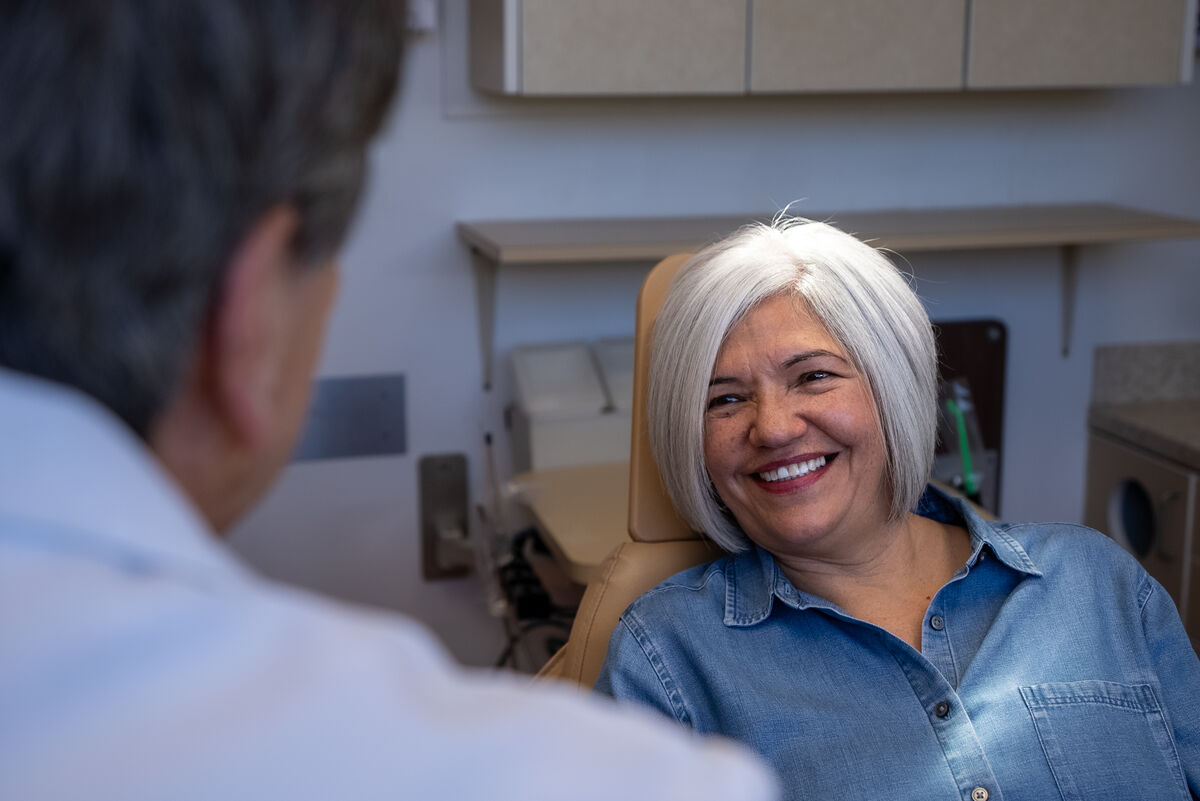
Age alone is not a contraindication for implants. Older patients with good bone quality and general health are often excellent candidates. Younger patients must ensure bone development is complete before implant placement. Age is far less important than bone quality and health status.
Dispelling Misconceptions
Several misconceptions prevent patients in Bethesda and the DC area from pursuing implants. Let us address the most common myths and set the record straight.
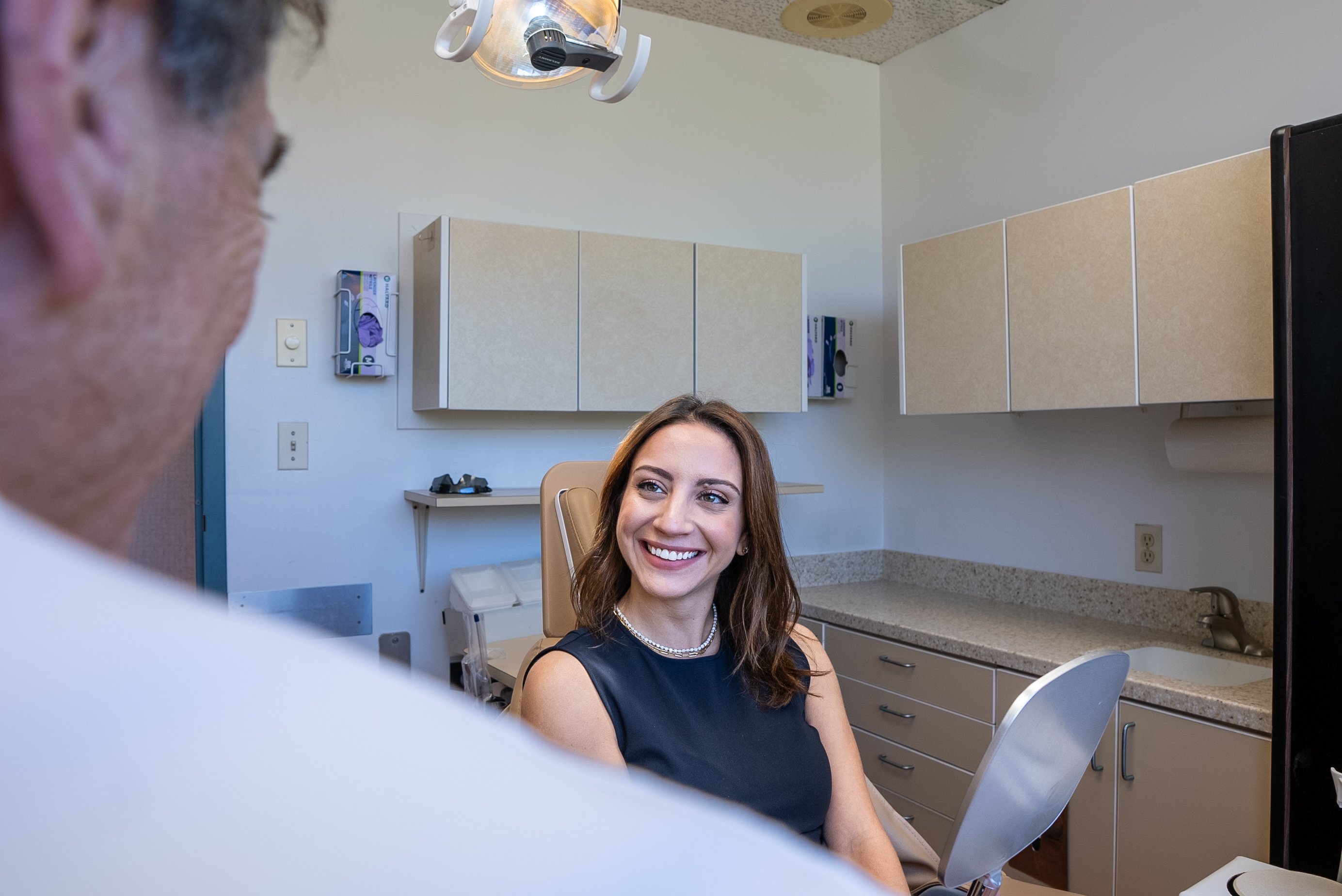
Fact: Age is not a contraindication. Implants depend on bone quality and health status, not chronological age. Patients in their 70s, 80s, and 90s receive implants successfully. Some of our most successful cases are patients over 70. If you have good bone quality and general health, age should not prevent you from having implants.
Fact: Bone loss can be addressed with bone grafting. Modern grafting techniques allow us to rebuild bone volume and create ideal conditions for implant placement. Many patients who have been told elsewhere that they lack sufficient bone discover through proper evaluation that grafting makes implants possible.
Fact: Most medical conditions do not prevent implants. Diabetes, osteoporosis, autoimmune conditions, and blood thinners do not automatically disqualify patients. Careful evaluation and planning can typically accommodate these conditions. Only certain serious conditions that severely impair healing would preclude implants.
Fact: A negative assessment from one provider does not mean implants are impossible. Different practitioners have different expertise, and different treatment planning approaches may reveal options not previously considered. A specialist prosthodontist may identify possibilities that were not apparent to a generalist. Our team regularly consults on complex cases that have been dismissed elsewhere.
Fact: Implants can be integrated with other dental treatments. You can have implants alongside natural teeth, other restorations, or periodontal treatment. Implants are often part of a comprehensive treatment plan addressing multiple dental issues.
Our Process
Determining candidacy requires a thorough evaluation. This is why a consultation is essential rather than relying on phone or online assessments.
Three-dimensional cone beam computed tomography imaging provides precise visualization of your bone anatomy. This technology reveals bone density, bone dimensions, and the relationships between bone and adjacent structures. CBCT imaging is far more informative than traditional two-dimensional X-rays for treatment planning.
A detailed medical history helps identify conditions that may affect implant treatment or healing. Current medications, past surgeries, allergies, and general health status all factor into candidacy assessment.
Beyond quantity, bone quality affects implant success. The density and structure of your bone at the implant sites are evaluated. Areas of dense bone are more favorable than areas of very soft bone. Bone quality often can be determined from CBCT imaging.
If implants are appropriate, detailed treatment planning establishes the number of implants needed, their ideal positions, the type of restoration, and any preparatory procedures required. Our prosthodontist will explain each aspect of the plan and answer all your questions.
Once you're determined to be a candidate, explore options for single tooth implants, complete arch restoration, or implant-supported dentures. Review costs and financing options to understand your investment.
Explore our educational resources to learn more about dental implants and make informed decisions about your care.
Why age is not a barrier to successful implant treatment
Read GuideExpert information from Bethesda's implant specialist
Read GuideExpert information from Bethesda's implant specialist
Read GuideThe only way to know if you are a candidate for dental implants is through a proper evaluation. Schedule a consultation with our prosthodontist to explore your possibilities. Learn about how to request your consultation, understand the complete treatment timeline, and review transparent pricing and financing.
Request Your ConsultationCommon Questions
For authoritative information on implant candidacy and success, consult the American Academy of Implant Dentistry, the American College of Prosthodontists, and the American Dental Association for evidence-based patient education.
Age alone is not a contraindication for dental implants. Patients in their 70s, 80s, and beyond have successfully received implants when they have adequate bone density and good overall health. Your age is less important than your bone quality, general health status, and commitment to oral hygiene. Many older patients are excellent implant candidates.
Smoking significantly impairs bone healing and increases implant failure risk. Ideally, patients should quit smoking before implant treatment. However, smokers may still be candidates if they are willing to quit or significantly reduce smoking during the healing phase. The healing period typically requires at least two to six months without smoking. Discuss your smoking status during your consultation.
Diabetes does not automatically disqualify you from implants. Well-controlled diabetes (HbA1c below 7%) typically does not significantly increase implant failure risk. However, uncontrolled diabetes can impair healing and increase complications. If you have diabetes, ensure it is well-controlled with your physician before pursuing implants. Discuss your diabetes status with our prosthodontist during your consultation.
Bone loss does not necessarily eliminate your implant options. Modern bone grafting techniques allow us to restore bone volume in areas of deficiency. Bone grafting adds time and cost to treatment but expands implant possibilities significantly. Patients who have been told elsewhere that they lack sufficient bone often have excellent options with proper planning. A consultation with a prosthodontist is essential to explore your possibilities.