Bone Loss and Dental Implants: What You Need to Know
Expert information from Bethesda's implant specialist
Read Guide
Dental Implants for Bethesda | Elite Prosthetic Dentistry
Complex cases made possible with decades of prosthodontic expertise
Bone grafting is a surgical procedure that restores or augments the volume and quality of jawbone when it has been compromised by bone loss. Many patients are initially told they do not have enough bone for dental implants at other practices. This statement often reflects limited options under traditional treatment planning rather than a true clinical impossibility. At our Bethesda practice, our team specializes in complex cases that involve significant bone loss or difficult anatomy. Through careful assessment, surgical expertise, and modern grafting techniques, we can make implants possible for Bethesda patients previously thought to be unsuitable candidates.
The success of a dental implant depends fundamentally on the bone surrounding it. Bone provides mechanical support, anchors the implant during healing, and preserves the foundation for long-term implant survival. When bone is insufficient, inadequate, or malpositioned, implants fail or are compromised. Bone grafting procedures restore bone volume, improve bone quality, and reposition anatomy to optimize implant outcomes. The investment in grafting upfront prevents implant failure and revision surgery later, benefiting Bethesda patients for decades.
Our team approaches each complex case methodically. Three-dimensional cone beam CT imaging reveals the exact anatomy. Treatment planning software determines what grafting, if any, is necessary. Some patients require multiple grafting stages. Others benefit from strategic implant positioning that avoids extensive grafting. The goal is always the simplest treatment path that achieves long-term clinical success. Patience and proper planning separate successful complex cases from failed shortcuts. Explore our comprehensive candidacy assessment page and learn about all comprehensive dental implant solutions.
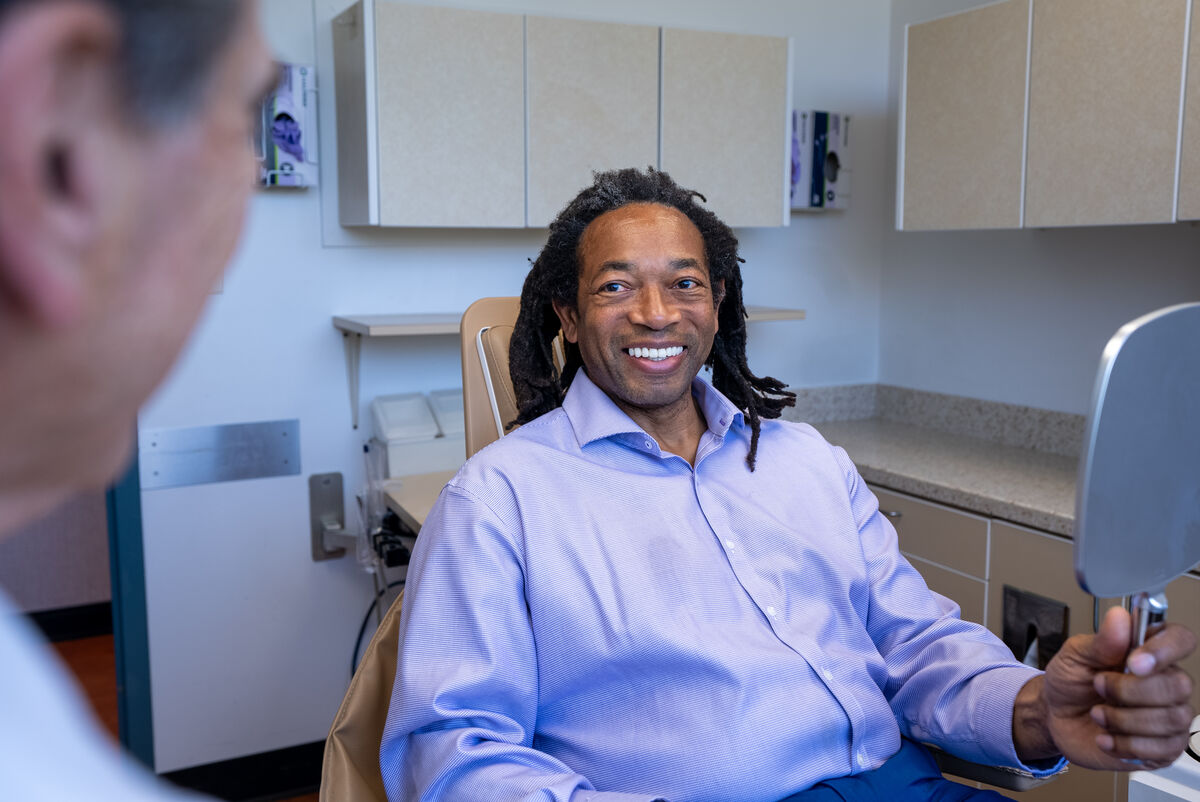
Bone loss in the jaw is a consequence of several underlying processes, each requiring different clinical responses. Understanding the cause of your bone loss helps explain the specific grafting approach recommended for your case. Our team evaluates Bethesda patients thoroughly to identify the root cause and design the most effective solution.
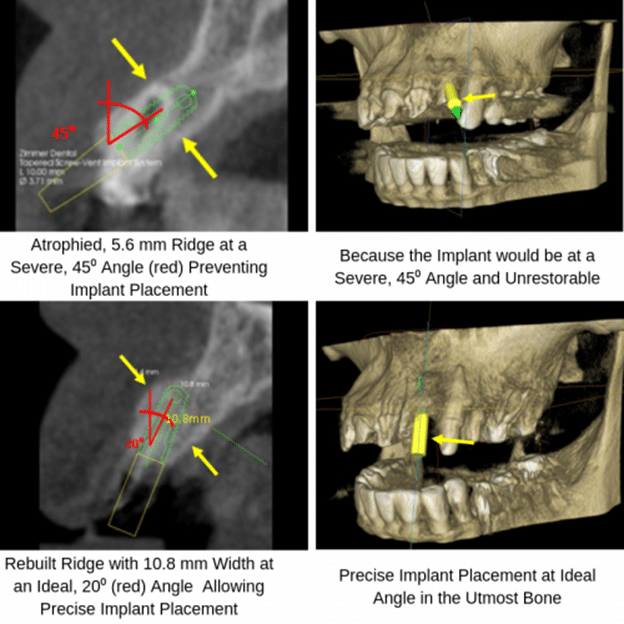
The single most common cause of bone loss is prolonged tooth loss. A tooth root stimulates the surrounding bone through mechanical forces and metabolic signaling. When a tooth is extracted, this stimulus ceases. The bone begins to resorb immediately, and the rate is most rapid in the first six months. Within one year, as much as forty percent of bone width and twenty-five percent of height can be lost. This process continues indefinitely, gradually reshaping the entire ridge. Teeth missing for many years result in dramatic bone loss, sometimes leaving only a thin, resorbed ridge unsuitable for implant placement without grafting.
Periodontal disease destroys bone around infected teeth. As the disease progresses, the supporting bone is progressively consumed. By the time teeth are extracted for severe periodontal disease, significant bone loss has often already occurred. Additionally, the pattern of bone loss is often irregular, creating challenging anatomy for implant placement. Patients with a history of periodontal disease frequently require grafting not only to restore volume but also to regularize the ridge shape.
Traumatic tooth loss or difficult extractions can damage the surrounding bone. Infections, sequestration of necrotic bone, or inflammatory responses following extraction can create bone defects. Some patients have experienced blunt trauma to the jaw from accidents, causing bone fractures that heal with reduced bone volume. These traumatic injuries may require extensive reconstruction before implant placement is feasible.
Dentures cover and bear force against the gum ridge. Over decades, this constant pressure accelerates bone resorption. Patients who have worn dentures for twenty to forty years often have severely resorbed ridges that appear almost ribbon-like. The bone loss from denture wear is particularly severe and creates uniquely challenging anatomy. However, even extensively resorbed ridges can often support implants with appropriate grafting and implant planning.
When a tooth is extracted, the socket begins to resorb immediately if left unmanaged. Socket preservation grafting involves placing bone graft material into the extraction socket immediately after tooth removal. The graft material provides a scaffold for new bone formation and physically blocks the resorption that would otherwise occur. This procedure, performed at the time of extraction, prevents or minimizes the bone loss that would subsequently develop. Socket preservation significantly simplifies later implant placement and often eliminates the need for more extensive augmentation procedures. For patients with single tooth loss, socket preservation done at extraction time is one of the most cost-effective preventive investments.
Ridge augmentation restores bone height and width to the facial surface of the jawbone when bone has already been lost. This procedure involves placing graft material along the deficient ridge and securing it with a protective membrane. The membrane guides the growth of new bone from the residual ridge into the grafted area. Ridge augmentation typically requires four to six months of healing before implant placement is possible. The width and height of bone gain varies depending on the technique and the volume of graft material placed. Our specialist uses advanced techniques including guided bone regeneration and alveolar distraction to maximize bone restoration.
The maxillary sinuses are air-filled cavities in the upper jaw, located above the posterior teeth. In many patients, the floor of the sinus is low, leaving insufficient bone for implant placement in the upper back jaw. A sinus lift procedure involves creating an opening in the bone above the roots of the posterior teeth, carefully elevating the sinus membrane, and placing bone graft material beneath the lifted membrane. Over time, new bone forms in this space, raising the sinus floor and creating adequate vertical bone for implant placement. Sinus lifts are performed as open procedures or through minimally invasive approaches depending on the clinical situation. Most sinus lift patients can have implants placed four to six months later.
Block bone grafts involve placing solid blocks of bone, typically harvested from the back of the lower jaw (mandibular ramus) or from the patient's hip bone (iliac crest), into areas of significant bone deficiency. Block grafts are particularly effective for large three-dimensional defects and for ridge deficiencies that require both vertical and horizontal restoration. The block integrates with the residual bone and provides excellent support for implants. Block grafting requires more extensive surgery than particulate grafting but offers superior results in severe deficiency cases. Recovery is longer, typically requiring eight to twelve weeks before beginning implant placement. Our specialist uses advanced techniques to optimize outcomes for each case.
Bone graft materials vary in source and composition. Autografts use bone harvested from the patient's own body, typically from the jaw itself, hip, or tibia. Autografts are gold standard because they contain living cells that promote healing and are not immunogenic. Allografts are bones processed from human donors and offer good biocompatibility without the need for a second surgical site. Xenografts derive from animal bone, typically bovine, and provide a scaffold for bone growth though they do not contain living cells. Synthetic grafts including calcium phosphate compounds and other bone substitutes offer excellent biocompatibility and predictable performance. Our specialist selects the appropriate graft material for each Bethesda case based on the size and nature of the defect, the patient's health, and the desired timeline.
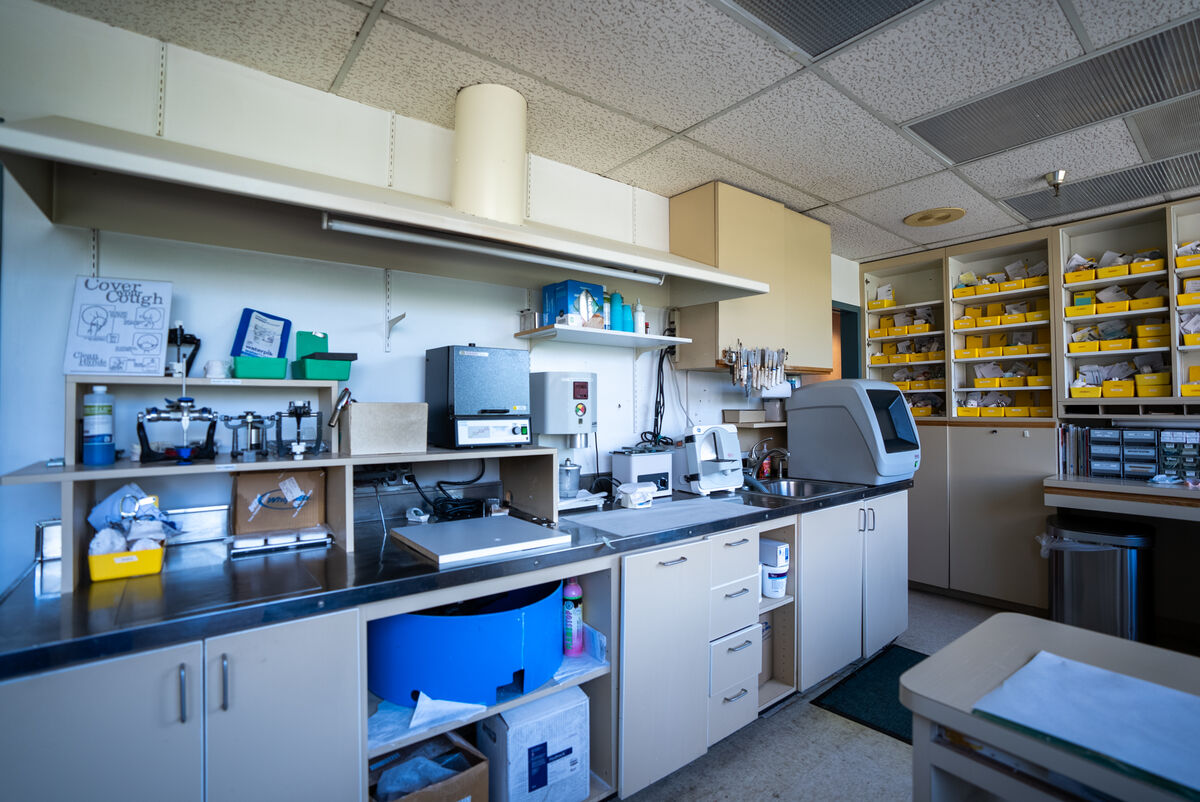
Elite Prosthetic Dentistry features state-of-the-art cone beam CT imaging technology, enabling detailed three-dimensional visualization of bone structure. This advanced imaging allows precise assessment of bone volume, quality, and positioning, leading to customized treatment plans optimized for success. Detailed preoperative imaging reduces surgical complexity and improves implant outcomes for every Bethesda patient.
The sinus lift is one of the most successful and predictable bone grafting procedures, allowing implant placement in the upper back jaw where bone height is otherwise inadequate. Understanding the procedure alleviates concerns many patients have about its complexity.
The sinus floor is low in many patients, leaving only three to five millimeters of bone between the sinus floor and the top of the lower posterior teeth. Dental implants typically require a minimum of ten millimeters of bone height to achieve proper mechanical support. A sinus lift is indicated when the gap between the sinus floor and remaining bone height is too small for safe implant placement. Three-dimensional imaging precisely measures bone height and determines whether a sinus lift is necessary.
The traditional sinus lift involves creating an opening (called a window) in the bone on the side of the sinus, below the sinus lining. The sinus membrane is carefully elevated, creating a space beneath it. Bone graft material is placed into this space, either as particles mixed with saline or as a block graft. The bone wall is secured with a membrane to contain the graft material and allow new bone to form. The surgical site is closed with sutures and heals over four to six months. During this time, new bone forms in the grafted area, raising the sinus floor and creating sufficient height for implant placement. Some techniques allow simultaneous implant placement at the time of sinus lift, depending on the amount of residual bone available.
Sinus lift recovery is typically straightforward. Most patients experience mild swelling for three to five days and can return to normal activities within one week. Strenuous exercise, heavy lifting, and forceful nose blowing should be avoided for four to six weeks to protect the healing graft. Some patients experience temporary sinus pressure or congestion as the grafted area heals, but serious complications are rare. Once healing is complete, typically four to six months after the sinus lift, cone beam CT imaging confirms successful bone formation. Implants can then be placed into the newly created bone with high confidence of success.
Complex cases require more than technical expertise. They demand patience, careful planning, and willingness to pursue staged treatment when necessary. Our team has decades of experience developing systems for evaluating difficult anatomy, predicting outcomes, and executing complex surgical plans successfully. Our Bethesda practice has become a destination for patients seeking expert management of cases others have deemed impossible.
Every complex case begins with high-resolution three-dimensional cone beam CT imaging. This technology reveals bone volume, quality, angulation, and spatial relationships that two-dimensional X-rays cannot show. Bethesda patients benefit from advanced imaging and planning software that creates a precise surgical roadmap, identifying exactly where implants will be placed and what grafting, if any, is necessary to achieve proper positioning. This planning phase takes time but prevents intraoperative complications and optimizes outcomes for every Bethesda case.
Over decades and more than 3,900 implants, our team has encountered and successfully managed anatomy that many practitioners consider prohibitive for implant placement. Our experience teaches us not only what is possible but also what is practical and sustainable. We know which cases benefit from block grafts versus ridge augmentation, when sinus lifts are necessary versus when strategic implant positioning suffices, and how to sequence complex multi-stage treatments efficiently.
Some complex cases require a phased approach. For example, severe bone loss may be addressed with an initial ridge augmentation, followed three to four months later by a sinus lift, followed six to eight weeks later by implant placement. This staged approach, while requiring patience, produces superior outcomes compared to attempting everything at once. Our team explains the timeline and rationale for each stage, ensuring you understand the path to your final restoration.
Complex cases require time for bone healing and integration. Our team does not compromise treatment timelines to accelerate results. When grafted bone needs four to six months to mature, we allow that time. When implants need six months to integrate, that integration is confirmed before proceeding to final restoration. This unhurried approach may extend total treatment time to one to two years in severe cases, but it maximizes success rates and long-term outcomes. The investment of patience yields implants that function reliably for decades.
Not every patient requires bone grafting. Some patients have maintained excellent bone from recent tooth loss or strong underlying anatomy. Others have bone that is adequate in volume but perhaps slightly deficient in one dimension, addressable through careful implant positioning rather than grafting.
Patients who have lost teeth within the past few months, or who have strong underlying jawbone anatomy, often have sufficient bone for immediate implant placement without grafting. Modern implant designs allow successful osseointegration with narrower bone volumes than older implant systems required. Many patients are surprised to learn they do not need grafting after being evaluated properly with three-dimensional imaging and examined by a prosthodontist experienced in complex cases.
Sometimes bone appears adequate in one location even though another location seems deficient. Strategic positioning of implants into available bone can eliminate the need for grafting. For example, in the upper jaw, implants positioned slightly anterior or posteriorly to the planned position may avoid the low sinus floor and reduce or eliminate sinus lift requirements. In the lower jaw, implants positioned between the mental nerves can sometimes utilize bone that initial evaluation suggested was inadequate. This optimization requires three-dimensional thinking and experience but often simplifies treatment.
In cases of extreme upper jaw bone loss where conventional sinus lifts would be insufficient or impractical, zygomatic implants offer an alternative. These are longer implants that are anchored into the zygomatic bone (cheekbone) rather than the maxilla. Zygomatic implants bypass the need for extensive bone grafting in severely resorbed upper jaws. This technique is advanced and not universally available, but our specialist is experienced in zygomatic implant placement and offers this option when conventional grafting would be extensive or unlikely to succeed.
Elite Prosthetic Dentistry specializes in cases that others have deemed impossible. With decades of prosthodontic expertise, more than 3,900 successful implants, and a 97%+ success rate, our team brings hope to Bethesda patients previously told they cannot have dental implants due to bone loss.
Bethesda patients benefit from: Advanced 3D imaging technology, sophisticated surgical planning, multiple grafting technique options, decades of experience with difficult anatomy, and commitment to staged treatment for optimal outcomes.
Our expertise in bone grafting and complex cases may make implants possible for you. Discover your options for single tooth replacement, complete tooth restoration, and learn about our realistic treatment timeline. Schedule a consultation at our Bethesda office to explore your options.
Request Your ConsultationFor scientific research and clinical evidence on bone grafting and implant integration, explore resources from the American College of Prosthodontists, the American Academy of Implant Dentistry, and PubMed for peer-reviewed implant research.
Bone grafting is performed under anesthesia, so pain during the procedure is eliminated. After surgery, mild to moderate soreness is normal for three to seven days and is managed with prescribed or over-the-counter pain medication. Most patients experience discomfort rather than severe pain and report that the soreness is well-controlled with medication. Swelling peaks around day two or three and gradually resolves over one to two weeks. Our team provides detailed postoperative instructions and is available for any concerns about pain management.
Healing time depends on the type and extent of grafting. Ridge augmentation and socket preservation typically require four to six months before implant placement. Sinus lifts require four to six months before implants can be placed in the lifted area. Block bone grafts may require six to eight weeks for initial healing, followed by eight to twelve additional weeks before implant placement. Some cases allow simultaneous implant placement with grafting if adequate base bone is present, reducing overall treatment time. Our specialist determines the appropriate timeline for your specific case based on the grafting performed.
This is one of the most common reasons patients consult our specialist. A determination that you lack bone for implants often reflects limited options or insufficient three-dimensional evaluation rather than a permanent disqualifying condition. Bone grafting techniques can restore or augment bone in the vast majority of patients. Socket preservation, ridge augmentation, sinus lifts, and block grafts have documented success rates exceeding ninety-five percent. Our specialist evaluates your specific anatomy with cone beam CT imaging and determines what grafting, if any, would make implant placement possible. Many patients told they were not candidates become suitable candidates after grafting.
In some cases, yes. Strategic implant positioning may avoid grafting in cases with localized bone deficiency. Shorter implants may work in situations with limited vertical bone, though success rates are lower than with standard-length implants in adequate bone. Implant supported dentures can sometimes address extensive bone loss without requiring implants in optimal positions, reducing or eliminating grafting needs. Zygomatic implants offer an alternative in extreme upper jaw bone loss. However, for most cases, bone grafting offers the best long-term outcomes and is worth the additional time and cost.
Coverage varies significantly by insurance plan. Some plans cover a portion of bone grafting costs if grafting is deemed medically necessary for implant success. Many plans classify bone grafting as an elective or cosmetic procedure and cover little or none of the cost. Medicare generally does not cover bone grafting for dental implants. Our office works with your insurance carrier to clarify what may be covered and provides detailed cost estimates before treatment begins. Financial arrangements and financing options are available for patients managing out-of-pocket costs. We encourage you to review your specific insurance policy or contact your carrier with your treatment plan details.
Explore our educational resources to learn more about dental implants and make informed decisions about your care.
Expert information from Bethesda's implant specialist
Read GuideWhy age is not a barrier to successful implant treatment
Read GuideA complete guide to healing after implant surgery
Read GuideBethesda patients with complex bone loss, difficult implant cases, or previous denials for dental implants find hope at Elite Prosthetic Dentistry. Located conveniently in Bethesda, Maryland, our office has become a destination for patients throughout Washington DC, Chevy Chase, Silver Spring, Rockville, and surrounding communities seeking expert bone grafting and implant solutions.
If you've been told elsewhere that your bone loss is too severe for implant treatment, we encourage you to seek a second opinion from our team. Many Bethesda patients are surprised to learn that advanced grafting techniques can restore bone volume and make implant placement possible. Let our decades of expertise and 97%+ success rate give you confidence in your path forward.
Our team specializes in complex cases. Contact our Bethesda office to discuss your bone grafting and implant options.
4400 Jenifer St NW, Suite 220
Washington, DC 20015