
What Are Dental Implants?
Comprehensive implant solutions delivered by a specialist prosthodontist serving the Bethesda, MD community
Dental implants represent the gold standard for tooth replacement. An implant consists of three distinct components: a titanium post surgically placed into the jawbone where the tooth root once was, an abutment that connects to the post and emerges above the gum line, and a custom restoration (crown, bridge, or denture) that replaces the visible tooth or teeth.
Unlike traditional bridges or dentures, implants replace not only the visible tooth but also the root structure, preserving bone volume and surrounding teeth. This fundamental difference makes implants the most conservative and longest-lasting solution for tooth replacement in dentistry.
Our specialist prosthodontist brings decades of experience and more than 3,900 implant placements, combining surgical precision with restorative expertise. This dual skill set is rare and critical. Most dentists either perform surgery or restoration, but not both. Our team plans the final restoration first, then determines the optimal implant position and angle to achieve both aesthetic and functional success.
For Bethesda patients seeking exceptional implant care, Elite Prosthetic Dentistry's comprehensive approach ensures both immediate and long-term success. Patients from Bethesda, Chevy Chase, Potomac, Rockville, and throughout the greater Washington area trust our clinical expertise and detailed treatment methodology. Our success rate exceeds 97 percent, reflecting meticulous case planning, surgical skill, and rigorous follow-up care.
How Dental Implants Work
The science and technique behind successful implant integration for Bethesda patients
Understanding implant success requires understanding osseointegration, the biological process that makes implants function. When a titanium implant post is placed into the jawbone, the bone undergoes a healing response. Over weeks and months, bone cells grow directly into contact with the titanium surface, creating a stable mechanical and biological bond. This process, termed osseointegration, is predictable and highly reliable when proper surgical and restorative protocols are followed.
The three-component structure works together to restore both form and function. The implant post, buried within bone, acts as the replacement root. As bone heals and integrates, the post becomes progressively more stable. Once healing is complete, typically 4-6 months, the abutment is placed. This component protrudes above the gum line and serves as the connection point for the final restoration.
The final crown, bridge, or denture is then fabricated to match the patient's natural teeth in color, shape, and contour. Unlike natural teeth, implant restorations do not develop cavities, as they are not living tissue. However, the bone and tissues surrounding the implant must remain healthy through proper oral hygiene and professional care.
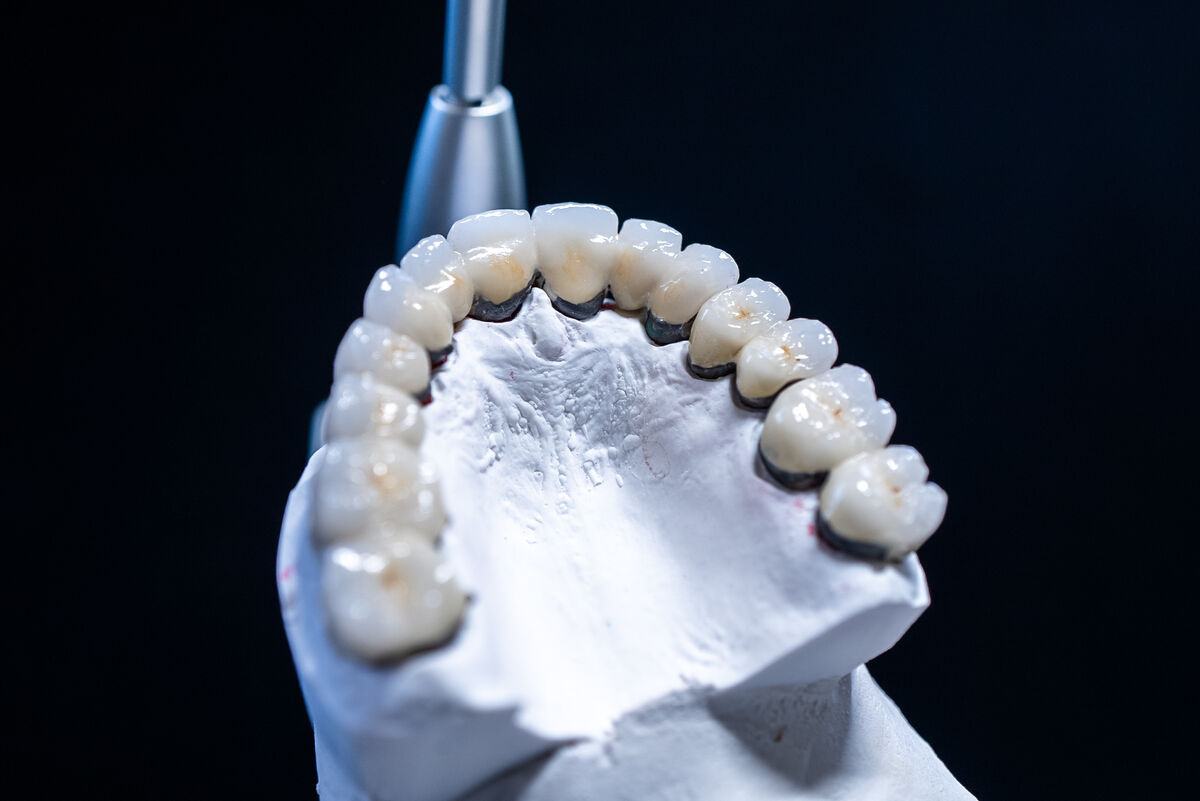
Bone quality and volume are critical factors determining implant success. The jawbone must have sufficient density to hold the implant in place and support the healing process. When bone is deficient from long-standing tooth loss, bone grafting procedures can restore volume and density, making previously challenging cases achievable.
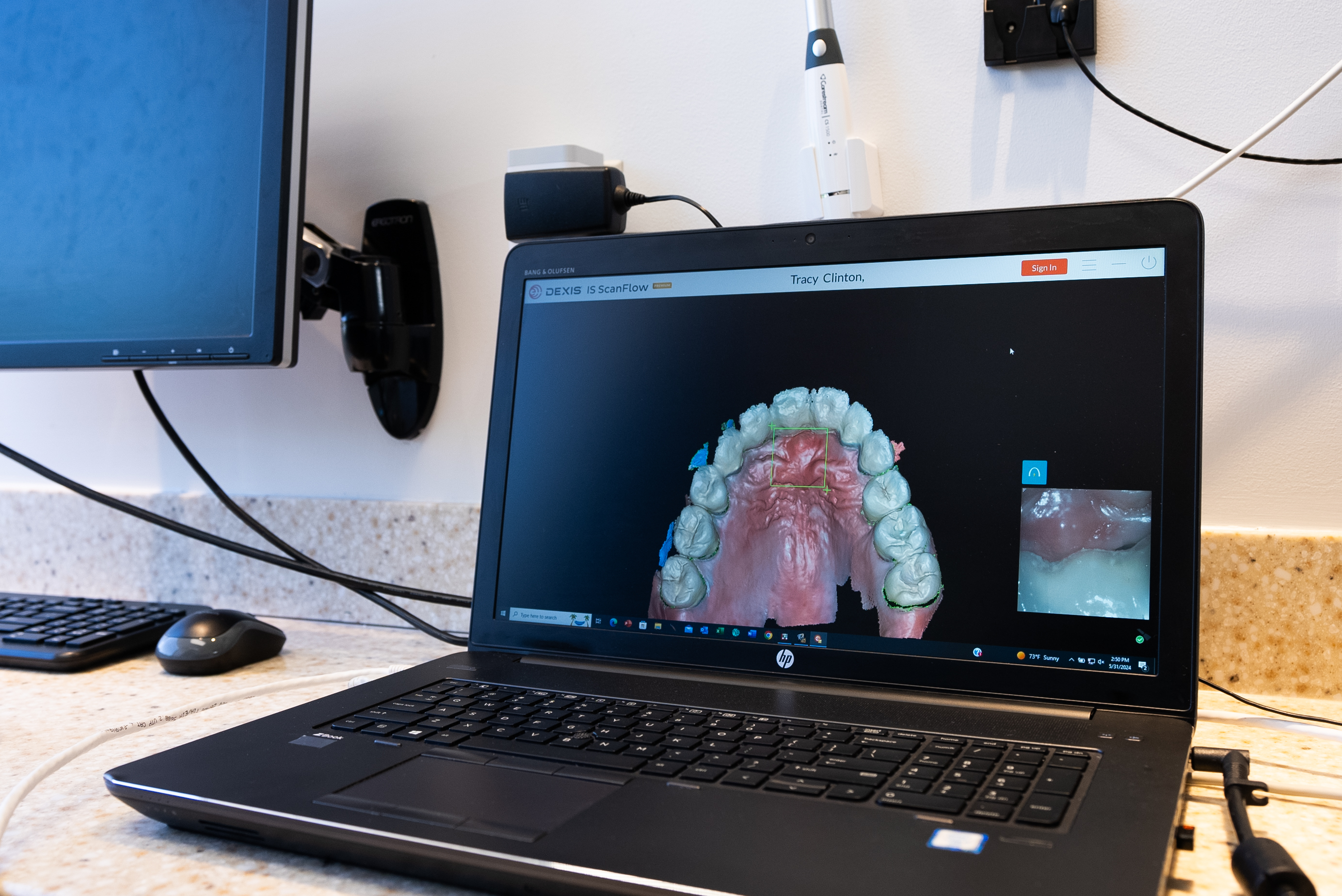
Our prosthodontist's training emphasizes planning the final restoration before surgery. Using 3D imaging and digital treatment planning, our team determines where implants must be positioned to achieve optimal aesthetics, function, and long-term health for Bethesda and regional patients. This restorative-driven approach contrasts with surgery-first planning, which sometimes results in implants positioned for ease of placement rather than optimal restoration design.
Types of Dental Implants
Custom implant solutions tailored to each patient's needs in our Bethesda dental practice
Dental implants are customized solutions, but they fall into three primary categories based on the number of teeth being replaced and the complexity of the case.
Single Tooth Implants
A single dental implant replaces one missing tooth with an implant post and a custom crown. This approach is ideal for patients missing one or a few isolated teeth. Learn more about single tooth implants and restoration options.
Full Arch Dental Implants
When all or most teeth in an arch (upper or lower) are missing, full arch implant solutions provide a fixed replacement. These may be fabricated on 4, 5, 6, or more implants depending on bone volume and functional demands. Explore full arch implant options and treatment planning.
Implant-Supported Dentures
Implant-supported dentures combine the stability of implants with a removable prosthesis. Typically supported on 2-4 implants, these dentures offer superior retention and stability compared to traditional dentures while maintaining some removability for cleaning and maintenance. Learn more about implant-supported denture solutions.
The Dental Implant Process
A detailed roadmap from consultation through restoration for Bethesda patients
Successful implant treatment follows a structured, multi-phase protocol. Understanding each phase helps patients prepare mentally and physically for the procedure.
Phase 1: Consultation and 3D Imaging
The process begins with a comprehensive consultation. Our team examines your teeth, gums, and jawbone, reviewing your medical history and tooth loss cause. Cone beam computed tomography (CBCT) imaging is obtained, providing precise 3D views of bone volume, density, and anatomical features. This imaging is essential for determining candidacy and identifying any need for bone grafting.
Phase 2: Digital Treatment Planning
Using specialized software, our prosthodontist plans the final restoration and determines optimal implant positions. This digital approach allows visualization of the final outcome before any surgery occurs, ensuring alignment between surgical placement and restorative design. The plan is discussed with you in detail, including timing, cost, and expected outcomes.
Phase 3: Implant Placement Surgery
Surgery is performed under local anesthesia with sedation options available. Using the pre-operative plan as a guide, our lead clinician carefully prepares the bone socket and places the implant post. If tooth extraction is needed, it is often completed at the same time. A temporary restoration may be placed if needed for appearance or function during healing.
Phase 4: Osseointegration and Healing
After implant placement, healing occurs over 4-6 months. During this time, bone grows into contact with the implant post, creating a stable foundation. You will be monitored through periodic appointments to ensure proper healing. In most cases, you will not feel the implant healing, though some patients report mild awareness during the first week.
Phase 5: Abutment and Restoration
Once osseointegration is complete, the abutment is placed or exposed through a minor outpatient procedure. The final restoration is then fabricated and secured. You will have multiple appointments for impressions, shade matching, try-ins, and adjustments to ensure optimal fit, appearance, and function.
For details on timeline expectations, see the comprehensive implant timeline guide.
Who Is a Candidate for Dental Implants?
Determine your candidacy for implant treatment in our comprehensive Bethesda assessment
Most Bethesda patients with missing teeth are candidates for implants. General health, bone volume, and commitment to oral hygiene are the primary determining factors. Candidates should have good overall health, adequate bone in the jaw, and the ability to maintain excellent oral hygiene after implant placement.
Bone density and volume are evaluated through 3D imaging. Patients with inadequate bone volume are not automatically excluded. Bone grafting procedures, including sinus lifts and other augmentation techniques, can restore bone to levels sufficient for implant placement. Our team regularly treats patients with significant bone loss who have been told they cannot have implants elsewhere.
Certain medical conditions, such as uncontrolled diabetes or active cancer treatment, may affect healing and require delay or modification of treatment. Smoking significantly impacts implant success, though it is not an absolute contraindication. Patients who smoke are counseled on the increased risk and may be recommended for additional monitoring or supportive care.
Age is not a limiting factor. Patients in their 80s and 90s have successfully received implants when overall health supports the procedure. Conversely, implants cannot be placed until the jawbone is fully mature, typically by age 17-18.
To determine your candidacy, request a consultation with our prosthodontist. Even if bone loss or other factors are present, viable options often exist. See our comprehensive candidacy assessment guide and explore advanced bone grafting options if needed.
Our team's expertise spans all implant types: from single tooth implants to complete full arch restorations and implant-supported dentures. For more details on the entire process, review our detailed implant timeline guide.
For authoritative information on implant science and best practices, consult resources from the American College of Prosthodontists and the American Academy of Implant Dentistry, industry leaders in implant excellence.
Why Choose a Prosthodontist for Dental Implants?
The advantage of comprehensive prosthodontic training in Bethesda implant care
Not all dentists are equally trained in implant treatment. Understanding the differences between practitioners is important for achieving optimal outcomes.
A general dentist receives basic implant training during dental school and may place implants or restore them with varying experience levels. An oral surgeon specializes in surgical extraction and implant placement but may not have extensive training in the restorative phases that determine final appearance and function. A prosthodontist is trained in both surgical implantology and restorative dentistry, completing 2-3 additional years of specialty education after dental school.
Our prosthodontist's background means our team understands the complete implant process. We plan the final restoration first, then determine where the implant must be positioned to achieve that restoration. This restorative-driven approach ensures implants are placed not for surgical convenience, but for optimal aesthetics, function, and longevity.
For Bethesda patients seeking the highest level of implant expertise, our team oversees the entire case from diagnosis through final restoration and long-term maintenance. This integrated approach is especially critical in cases requiring bone grafting, esthetic restoration, or complex full-arch treatment. When the restorative dentist must work with an implant placed by someone else, compromises often result. Our comprehensive care eliminates this problem.
Serving Bethesda from Our Washington, DC Office
Convenient access for Bethesda and surrounding Maryland communities
Based in Washington, DC, Elite Prosthetic Dentistry serves patients from Bethesda, Chevy Chase, Potomac, Rockville, and throughout the greater Washington metro area. The office is located at 4400 Jenifer St NW, Suite 220, one block from the Tenleytown Red Line station, providing convenient access from throughout the region. Whether your primary residence is in Maryland or DC, our location and hours are designed for patient convenience.
Expert Implant Care for Bethesda Residents
Elite Prosthetic Dentistry has been the trusted implant specialist for Bethesda families and professionals with decades of experience. If you're considering dental implants or have questions about treatment options, contact our office to schedule your consultation.
Patient Education
Explore our educational resources to learn more about dental implants and make informed decisions about your care.
What Are Dental Implants? A Complete Guide for Bethesda Patients
Understanding the most effective solution for missing teeth
Read GuideDental Implant vs. Bridge: Which Is Right for You?
A comprehensive comparison of tooth replacement options
Read GuideHow Long Do Dental Implants Last? Longevity and Care
Understanding the lifetime value of dental implants
Read GuideSchedule Your Implant Consultation
Ready to explore your dental implant options? Determine your candidacy and learn about costs and financing options with Elite Prosthetic Dentistry. Call (202) 244-2101 or request a consultation to discuss your specific situation.
Request ConsultationFrequently Asked Questions
What is the success rate of dental implants?
When placed and maintained properly, dental implants have success rates exceeding 95-97 percent. Our team has achieved a greater than 97 percent success rate across more than 3,900 implant placements with decades of experience. Success depends on multiple factors including bone quality, surgical technique, restorative planning, and ongoing patient maintenance.
How long do dental implants last?
Dental implants are designed to last a lifetime with proper care. The implant post itself, made of titanium, does not decay or develop cavities. The crown, abutment, or prosthesis on top may eventually need replacement due to wear, but the implant foundation can remain stable for decades. Proper oral hygiene and regular professional care are essential for longevity.
Is the dental implant procedure painful?
The implant placement procedure is performed under local anesthesia with sedation options available. Patients typically experience minimal discomfort during surgery. Post-operative soreness is manageable with prescribed or over-the-counter pain management. Most patients report that anticipation is worse than the actual experience. Our team provides detailed post-operative care instructions to minimize discomfort during healing.
What is the difference between a dental implant and a bridge?
A dental implant replaces a missing tooth with an artificial root and crown, preserving adjacent teeth and bone. A bridge spans the gap by anchoring to adjacent teeth, which must be prepared and crowned. Implants preserve more tooth structure in neighboring teeth, maintain bone volume better, and do not rely on other teeth for support. While bridges are less expensive initially, implants typically provide superior long-term outcomes.
Can I get dental implants if I have bone loss?
Many patients with bone loss are still candidates for dental implants. Bone grafting procedures can rebuild lost bone volume to support implants. Our prosthodontist evaluates bone density and volume using 3D imaging to determine if grafting is necessary. Even patients told elsewhere that they are not candidates often have viable options through advanced grafting and implant planning techniques.
How do I care for dental implants?
Care for dental implants is similar to caring for natural teeth. Brush and floss daily, using specially designed floss or interdental brushes around the implant. Attend regular professional cleanings and examinations. Avoid smoking and excessive force on the implant. With proper oral hygiene and professional maintenance, implants can remain healthy and functional for decades.
Dental Implants for Bethesda and the Greater Washington Area
Elite Prosthetic Dentistry has been a pillar of dental implant excellence in the Bethesda community and surrounding regions with decades of experience. Whether you're a Bethesda, Chevy Chase, Potomac, Rockville, or Washington DC resident seeking advanced implant treatment, you'll find expert care focused on your individual needs and long-term success.