
Dental Implant Timeline
Understanding the phases of treatment and realistic timeframes
Bethesda Implant Timeline Expert - Elite Prosthetic Dentistry provides detailed timeline planning for dental implant patients in Bethesda, Maryland and throughout the Washington DC area, ensuring realistic expectations from start to finish.
Treatment Timeline
How Long Does the Bethesda Dental Implant Process Take?
The timeline for dental implant treatment varies significantly from patient to patient in our Bethesda practice. Some patients complete treatment in four to six months. Others, particularly those requiring bone grafting or multiple implants, may need ten to twelve months or longer. Understanding the phases of treatment helps you know what to expect and why the process takes the time it does.
The most important principle to understand is that certain biological processes cannot be rushed. The time required for bone to integrate with the implant and for adequate healing is a biological necessity, not an arbitrary delay. Rushing the process or attempting to shortcut these phases compromises long-term success. Explore our comprehensive candidacy assessment and review complete dental implant information to prepare for your treatment.
Six-Phase Process
The Six Phases of Bethesda Dental Implant Treatment
Initial Consultation and Treatment Planning
Your implant journey begins with a comprehensive consultation. During this visit, our specialist reviews your medical history, performs a clinical examination, takes three-dimensional imaging (CBCT), and develops a detailed treatment plan. You will receive an itemized cost estimate, a realistic timeline specific to your case, and answers to all your questions.
If your case is straightforward with adequate bone and no extractions needed, you may move to implant placement within one to two weeks at our Bethesda office. If bone grafting or tooth extractions are required, Phase 2 begins before implant placement.

Preparatory Procedures (if needed)
Some patients require preparatory work before implant placement. This may include tooth extractions, bone grafting, or gum tissue treatment.
Tooth Extractions: If teeth need to be removed, they are extracted at the beginning of Phase 2. The extraction sites need time to heal before implant placement. Simple extractions heal in four to six weeks. Complex extractions may require more time.
Bone Grafting: Patients with insufficient bone volume may undergo bone grafting to rebuild bone at the implant site. Bone grafting adds four to nine months to the overall timeline. The bone graft must integrate and mature before implant placement can proceed. This waiting period is essential for successful implant integration.
Gum Treatment: Active gum disease must be treated and controlled before implant placement. Periodontal treatment may add two to four weeks to the timeline.
If no preparatory procedures are needed, you proceed directly to implant placement surgery.
Implant Placement Surgery
The surgical placement of the implant takes place in a single appointment. Under local anesthesia or conscious sedation, our specialist carefully positions and places the implant into the prepared site. The procedure itself typically takes one to three hours, depending on the number of implants and complexity of the case.
The implant is placed beneath the gum or, in some cases, the bone may be allowed to heal for a period before the restoration phase begins. You go home the same day and begin the healing process.
Osseointegration and Healing
This is the most important and the longest phase of implant treatment. During this time, your bone integrates with the implant in a biological process called osseointegration. The implant must remain unloaded (without significant force or pressure) during this period to allow proper integration.
Maxillary (upper jaw) implants: Typically require four to six months for osseointegration.
Mandibular (lower jaw) implants: Often integrate in three to four months due to denser bone.
During this phase, you may experience mild swelling, bruising, or discomfort for the first few days, which is normal. You may wear a temporary denture or flipper tooth if desired to maintain appearance. You cannot chew directly on the implant during this phase.
You will have periodic follow-up appointments to ensure proper healing. Most patients can return to normal activities within a week or two, though strenuous activity should be avoided for at least the first two weeks.
This waiting period cannot be shortened. Attempting to load the implant before osseointegration is complete risks implant failure. Proper healing is the foundation of long-term success.
Abutment Placement
Once osseointegration is complete, the implant is fully bonded with bone and ready to support a restoration. At this phase, an abutment (the connector piece between implant and crown) is placed. This appointment is typically minor and involves gentle excavation of the gum to expose the implant, placement of the abutment, and suturing the gum around it.
After abutment placement, you wait one to two weeks for gum tissue to heal before the final restoration is fabricated. During this week or two, you wear a temporary restoration to maintain appearance and comfort.
Final Restoration (Crown, Bridge, or Denture)
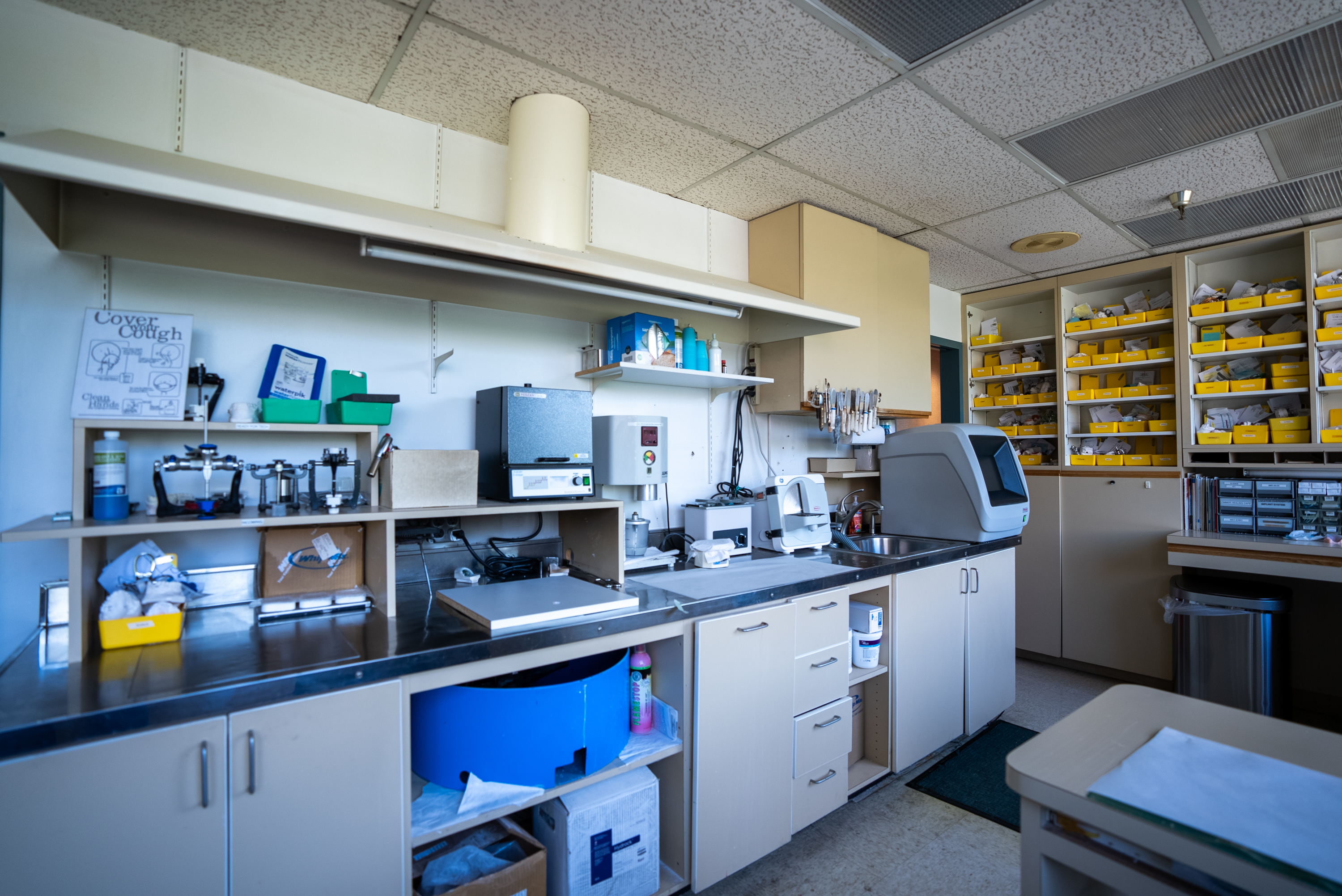
The final restoration is custom fabricated in our dental laboratory specifically for your implant and bite. This process typically takes two to four weeks. Your restoration is designed to match your natural teeth in color, shape, and contour while providing optimal bite alignment.
Once your restoration is complete, it is cemented or screwed onto the abutment. You now have your fully functional, permanent tooth replacement. Your implant is now in service and ready for normal chewing and function.
Timeline Examples
Realistic Timeline Examples for Bethesda Implant Cases
Here are examples of typical timelines for common scenarios at our Bethesda practice. Your specific timeline will be provided during your consultation with our prosthodontist.
Single Implant, No Bone Grafting
Estimated Total: 5-7 months
- Consultation and planning: 1-2 weeks
- Implant placement: 1 day
- Osseointegration (lower jaw): 3-4 months OR (upper jaw): 4-6 months
- Abutment and restoration: 3-4 weeks
Single Implant with Bone Grafting
Estimated Total: 9-12 months
- Consultation and planning: 1-2 weeks
- Bone grafting: 1 day
- Bone graft healing and maturation: 4-6 months
- Implant placement: 1 day
- Osseointegration: 3-6 months
- Abutment and restoration: 3-4 weeks
Multiple Implants (2-3), No Grafting
Estimated Total: 6-8 months
- Consultation and planning: 1-2 weeks
- Implant placement: 1 day
- Osseointegration: 3-6 months
- Abutment and restoration: 3-4 weeks
Full Arch Restoration (4-6 implants)
Estimated Total: 7-10 months
- Consultation and planning: 1-2 weeks
- Tooth extraction (if needed): 4-6 weeks healing
- Implant placement (multiple): 1 day
- Osseointegration: 4-6 months
- Abutment and restoration: 4-6 weeks
Timeline Variables
Factors That Affect Your Bethesda Implant Timeline
Bone Grafting Requirements
Bone grafting is the single biggest factor that extends the implant timeline. Bone grafts require four to nine months to mature before implant placement can proceed. If you require bone grafting, expect your overall timeline to extend by four to nine months compared to a patient with adequate bone.
Number of Implants
Single implants follow a straightforward timeline. Multiple implants or full arch cases may require coordinated surgical planning and more complex restoration fabrication. While the surgical placement may take longer with multiple implants, the overall timeline (from consultation to final restoration) is relatively similar to single implant cases.
Tooth Extractions
If teeth need to be extracted before implant placement, healing time is required. Simple extractions heal in four to six weeks. Complex or surgical extractions may require additional healing time. This can add four to eight weeks to the overall timeline.
Bone Density and Quality
Patients with dense, healthy bone typically achieve osseointegration in three to four months (particularly in the lower jaw). Patients with softer bone may require five to six months for complete integration. Bone quality is determined during your consultation and helps predict your specific timeline.
Healing Capacity
Individual healing capacity varies. Factors such as age, overall health, smoking status, and diabetes control affect healing speed. Patients with excellent health and optimal healing typically have shorter timelines. Certain conditions may extend healing requirements.
Gum Health Requirements
Active gum disease must be treated before implant placement. If gum treatment is needed, this can add two to four weeks to the timeline. Patients with healthy gums proceed directly to implant placement.
Restoration Complexity
The complexity of your final restoration affects the fabrication timeline. A single crown typically takes two to three weeks. A full arch fixed bridge or implant-supported denture with precise custom fabrication may require four to six weeks. More complex restorations require more careful laboratory work.
Implant Loading Approach
Most cases use conventional loading, where the implant heals unloaded for three to six months before restoration. In carefully selected cases with excellent bone quality and primary implant stability, immediate or early loading may be possible, potentially shortening the timeline by one to two months. Ask our prosthodontist whether your case is suitable for accelerated loading.
Understand Your Specific Timeline
Your exact timeline depends on your individual case. Learn about candidacy assessment, explore costs and financing options, and understand your treatment path. Schedule a consultation to receive a detailed treatment plan with a timeline specific to your situation.
Request Your ConsultationCommon Questions
Frequently Asked Questions About Implant Timeline
For detailed information on implant healing phases and osseointegration science, consult resources from the American Academy of Implant Dentistry and American College of Prosthodontists, leaders in evidence-based implant dentistry.
Can dental implants be placed in one day?
While the surgical placement of an implant does occur in one appointment, the complete implant process takes much longer. The implant must integrate with bone (osseointegration) for three to six months before the restoration is fabricated. This waiting period cannot be shortened and is essential for long-term success. Immediate loading techniques are available in select cases, but even these require a healing period. Expect the complete process to take at least four to eight months in most cases.
Why does the implant healing process take so long?
The lengthy healing process is a biological necessity, not a limitation. When an implant is placed, bone must grow into contact with the implant surface in a process called osseointegration. This process takes three to six months. During this time, the implant cannot be loaded with significant force or it risks failure. Allowing proper osseointegration ensures that the implant will integrate with bone and remain stable for decades. Rushing this process compromises long-term success.
Will I have temporary teeth during the implant process?
Temporary solutions are often available during the implant process. If you are missing front teeth, we can provide a temporary denture or flipper tooth to maintain your appearance during healing. For back teeth, temporary replacement may be optional. For full arch cases, fixed temporary bridges can often be provided. Discuss temporary tooth replacement options during your consultation.