
Understanding Bone Loss After Tooth Loss
When you lose a tooth, you lose more than just the visible part. The tooth root, which extends deep into your jawbone, plays a critical role in maintaining bone density and structure. Without this stimulation from the tooth root, your jawbone begins to resorb, or shrink away. This process is natural but accelerates over time, potentially affecting your appearance, ability to eat and speak, and your candidacy for dental implants.
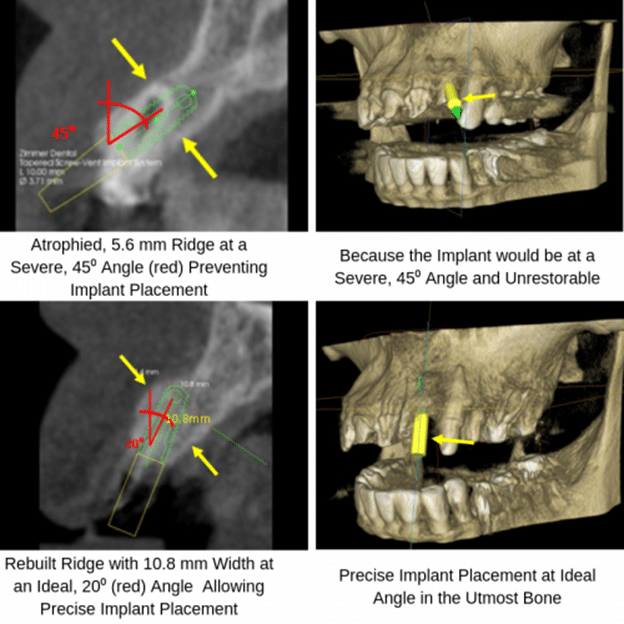
At Elite Prosthetic Dentistry in Bethesda, we understand the complex relationship between tooth loss and bone loss. Our specialist prosthodontist has successfully placed over 3,900 dental implants with a 97% success rate, and we frequently work with patients facing significant bone loss. We've developed comprehensive strategies to address bone deficiencies and restore both function and appearance.
The Resorption Timeline
Bone loss isn't a slow, gradual process that remains constant over time. The rate of resorption varies significantly depending on individual factors, but research shows dramatic changes occur in the first year after tooth loss. You can lose up to 25% of your bone width in the first year, with continued loss accelerating even more if multiple teeth are missing. After the first year, the resorption rate slows but continues indefinitely. Without replacement of the missing tooth or intervention, you may lose approximately 4mm of bone height every decade.
The severity of resorption depends on numerous factors including your age, bone density, oral hygiene, smoking status, and overall health. Younger patients with dense bone may experience slower resorption, while older patients or those with osteoporosis may see more dramatic changes. This is why immediate implant placement, ideally within months of tooth loss, can significantly preserve bone structure.
How Bone Loss Affects Implant Candidacy
Successful dental implant placement requires adequate bone volume and density. Your implant fixture (the artificial root) needs to be anchored securely into living bone. When bone loss has been severe, there may not be enough bone height, width, or density to support an implant without additional procedures. This is where bone grafting and other augmentation techniques become necessary.
Evaluating Your Bone Structure
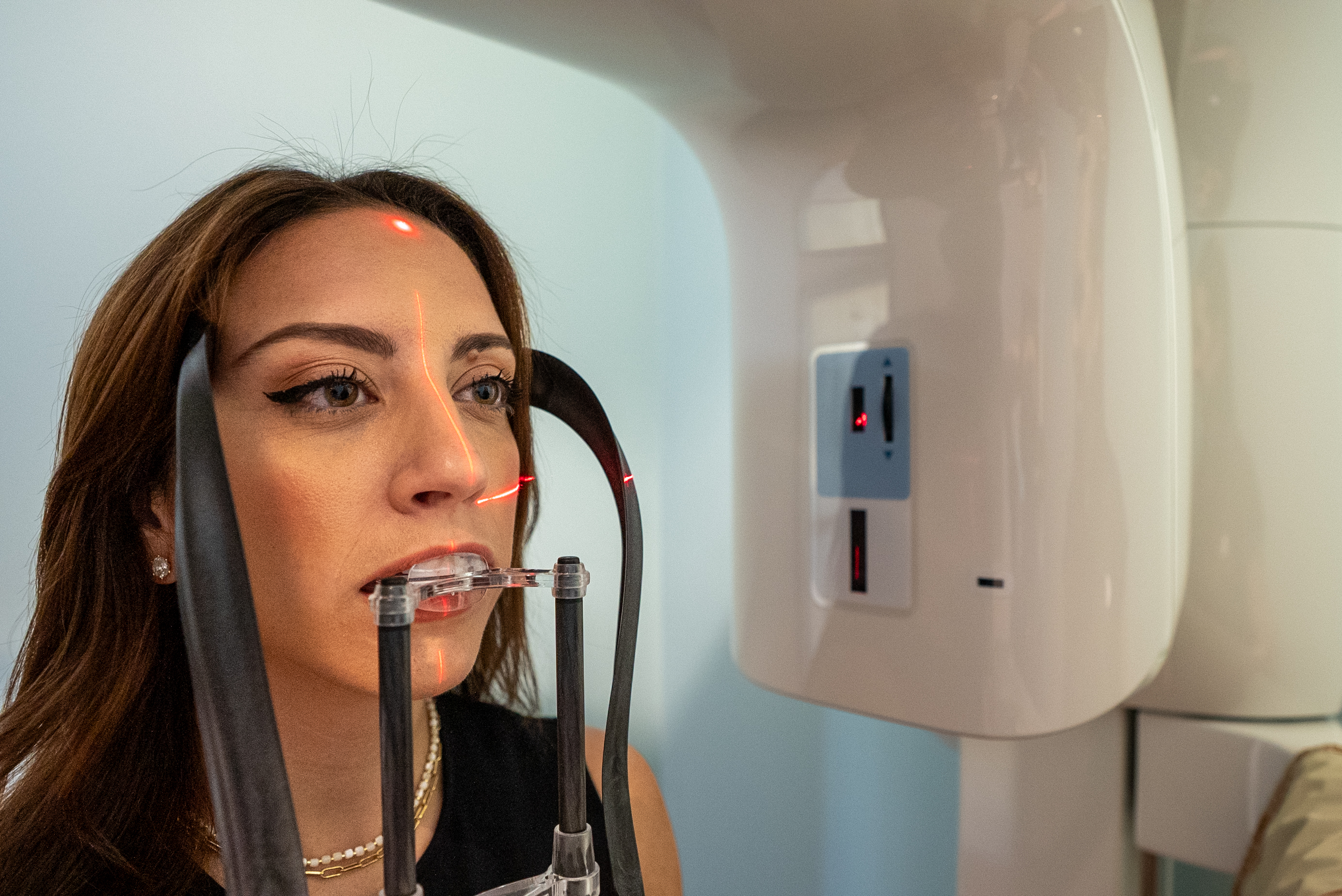
During your consultation at Bethesda Implant Dentistry, we use advanced 3D imaging (cone beam CT scans) to precisely measure your remaining bone. We assess both the height and width of available bone, as well as bone density. This detailed analysis helps us determine whether you're a candidate for standard implant placement or whether you'll need preliminary bone augmentation. Some patients might need bone grafting before implant placement, while others may be candidates for alternative approaches like shorter implants or strategically angled implants.
When Bone Loss Becomes Severe
In cases of severe, long-standing bone loss, standard implant placement may not be possible. However, this doesn't mean you're without options. Advanced techniques and materials now allow us to rebuild bone in ways that were impossible just a decade ago. Even patients with significant bone deficiencies can often be restored to implant candidacy through comprehensive treatment planning.
Bone Grafting Solutions
Bone grafting is a well-established procedure that adds bone material to areas where bone has been lost. There are several types of bone graft materials available, each with specific advantages depending on your situation.
Types of Bone Graft Materials
Autogenous bone (from your own body) is considered the gold standard because it contains living cells that can directly contribute to new bone formation. This bone can be harvested from your jaw, hip, or tibia, though this requires additional surgery. Allogeneic bone comes from a bone bank and is processed to remove cellular material while preserving the mineral structure. Xenogeneic bone is derived from animal sources, typically bovine, and provides an excellent scaffold for your body's own bone cells. Synthetic bone substitutes made from calcium phosphate or other biocompatible materials offer another option without the need for additional harvesting.
Each material has different healing characteristics. Some integrate more quickly, while others provide longer-lasting structure. Our team at Elite Prosthetic Dentistry selects materials based on your specific needs, the size of the defect, and your timeline for implant placement. For more detailed information about bone grafting procedures, visit our dedicated bone grafting page.
Sinus Lift Procedures
When bone loss occurs in the upper jaw, particularly in the back teeth areas, the sinus cavity can extend downward into what was previously bone. A sinus lift procedure raises the sinus membrane and places bone graft material beneath it, allowing the sinus floor to regenerate while creating additional bone height for implant placement. This is a common and highly successful procedure that opens many options for patients who previously thought they weren't candidates for upper implants.
Ridge Augmentation
Ridge augmentation addresses bone loss across the width or height of your jawbone ridge. This might involve placing bone graft material to build up a thin ridge or using membrane technology to guide bone regeneration. Ridge augmentation can often be combined with implant placement in a single appointment, reducing overall treatment time while achieving excellent results.
Advanced Approaches to Complex Cases
Elite Prosthetic Dentistry specializes in handling cases that other practices might consider impossible. Our experience with over 3,900 implant placements means we've encountered and successfully treated nearly every variation of bone loss scenario. When bone loss is severe, we employ multiple strategies in combination.
Distraction Osteogenesis
In cases of extreme bone loss, distraction osteogenesis is a technique where bone is surgically fractured and then gradually separated, stimulating new bone growth. While this requires multiple procedures over several months, it can create significant new bone in situations where grafting alone might not suffice. This approach is particularly valuable when you need to rebuild substantial bone volume.
Strategic Implant Positioning
Sometimes the best solution isn't to augment bone, but to position implants strategically in areas where sufficient bone already exists. All-on-4 technology, for example, uses angled implants positioned in denser bone at the front and sides of the jaw, allowing full-mouth restoration without extensive grafting. This approach works for many patients with moderate bone loss, providing excellent outcomes with simplified treatment.
Related Resources
Understanding bone loss and your treatment options is essential for making informed decisions about your dental health. Our comprehensive resources cover all aspects of implant dentistry. Learn more about how dental implants work, age and implant candidacy, and warning signs of implant problems. You can also explore patient success stories from people who've overcome bone loss challenges, and view our smile gallery to see the remarkable transformations possible.
Your Path Forward
Having significant bone loss doesn't mean your implant dreams are over. With modern bone grafting techniques, advanced surgical planning, and the expertise of a specialist prosthodontist, we can rebuild what was lost and restore your smile. Bethesda's premier implant specialist is ready to evaluate your unique situation and develop a customized treatment plan that achieves your goals.
Related Articles
What Are Dental Implants?
Learn the fundamentals of dental implant technology and why implants are the gold standard for tooth replacement.
Read MoreHow Long Do Dental Implants Last?
Discover implant longevity and the factors that affect how long your implants will function.
Read MoreCaring for Your Dental Implants
Learn daily maintenance and care strategies to ensure your implants last a lifetime.
Read MoreSchedule Your Consultation
Ready to learn more about dental implants and how they can transform your smile? Our specialist prosthodontist serving Bethesda and the surrounding area is ready to help. Call (202) 244-2101 or request a consultation today.
Request Consultation