
Understanding Dental Implant Costs
Dental implant costs vary dramatically depending on numerous factors, and understanding these variables will help you make an informed financial decision. At first glance, implants appear expensive compared to some other tooth replacement options. However, when you consider their longevity, durability, and impact on quality of life, they often represent exceptional value over your lifetime. Our team at Elite Prosthetic Dentistry in Bethesda has been helping patients understand implant investment for decades, and we believe transparency about costs is essential.
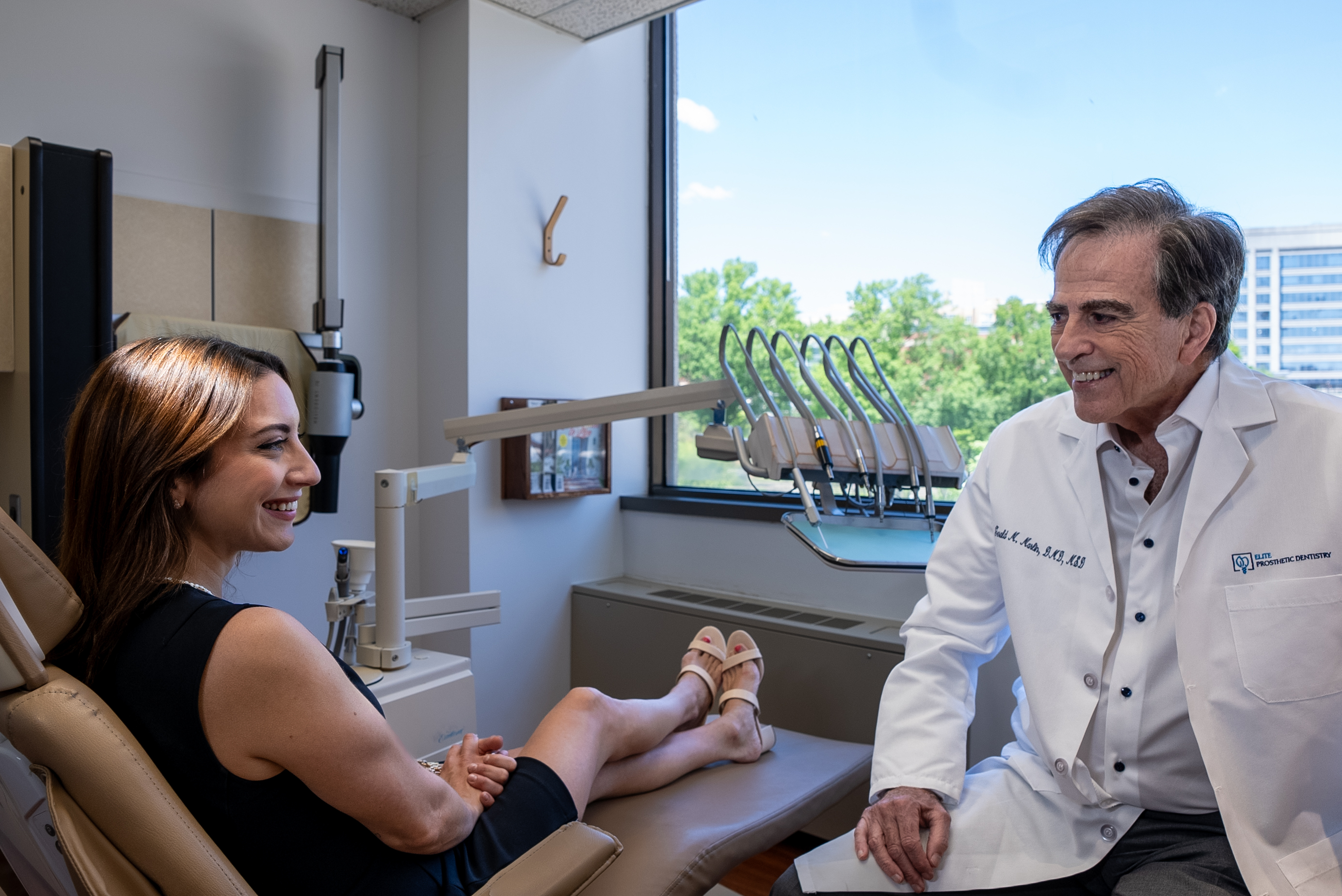
Our specialist prosthodontist has successfully placed over 3,900 dental implants with a 97% success rate. This experience allows us to provide realistic cost estimates and explain exactly what you're paying for. We also offer multiple options and financing solutions to make implants accessible to more patients. Understanding the component breakdown, procedure complexity, and material options helps you see why costs vary so dramatically between practices.
The Three-Component Structure
Every dental implant restoration consists of three distinct components: the implant fixture, the abutment, and the crown. Each component has its own cost, and these costs can vary based on material quality, brand, and customization required. The implant fixture is the artificial root that integrates into your jawbone, usually made of titanium or zirconia. The abutment is the connector piece that joins the fixture to the crown. The crown is the visible tooth-like restoration that functions and looks like a natural tooth.
Cost Variation by Treatment Type
Implant costs vary significantly depending on how many teeth you're replacing and the complexity of your case. Single tooth implants, multiple teeth replacement, and full-mouth reconstruction each have different financial profiles.
Single Tooth Implants
Replacing one tooth typically ranges from $4,000 to $8,000 depending on materials, brand, and any necessary preparatory work. This includes the fixture, abutment, crown, and all surgical placement procedures. A significant portion of this cost goes to the surgical expertise and facility rather than materials. Even if a neighboring tooth has a bridge or other restorative work, implants are frequently preferable because they preserve the integrity of adjacent teeth.
Multiple Tooth Implants
When replacing multiple teeth, costs don't increase proportionally with the number of teeth. Replacing three to four teeth might cost $12,000 to $20,000 total, or roughly $3,000 to $5,000 per tooth, a savings compared to individual teeth. Replacing a full arch of teeth typically costs $25,000 to $50,000 or more, but represents exceptional value when you consider that each tooth costs less than single tooth replacement.
Full-Mouth Reconstruction
Full-mouth reconstruction with traditional full-arch implants (6-8 implants per arch) typically ranges from $30,000 to $60,000 for a single arch, with both arches reaching $60,000 to $120,000. All-on-4 technology (four strategically angled implants) offers full-mouth restoration starting around $20,000 to $35,000 per arch, making it a cost-effective option for many patients. The per-tooth cost drops dramatically with full-mouth cases because shared surgical time and efficiency improve with larger cases.
Additional Factors Affecting Cost
Beyond the basic implant structure, several other factors influence your final cost. Bone grafting, material choices, and the expertise of your surgical team all contribute to the total investment.
Bone Grafting and Augmentation
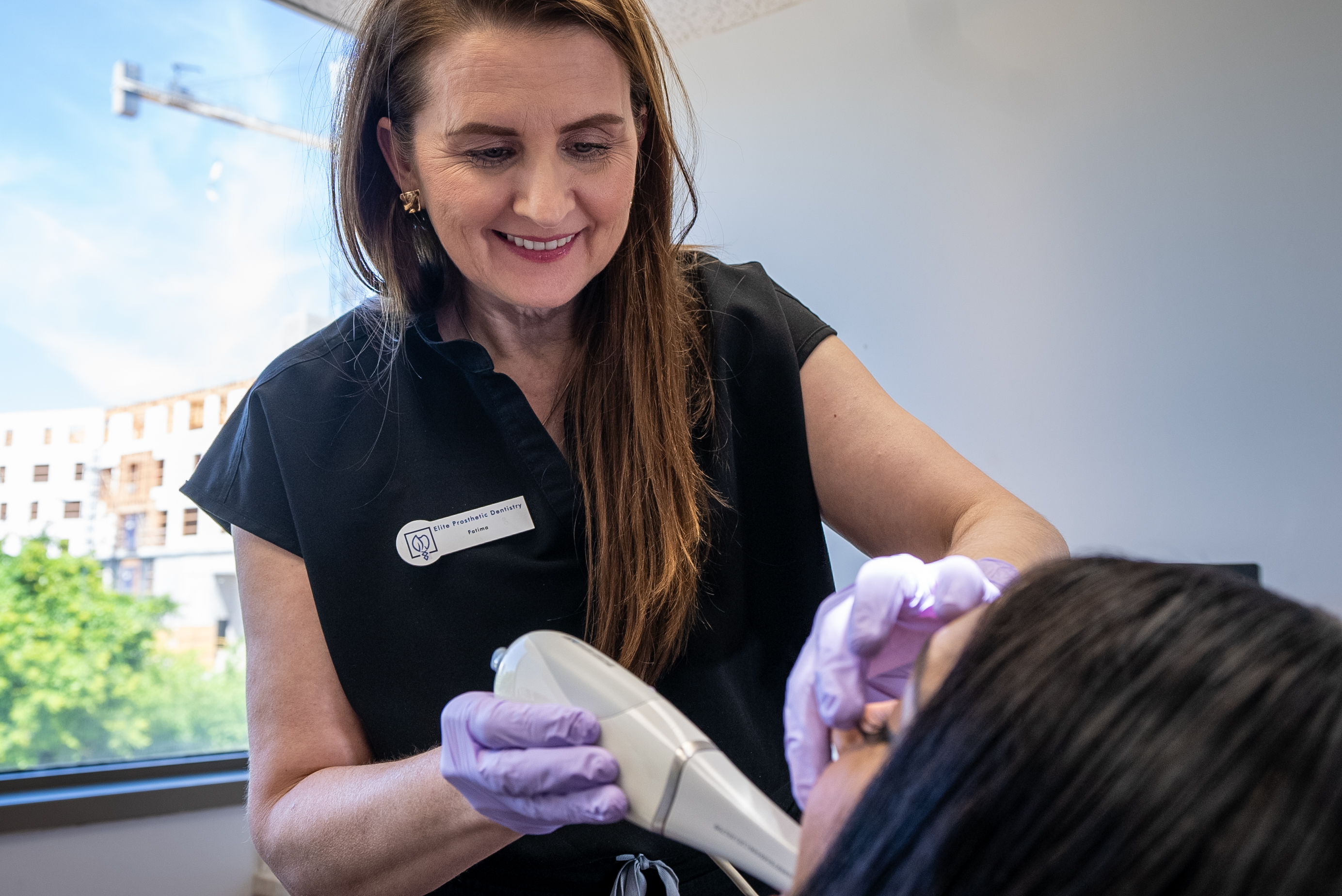
If you have bone loss or insufficient bone at the implant site, bone grafting may be necessary. Bone grafting adds $1,000 to $5,000 per graft depending on the size and material used. Sinus lifts for upper jaw reconstruction add $2,000 to $4,000. Ridge augmentation procedures range from $1,500 to $4,000. While these feel like additional costs, they're absolutely essential for long-term implant success in many cases. Attempting to place implants without adequate bone grafting can result in early failure, which is far more expensive than doing the procedure correctly from the start. For more information, visit our dedicated bone grafting page.
Material Quality and Choices
Implant fixtures can be made from titanium or zirconia, with titanium generally less expensive but equally proven. Abutments can be stock (lower cost) or custom-milled (higher cost but superior esthetics). Crowns can be made from various ceramics, some with superior esthetics, others with superior strength. In-house laboratory work is often less expensive than outsourcing, which is why Elite Prosthetic Dentistry's own lab, operating since 1985, can offer competitive pricing without sacrificing quality. Outsourced lab work adds 2-4 weeks to your timeline and increases costs substantially.
Preparatory Procedures
Tooth extractions, if needed before implant placement, add $300 to $1,500 per tooth depending on complexity. Periodontal treatment to address gum disease may add $1,000 to $3,000. Sinus augmentation, distraction osteogenesis, or other complex grafting procedures can add $2,000 to $10,000 or more. These might seem like additional costs, but they're often preventing much larger problems down the road.
Why Cheap Implants Can Be Expensive
You may have seen implants advertised at surprisingly low prices, sometimes $1,500 to $2,500 for a complete restoration. While these offers might seem attractive, they often represent false economy. Implants placed by less experienced practitioners, using lower-quality materials, or without adequate bone grafting have much higher failure rates. When an implant fails, you've lost your investment entirely and must start over, often facing additional bone loss and higher costs for the replacement.
The True Cost of Failure
When an implant fails within the first five years, you typically lose the entire investment. You then need to address the bone loss that occurred, possibly requiring more extensive grafting than your original case. The replacement implant often costs more because of the more complex situation. Your total cost might be double or triple what a properly placed implant would have cost initially. Our 97% success rate with over 3,900 implants isn't just about your comfort and confidence, it's about protecting your investment.
Specialist Expertise Matters
Choosing a specialist prosthodontist rather than a general dentist for complex cases reduces your failure risk substantially. Specialists have additional training in implant surgery, bone grafting, and complex restoration. They handle more challenging cases daily and develop expertise in problem-solving. The additional cost of seeing a specialist is insurance against failure and the costs associated with it.
Comparing Long-term Value
While implants have a higher upfront cost than some alternatives, comparing their long-term value tells a different story. Bridges require replacement every 10-15 years and cost $3,000 to $5,000 each time. Dentures wear out, need adjustments, and cost $2,000 to $6,000 to replace every 5-10 years. Implants, in contrast, can last 25+ years or a lifetime with proper care, requiring only routine maintenance.
Understanding Implant Investment
While dental implants may cost more upfront than alternatives, their 25+ year lifespan means they often cost less per year than bridges or dentures that require regular replacement. Most patients find implants deliver the best long-term value.
Lifetime Cost Analysis
Consider a 50-year-old replacing one tooth with a $6,000 implant. If they live to 85 and keep that implant 35 years, they've spent about $170 per year on that tooth. Compare that to someone getting a $3,000 bridge who must replace it twice more over their lifetime (total $9,000) plus the cost of replacing the bridge supports when they fail. Or a denture wearer who replaces their denture four times over 35 years. Over a lifetime, implants are almost always the most cost-effective option.
For information on financing your implants, visit our costs and financing page. Learn more about comparing implants to bridge options and understand how insurance and financing work for implant treatment. Finally, learn what a prosthodontist specializes in and why expertise matters for your outcomes.
Related Articles
What Are Dental Implants?
Learn the fundamentals of dental implant technology and why implants are the gold standard for tooth replacement.
Read MoreHow Long Do Dental Implants Last?
Discover implant longevity and the factors that affect how long your implants will function.
Read MoreCaring for Your Dental Implants
Learn daily maintenance and care strategies to ensure your implants last a lifetime.
Read MoreSchedule Your Consultation
Ready to learn more about dental implants and how they can transform your smile? Our specialist prosthodontist serving Bethesda and the surrounding area is ready to help. Call (202) 244-2101 or request a consultation today.
Request Consultation