
The Rarity of Implant Failure
Dental implant failure is uncommon. At Elite Prosthetic Dentistry in Bethesda, our success rate exceeds 97 percent. This means that out of thousands of implants placed, fewer than 3 percent fail. Most Bethesda patients never experience any implant problems. However, understanding the signs and causes of failure helps you protect your investment and seek help quickly if issues arise.
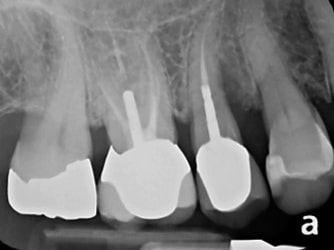
Implant failure can occur in two phases: early failure, which happens during the osseointegration period, or late failure, which occurs after the implant has been functioning successfully. Each has different causes and warning signs. Understanding these differences helps you monitor your implant health effectively.
Early Implant Failure: Causes and Prevention

What Is Early Failure?
Early implant failure occurs within the first three to six months after placement, during the osseointegration period. It means the implant fails to integrate with the bone. This is relatively uncommon but requires understanding to prevent.
Common Causes
Poor bone quality is the most common cause. Insufficient bone density prevents proper osseointegration. Smoking significantly increases early failure risk by impairing bone healing. Uncontrolled diabetes, untreated gum disease, and certain medications also increase risk. Improper implant placement technique, though rare with specialist prosthodontists, can cause early failure. Finally, patient non-compliance with healing instructions contributes to some early failures.
Prevention Strategies
Bone grafting before implant placement strengthens weak bone. Quitting smoking weeks before surgery dramatically improves outcomes. Managing diabetes and treating gum disease optimize healing. Following post-operative instructions precisely protects the healing implant. Our Bethesda specialist evaluates all these factors before implant placement to minimize early failure risk.
Late Implant Failure: Long-Term Complications
What Is Late Failure?
Late implant failure occurs after successful integration, when the implant has been functioning normally for months or years. This is even rarer than early failure and usually indicates a new problem has developed.
Primary Cause: Peri-Implantitis
Peri-implantitis, an infection around the implant similar to gum disease around natural teeth, is the primary cause of late failure. Bacteria colonize around the implant, causing inflammation and bone loss. Poor oral hygiene is the main risk factor. Inadequate flossing and brushing allow harmful bacteria to thrive.
Other Causes
Excessive chewing forces can stress the implant and surrounding bone, leading to failure. Grinding teeth at night can damage the implant. Traumatic injury to the area can compromise the implant. Smoking after implant placement increases failure risk. Continued or recurrent gum disease threatens implant stability.
Warning Signs of Implant Problems
Early Warning Signs
Excessive pain or discomfort that worsens rather than improves during healing suggests problems. Persistent swelling beyond the expected healing period may indicate infection. Fever or signs of systemic infection require immediate attention. Implant mobility, where the implant moves or feels loose, suggests integration failure.
Late-Stage Warning Signs
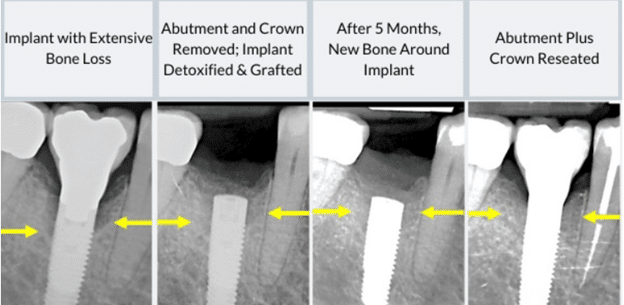
Bleeding or pus around the implant indicates infection. Increased mobility of the implant suggests bone loss. Unexplained discomfort around the implant warrants evaluation. Visible bone loss around the implant on X-rays needs prompt attention. Pain when chewing may indicate excessive loading or osseointegration failure.
When to Contact Your Dentist
Contact your dentist immediately if you experience any of these warning signs. Early intervention often prevents complications. Our office monitors all patients closely and catches problems before they become serious. Never ignore potential implant problems, as early treatment prevents failure in most cases.
Prevention: Your Best Defense
Excellent Oral Hygiene
Daily brushing with a soft toothbrush and flossing remain your most powerful tools for preventing implant problems. Implants cannot develop decay, but the bone supporting them is vulnerable to infection. Maintain meticulous hygiene.
Professional Monitoring
Regular dental check-ups allow early detection of any problems. Professional cleanings remove buildup that contributes to infection. Our office recommends check-ups every six months for implant patients.
Healthy Lifestyle Choices
Don't smoke. Quit smoking if you currently do, as it dramatically increases failure risk. Manage diabetes and other health conditions. Limit alcohol. These choices protect your implant.
Protective Habits
Avoid grinding teeth or clenching. If you grind, wear a night guard. Don't chew ice, hard candy, or bone. Avoid using your teeth as tools. These simple habits prevent trauma to your implant.
What Happens If An Implant Fails?
If your implant does fail, replacement is usually possible. The failed implant is removed, any infection is treated, and bone is allowed to heal. After several months, a new implant can often be placed. Most patients who experience one failed implant go on to have successful replacement implants. Failure of one implant doesn't mean implants won't work for you. Your dentist will identify what caused the original failure and adjust the approach for replacement.
Related Articles
Smoking and Dental Implants
Understand how smoking affects implant success and healing.
Read MoreCaring for Your Dental Implants
Learn daily maintenance strategies to prevent implant problems and ensure long-term success.
Read MoreBone Loss and Dental Implants
Understand bone loss and how it affects implant placement and success.
Read MoreMonitor Your Implant Health
Regular check-ups are crucial for catching any problems early. Our specialist prosthodontist serving Bethesda monitors implant health closely. Call (202) 244-2101 or request a consultation for your implant check-up.
Schedule Check-Up