
Dental Implant Materials: A Comparison
Dental implant material is a critical factor affecting implant success, longevity, and esthetic outcomes. For over six decades, titanium has been the gold standard implant material, with more research supporting its success than any other material. In recent years, zirconia has emerged as a ceramic alternative, promoted by some practitioners as superior for esthetic applications. Understanding the properties, advantages, and limitations of each material helps patients make informed decisions about their treatment.
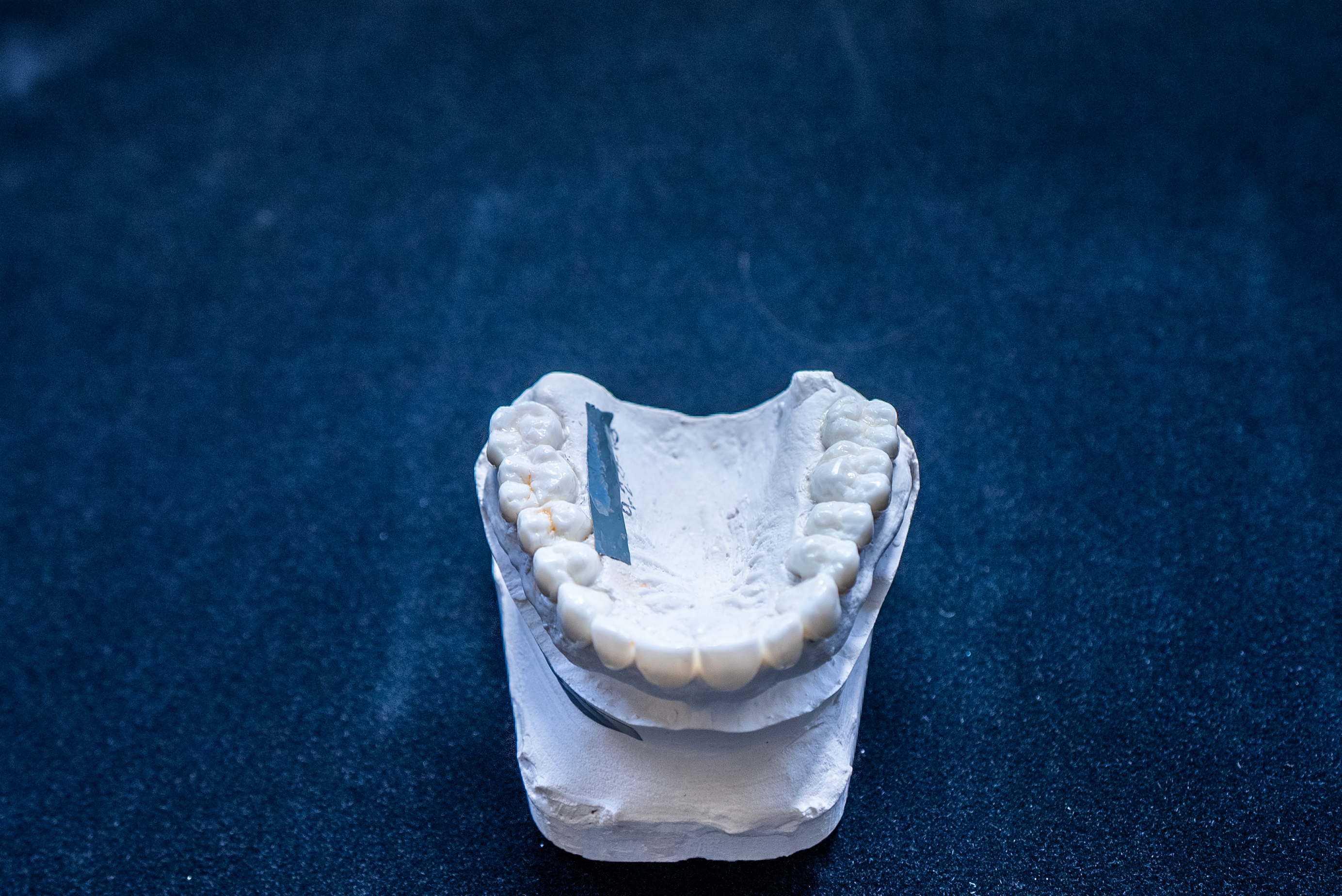
Elite Prosthetic Dentistry in Bethesda provides expert dental implant care using both titanium and zirconia when appropriate. Our specialist prosthodontist has successfully placed over 3,900 implants with a 97% success rate, bringing extensive clinical experience to implant material selection. We discuss both options with each patient, helping them understand which material best serves their specific clinical situation and goals.
Titanium Implants: The Time-Tested Standard
History and Track Record
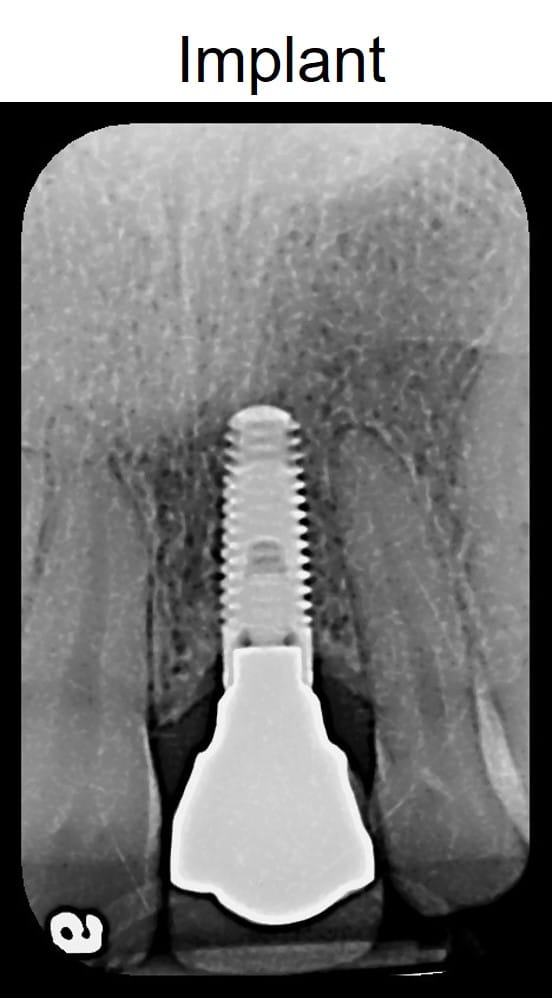
Titanium implants have a remarkable history. The first successful osseointegrated implant was placed in a patient in 1965, and that implant functioned successfully for over 40 years. Since then, countless millions of titanium implants have been successfully placed worldwide. Rigorous scientific studies spanning over 50 years confirm that quality titanium implants achieve success rates exceeding 95 percent over 20+ years. No other implant material has comparable long-term evidence.
Titanium Grades and Alloys
Not all titanium is identical. Commercially pure titanium includes four grades, with Grade 4 being the hardest and strongest. Most implants use Grade 4 titanium or titanium alloys, particularly titanium-6 aluminum-4 vanadium (Ti-6Al-4V). These materials demonstrate optimal properties for implant applications, balancing strength with biocompatibility. The specific titanium grade affects implant mechanical properties and clinical performance.
Osseointegration Excellence
Titanium's capacity for osseointegration is unparalleled. When titanium contacts bone, a chemical bond forms between the implant surface and bone mineral. This direct bone-to-implant contact, osseointegration, creates implant stability and support that cannot be achieved by any other mechanism. Zirconia and other ceramic implants must rely on mechanical engagement rather than true chemical osseointegration, a significant biological disadvantage.
Zirconia Implants: A Newer Alternative
Material Characteristics
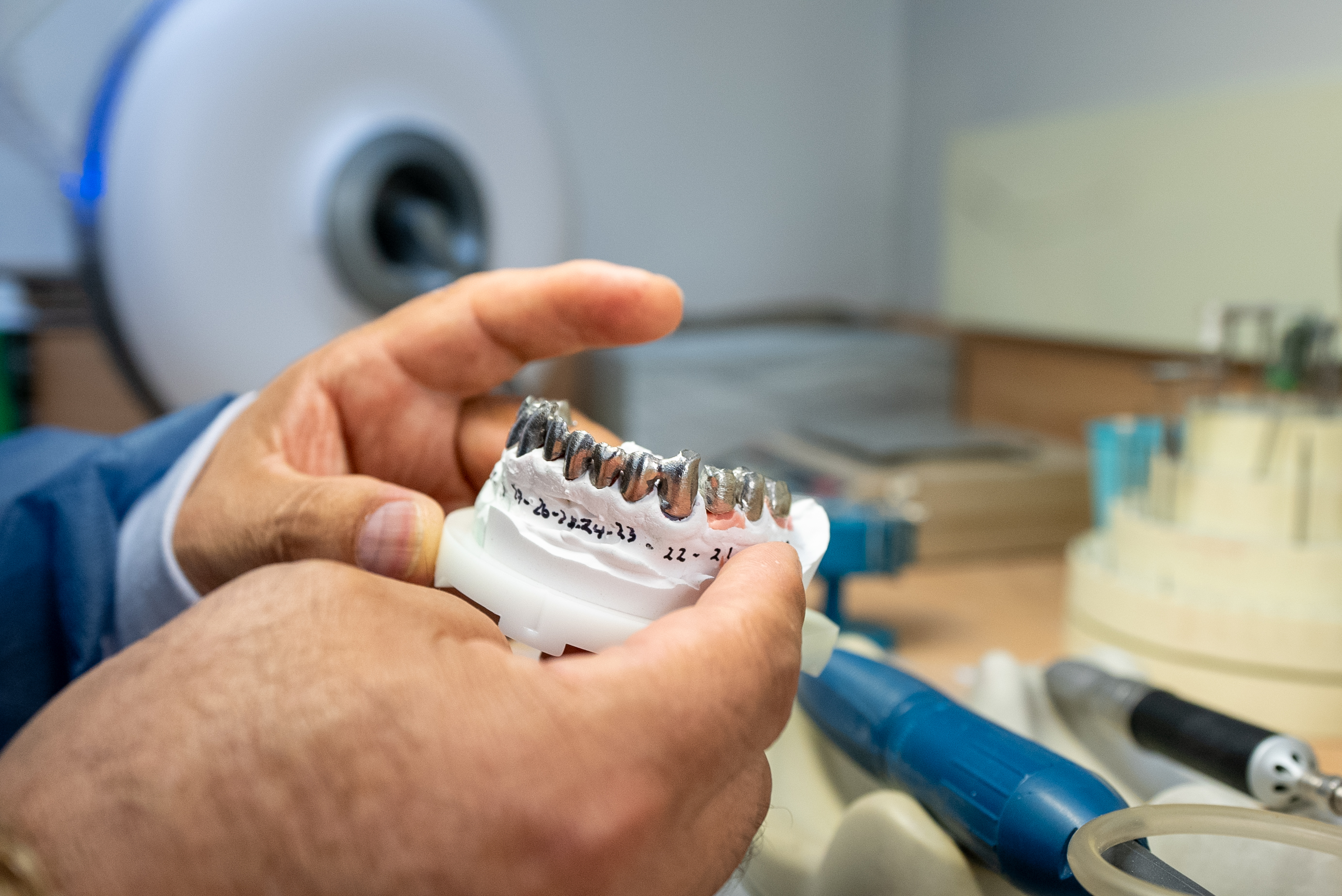
Zirconia, a ceramic material, is white or off-white in color, eliminating the gray color of titanium implants visible through thin gum tissue. Zirconia implants market themselves primarily on esthetic grounds, claiming superior appearance for patients with high lip lines or thin gingival tissue. Zirconia is a single-piece implant design, meaning the implant body and abutment are one unit, unlike titanium implants which typically have separate components.
Biocompatibility Considerations
Zirconia has excellent biocompatibility, with no toxic effects observed clinically. The material does not cause allergic reactions. Theoretically, zirconia's superior esthetics and biocompatibility would make it ideal. However, theory and clinical practice sometimes diverge.
Limited Long-Term Evidence
Zirconia implants have been available for approximately 20 years, far shorter than titanium. Most clinical studies follow patients for 5 to 10 years. While short-term data is promising, long-term success rates comparable to titanium's 50+ year track record simply do not exist. The unknown element of how zirconia implants will perform over 20 to 30 years represents significant uncertainty.
Mechanical Properties and Clinical Implications
Titanium's Flexibility Advantage
Titanium is more flexible than zirconia, distributing mechanical stresses more evenly to surrounding bone. This flexibility protects bone from stress concentration. Zirconia is stiffer and more brittle, potentially creating stress concentration at the implant-bone interface. This difference becomes clinically significant in posterior regions where chewing forces are highest.
Zirconia's Fracture Risk
Zirconia's brittleness means it can fracture under excessive load. Single-piece zirconia implants have experienced fractures, particularly in posterior regions or in patients who grind their teeth. A fractured zirconia implant is problematic because it cannot be repaired and must be completely removed and replaced. Titanium's greater flexibility provides superior resistance to fracture from chewing forces or grinding.
Surface Characteristics
Modern titanium implants feature treated surfaces with enhanced osseointegration compared to early smooth titanium. Zirconia implants cannot be surface-treated in the same way. This represents another potential disadvantage for zirconia in long-term bone stability.
Metal Allergy Considerations
True titanium allergy is exceedingly rare. Documented cases of genuine allergic reactions to titanium implants are virtually nonexistent in the medical literature. Some practitioners market zirconia implants to patients concerned about metal allergies, claiming titanium causes problems. In reality, titanium allergy is not a legitimate indication for zirconia implants. Patients with documented titanium allergy are extraordinarily uncommon. Zirconia may be appropriate for other reasons, but addressing nonexistent titanium allergy is not a valid clinical justification.
Esthetic Differences and Clinical Reality
White Implant Visibility
Zirconia's primary advertised advantage is its white color, which is invisible through thin gum tissue. Titanium implants show a gray color when gum tissue is thin. This esthetic advantage is real for patients with high smile lines and thin biotypes. However, skilled restorations using titanium implants with proper abutment selection and gum contouring achieve excellent esthetics in most cases. Many cosmetic transformations have been accomplished with titanium implants, proving that material color is not the sole determinant of esthetic success.
Single-Piece Disadvantage
Zirconia implants' single-piece design, while marketed as an advantage, creates clinical disadvantages. If alignment is not perfect, the entire implant and its integral abutment cannot be adjusted like titanium implants with separate components. Screw loosening, a known problem with single-piece designs, cannot be easily corrected. The integral abutment cannot be changed to optimize emergence profile or esthetics after implant placement.
What Elite Prosthetic Dentistry Recommends
Our Bethesda specialist prosthodontist recommends titanium implants for most patients as the evidence-based standard of care. Titanium's proven 50+ year track record, superior mechanical properties, reliable osseointegration, and demonstrated longevity make it the material of choice for predictable long-term success. When esthetic demands require white implants and clinical conditions are optimal, zirconia may be considered. However, zirconia is not a replacement for titanium as the primary implant material. Choosing zirconia primarily for color when excellent esthetic outcomes are achievable with titanium is electing an unproven material when a proven alternative exists.
Learn more about dental implants or schedule a consultation to discuss which implant material is right for your situation.
Related Articles
What Are Dental Implants?
Learn the fundamentals of implant technology and why they're the gold standard for tooth replacement.
Read MoreHow Long Do Dental Implants Last?
Discover implant longevity and what affects how long your implants will function.
Read MoreDental Implant Failure: Signs, Causes, and Prevention
Understand warning signs and how to prevent complications with proper care.
Read MoreSchedule Your Consultation Today
Ready to explore how dental implants can transform your smile? Our specialist prosthodontist serving Bethesda is ready to help. Call (202) 244-2101 or request a consultation.
Request Consultation