
What to Expect During Implant Surgery
Many patients worry that implant surgery will be painful. The good news is that with modern anesthesia and surgical techniques, implant placement is performed under complete anesthesia, meaning you experience no pain during the procedure itself. You'll be completely comfortable throughout your surgery. That said, understanding what pain management looks like before, during, and after your implant placement helps you prepare mentally and physically.
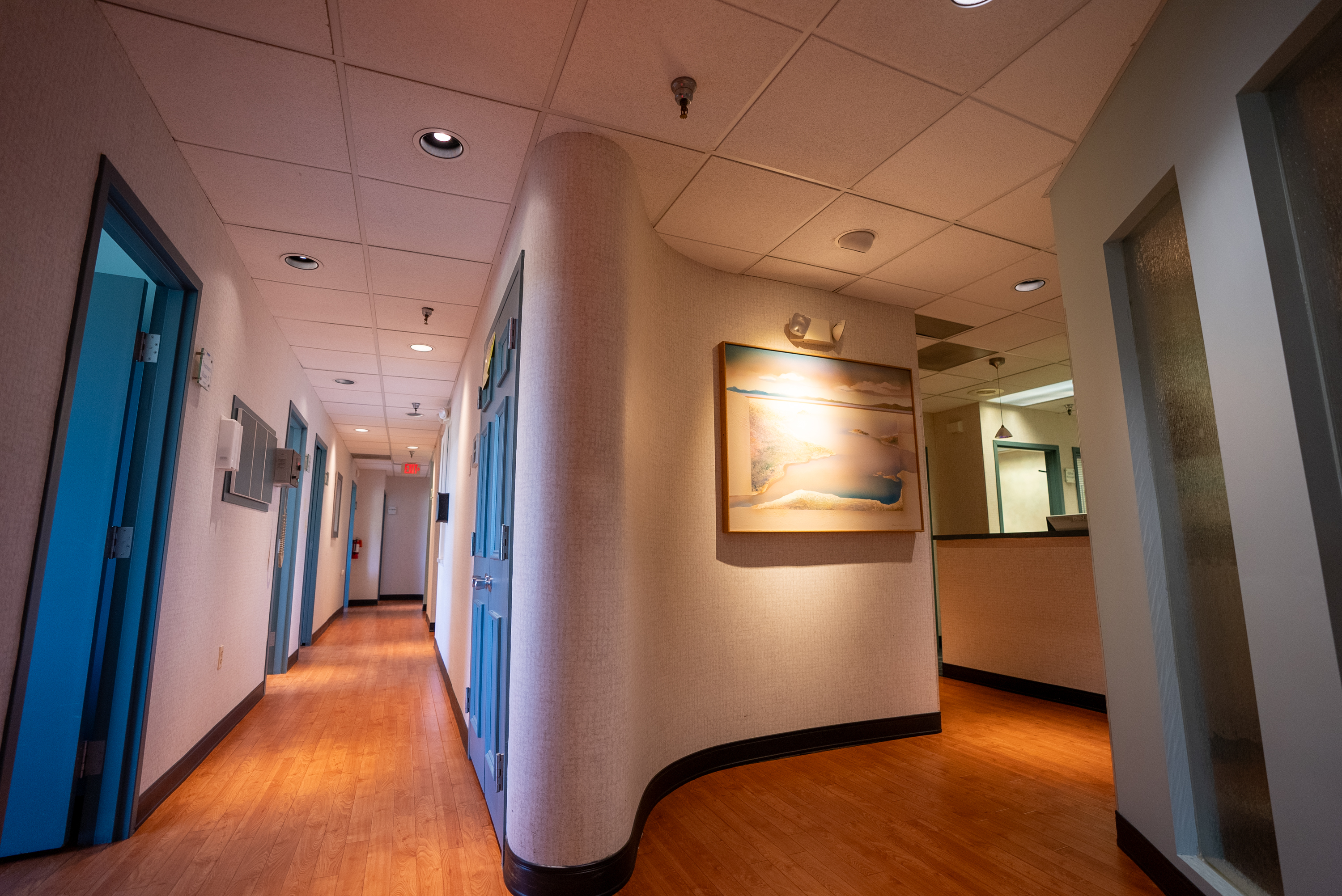
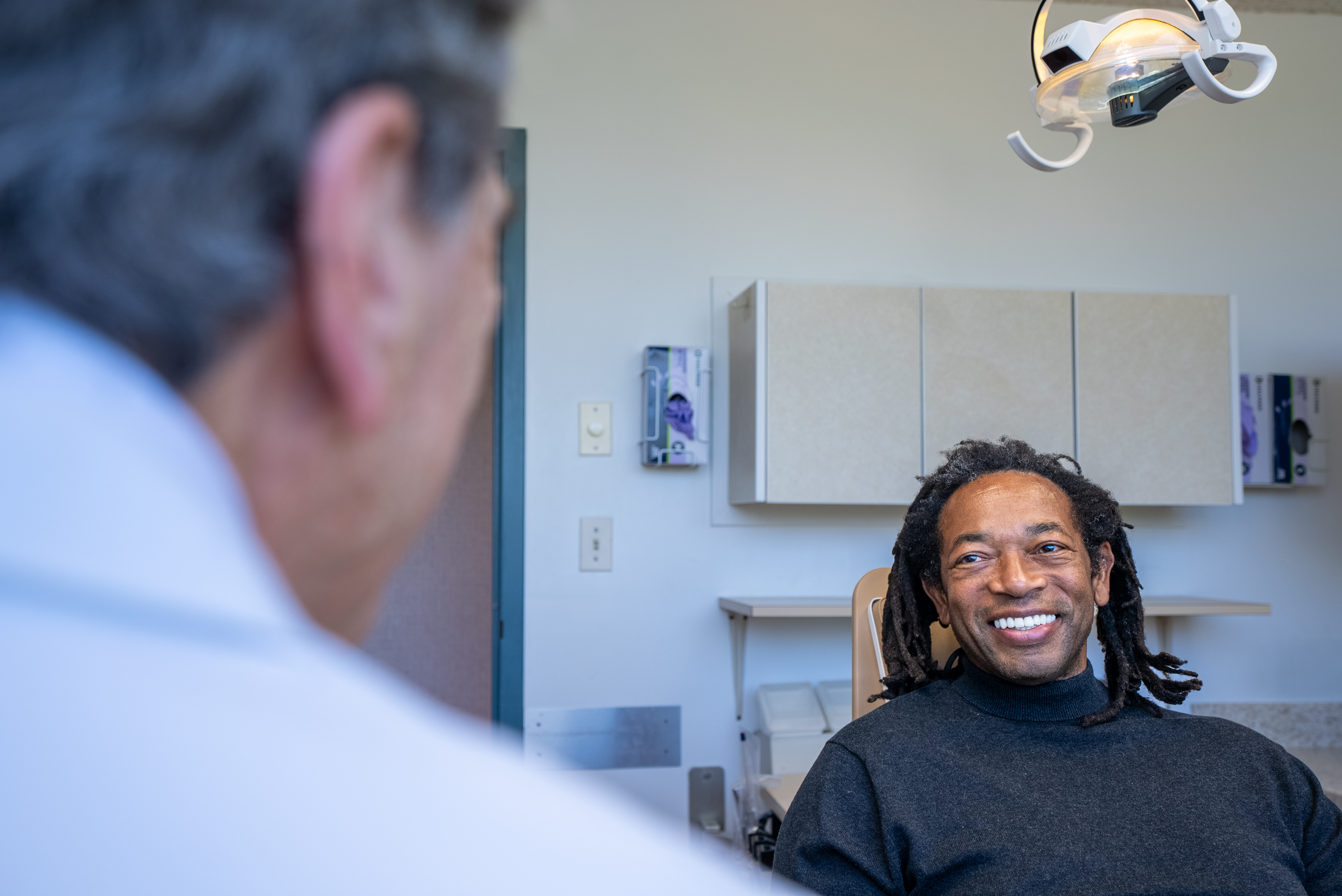
At Elite Prosthetic Dentistry in Bethesda, we've placed over 3,900 dental implants with a 97% success rate, and patient comfort is a core value. Our specialist prosthodontist uses advanced surgical techniques and multiple anesthesia options to ensure you're completely comfortable. From your pre-operative consultation through recovery, we'll guide you through pain management strategies that work.
Anesthesia Options
We offer several anesthesia options depending on your procedure and preferences. Local anesthesia alone numbs the surgical area completely, allowing you to remain awake and aware during the procedure. Many patients find this comforting because they understand what's happening. If you prefer not to be aware, we offer oral sedation or intravenous sedation, allowing you to sleep through the procedure with no memory of it afterward.
IV sedation is particularly popular for anxious patients or those having multiple implants placed. You'll have minimal awareness during the procedure and wake up feeling like no time has passed. A responsible adult must drive you home after IV sedation since the medications affect alertness and coordination for several hours.
Post-Operative Pain Timeline
After your surgery, some discomfort is normal and expected. Understanding the typical pain timeline helps you know what to expect and whether something unusual is occurring.
Immediate Post-Op (First 24 Hours)
Immediately after surgery, your surgical site is numb from anesthesia, so you won't feel much pain. As the anesthesia wears off over the next few hours, you'll begin to feel discomfort at the surgical site. Take your prescribed pain medication before the anesthesia wears off, ideally before you go to bed that evening. This keeps you ahead of the pain curve and makes recovery more comfortable.
Days 2-3: Peak Discomfort
Pain typically peaks on day 2 or day 3 post-operatively. Your body's inflammatory response is at its maximum, and you may experience significant swelling and discomfort. This is completely normal and expected. Continue taking your prescribed pain medication on schedule, use ice packs, and keep your head elevated. Most patients find that pain medication keeps discomfort manageable during this period.
Days 4-7: Declining Pain
By day 4, pain begins to decline as your body's inflammatory response diminishes. Swelling, which peaks around day 3-4, also begins to decrease. By day 7, many patients are off prescription pain medication and managing with over-the-counter options. However, everyone heals at their own pace. If you're still experiencing significant pain at day 7, this might indicate a problem that requires evaluation.
Week 2 and Beyond
By the end of the first week, most patients have minimal pain and are returning to normal activities. Some minor discomfort or sensitivity may persist for 1-2 weeks, but this is minimal. If you're experiencing significant pain weeks after surgery, contact us immediately as this may indicate complications like infection.
Pain Medication Management
We prescribe medications specifically chosen to manage dental implant post-operative pain effectively. Taking medications correctly and understanding your options helps you stay comfortable.
Pain Management at a Glance
Most patients report that dental implant surgery is less painful than expected. Post-operative discomfort typically peaks at 48 hours and resolves within 5-7 days with prescribed or over-the-counter medication.
Prescription Medications
For most single implants or straightforward cases, we prescribe ibuprofen (600mg) or naproxen as your primary pain medication. These NSAID medications are excellent for dental pain, reduce inflammation naturally, and are safer for long-term use than opioids. Take these medications exactly as prescribed, every 6-8 hours as needed for pain, with food to prevent stomach upset.
For more complex cases or multiple implants, we may prescribe a stronger medication like acetaminophen with hydrocodone. These medications are very effective for pain but should be taken only when necessary and exactly as prescribed. Never exceed the recommended dosage. These medications can cause drowsiness, so don't drive while taking them.
Over-the-Counter Options
Once you're no longer taking prescription pain medication, over-the-counter ibuprofen or acetaminophen handles residual discomfort effectively. Most patients find they need pain medication only for the first 5-7 days after surgery. By day 7-10, many patients are managing with occasional over-the-counter medication or no medication at all.
Cold Therapy and Other Comfort Measures
Beyond medication, several strategies significantly reduce pain and swelling during recovery.
Ice Packs: First 48 Hours
Apply ice packs to the outside of your face over the surgical site for 15-20 minutes, then remove for 20-30 minutes. Continue this cycle for the first 24-48 hours after surgery. Ice constricts blood vessels, reducing inflammation and pain. After 48 hours, ice becomes less effective as the acute inflammatory phase passes, and heat may become more comfortable.
Heat Therapy: After Day 3
After day 3 when acute swelling has decreased, moist heat (warm compress or warm salt water rinses) becomes more comfortable. Heat increases blood flow, promoting healing. However, don't use heat during the first 48 hours when swelling is occurring, as it will increase swelling and pain.
Elevation and Rest
Keep your head elevated, even while sleeping. Use extra pillows to position your head higher than your body, which reduces swelling. Swelling causes pain, so reducing swelling reduces pain. Additionally, get adequate rest. Your body needs sleep to heal, and fatigue lowers pain tolerance. Plan to take it easy for the first few days, avoiding strenuous activity.
Dietary Modifications for Pain Management
What you eat during recovery affects both pain and healing. A soft diet that requires minimal chewing allows your surgical site to rest while still providing good nutrition.
First Week Foods
Stick to soft foods for the first week: yogurt, soup, applesauce, mashed potatoes, smoothies, scrambled eggs, and oatmeal. Avoid hot foods and drinks immediately after surgery, as heat can increase swelling and cause discomfort. Lukewarm or cold foods are more comfortable. Stay well-hydrated, as hydration supports healing. Avoid straws for the first week, as the suction can dislodge blood clots.
Nutritional Support for Healing
Good nutrition accelerates healing and reduces complications. Protein is essential for tissue healing. Include protein in every meal: eggs, Greek yogurt, soft cheese, smoothies with protein powder, or ground meat in soft meals. Vitamin C supports collagen formation and immune function. Zinc supports wound healing. While you don't need supplements if your diet is good, a multivitamin during recovery supports healing.
When Pain Is Not Normal
Most post-operative pain follows the expected timeline outlined above. Certain pain patterns warrant immediate evaluation because they may indicate complications.
Severe Pain Not Controlled by Medication
If your pain is severe and not controlled by prescribed medication, contact us immediately. This could indicate infection, dry socket (if you had teeth extracted), or other complications requiring treatment. Don't just take more medication. Call our office.
Pain Increasing After Day 3
Pain should decrease after day 3. If your pain is worsening after this point, this is unusual and requires evaluation. This pattern might indicate infection or other problems that need professional assessment.
Fever or Signs of Infection
Some mild fever (under 101 degrees F) is normal for 24-48 hours after surgery as your body responds to the surgical trauma. However, fever above 101 degrees F, fever lasting more than 3-4 days, increasing swelling, pus drainage, or redness suggests infection. Contact us immediately if you develop any of these signs. Early antibiotic treatment prevents serious infections.
Managing Anxiety Before Surgery
Anxiety before surgery is normal. High anxiety can actually increase pain perception and slow healing. Managing your anxiety improves your entire experience.
Our Comfort Approach
At Bethesda Implant Dentistry, we understand that anxiety affects surgery and recovery. We take time to explain everything thoroughly, answer all your questions, and help you feel in control of your experience. We use sedation options to reduce awareness if that helps you, and our team members are trained to be reassuring and supportive. Many anxious patients find that once they've experienced the procedure, they regret worrying because it went much better than expected.
Pre-Operative Relaxation
In the days before your surgery, practice relaxation techniques: deep breathing, meditation, or gentle exercise. Avoid excessive caffeine, which increases anxiety. Get adequate sleep the night before. Arrange for someone to drive you home so you don't have to worry about driving, which helps you relax during your appointment.
Learn more about what to expect during implant treatment, explore our comprehensive recovery guide, and read about how to prepare for your consultation. You can also explore immediate implant placement options and view our patient success stories from people who've had excellent experiences with implant surgery.
Related Articles
What Are Dental Implants?
Learn the fundamentals of implant technology and why they're the gold standard for tooth replacement.
Read MoreHow Long Do Dental Implants Last?
Discover implant longevity and what affects how long your implants will function.
Read MoreCaring for Your Dental Implants
Learn maintenance and care strategies for long-term implant success.
Read MoreSchedule Your Consultation
Ready to learn more about dental implants? Our specialist prosthodontist serving Bethesda is ready to help. Call (202) 244-2101 or request a consultation.
Request Consultation