
Timeline: What to Expect Week by Week
Dental implant recovery is surprisingly quick for most patients. While the complete osseointegration process takes several months, the acute recovery period is brief. Most Bethesda patients return to normal activities within days. Understanding what to expect during each phase helps you prepare mentally and physically for the process ahead.
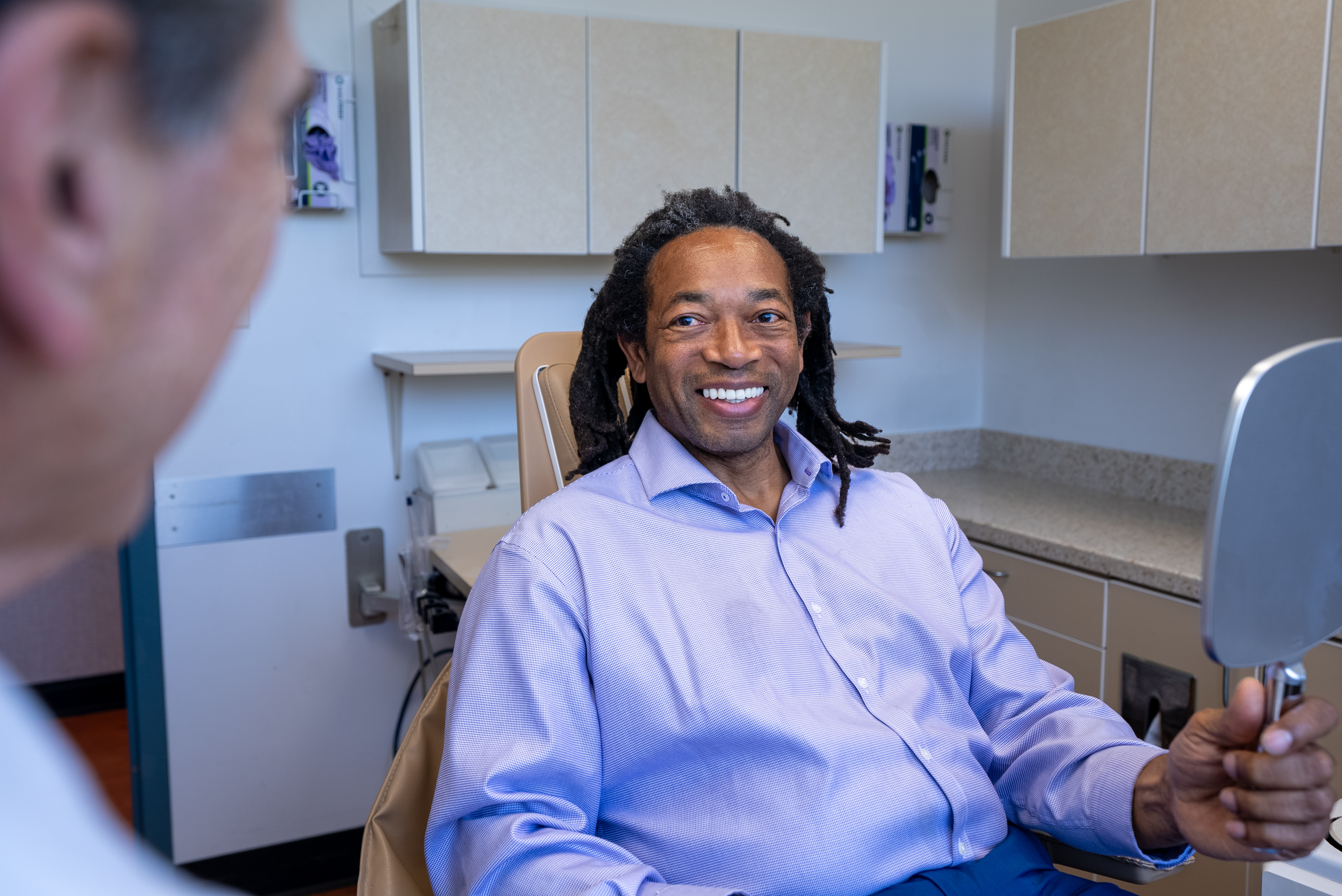
The recovery timeline varies slightly depending on bone quality, implant location, and whether bone grafting was necessary. Our specialist prosthodontist provides detailed post-operative instructions tailored to your specific situation. By following these guidelines, you'll minimize discomfort and optimize healing outcomes.
The First 24-48 Hours: Initial Recovery

What Happens Immediately After Surgery
Immediately after implant placement, your mouth will be numb from anesthesia. You'll have gauze pads in place to control bleeding. It's normal to experience some oozing for several hours. Your specialist will provide specific instructions for gauze changes. Most patients experience minimal discomfort during this period because anesthesia effects persist.
Pain and Discomfort Management
Most patients report mild to moderate discomfort rather than significant pain. Over-the-counter pain relievers like ibuprofen or acetaminophen usually manage discomfort adequately. Your dentist may prescribe stronger medication if needed. Many patients are surprised how manageable the discomfort is, often describing it as less painful than having a tooth extracted.
Swelling and Bruising
Swelling typically peaks around day two or three. Ice application during the first 24 hours helps minimize swelling. Applying ice for 20 minutes on, 20 minutes off during the first day significantly reduces inflammation. By day three or four, swelling usually begins resolving. Bruising is less common than swelling but may occur depending on surgical complexity.
Days 3-7: Early Healing Phase
Activity Restrictions
During the first week, avoid strenuous exercise and heavy lifting. Light walking is fine, but intense workouts should wait at least a week. This prevents increased blood pressure that could disrupt the implant site. Most Bethesda patients can return to work within a few days, provided their job doesn't involve heavy physical activity.
Eating and Drinking
Stick to soft, cool foods for the first few days. Smoothies, yogurt, ice cream, and soups are excellent choices. Avoid hot foods and drinks initially, as heat can increase inflammation. Never use a straw for at least a week, as suction can disrupt the surgical site. Avoid crunchy, hard, or sticky foods that could irritate the area.
Oral Hygiene
Don't brush or floss the implant site for at least a week. You can gently brush other teeth, being careful around the surgical area. Some dentists recommend a special rinse to keep the area clean without physical contact. Follow your specific post-operative instructions regarding oral care.
Weeks 2-4: Active Healing
Progressive Improvement
By the second week, most discomfort resolves. Swelling continues decreasing. You can gradually return to more normal activities, though you should still avoid intense exercise for at least two more weeks. Your surgeon will provide clearance for increased activity based on your individual healing.
Resuming Normal Eating
As the site heals, you can gradually return to more normal foods. Continue avoiding very hard or crunchy items that could stress the implant site. By week three or four, most patients eat nearly normally, though avoiding the surgical area during chewing is wise.
Follow-Up Appointments
Your dentist will see you for check-ups during this period. These visits monitor healing and ensure no complications are developing. Any concerns can be addressed promptly. Our office schedules follow-up appointments proactively to ensure your optimal recovery.
Months 3-6: Osseointegration Phase
The Healing You Can't See
After acute recovery, the most important healing occurs invisibly. Your bone integrates with the titanium implant through a process called osseointegration. This biological bonding creates an incredibly strong foundation for your final restoration. This phase takes three to six months depending on bone quality and implant location.
Maintaining Normal Activities
By month two or three, you've likely forgotten about the implant entirely. You'll return to all normal activities including exercise. The implant site will feel completely healed. You might occasionally notice the area during eating if you press directly on it, but this sensation fades as osseointegration completes.
Temporary Restoration Options
Some patients receive temporary restoration during osseointegration, while others wait until integration completes. Your dentist discusses which approach best suits your situation. Either way, you maintain the ability to eat and speak normally during this period.
Pain Management Strategies
Over-the-Counter Medications
Ibuprofen is often most effective for implant discomfort as it addresses both pain and inflammation. Acetaminophen works well if you cannot take ibuprofen. Take medication as directed to keep discomfort ahead of pain rather than treating it after it develops. Most patients need medication only for three to five days.
Ice and Heat Application
Ice during the first 24-48 hours reduces swelling and discomfort significantly. After 48 hours, heat may provide comfort. A warm compress can relieve muscle tension and discomfort. Your surgeon provides specific timing recommendations for ice and heat application.
When to Contact Your Dentist
Most post-operative discomfort is normal and expected. However, contact your dentist if pain becomes severe despite medication, if you develop fever, if swelling doesn't decrease after four or five days, or if you notice pus or unusual drainage. These symptoms require prompt evaluation.
Long-Term Care After Recovery
Once your implant fully integrates and your permanent restoration is in place, recovery is complete. Your final tooth requires no special care beyond normal brushing and flossing. Unlike natural teeth, implants cannot develop decay, but the bone supporting them can suffer from gum disease if oral hygiene is neglected. Maintain excellent oral hygiene and regular dental check-ups to ensure your implant lasts for decades. For more information about long-term care, read our guide on caring for dental implants.
Related Articles
Dental Implant Pain Management
Understand what pain to expect and learn effective strategies for managing discomfort.
Read MoreCaring for Your Dental Implants
Learn long-term maintenance and care strategies to keep your implants healthy for decades.
Read MoreWhat to Expect Timeline
Get a complete overview of the entire implant process from consultation through final restoration.
Read MoreSchedule Your Implant Consultation
Ready to learn more about dental implants and recovery? Our specialist prosthodontist serving Bethesda can answer all your questions. Call (202) 244-2101 or request a consultation.
Request Consultation