
Understanding Your Options: Implants and Bridges
When you lose a tooth, you face several options for replacement. Two of the most popular are dental implants and dental bridges. Both can restore your smile and chewing function, but they work in fundamentally different ways. At Elite Prosthetic Dentistry in Bethesda, we help patients understand these options so they can make the best decision for their unique situation.
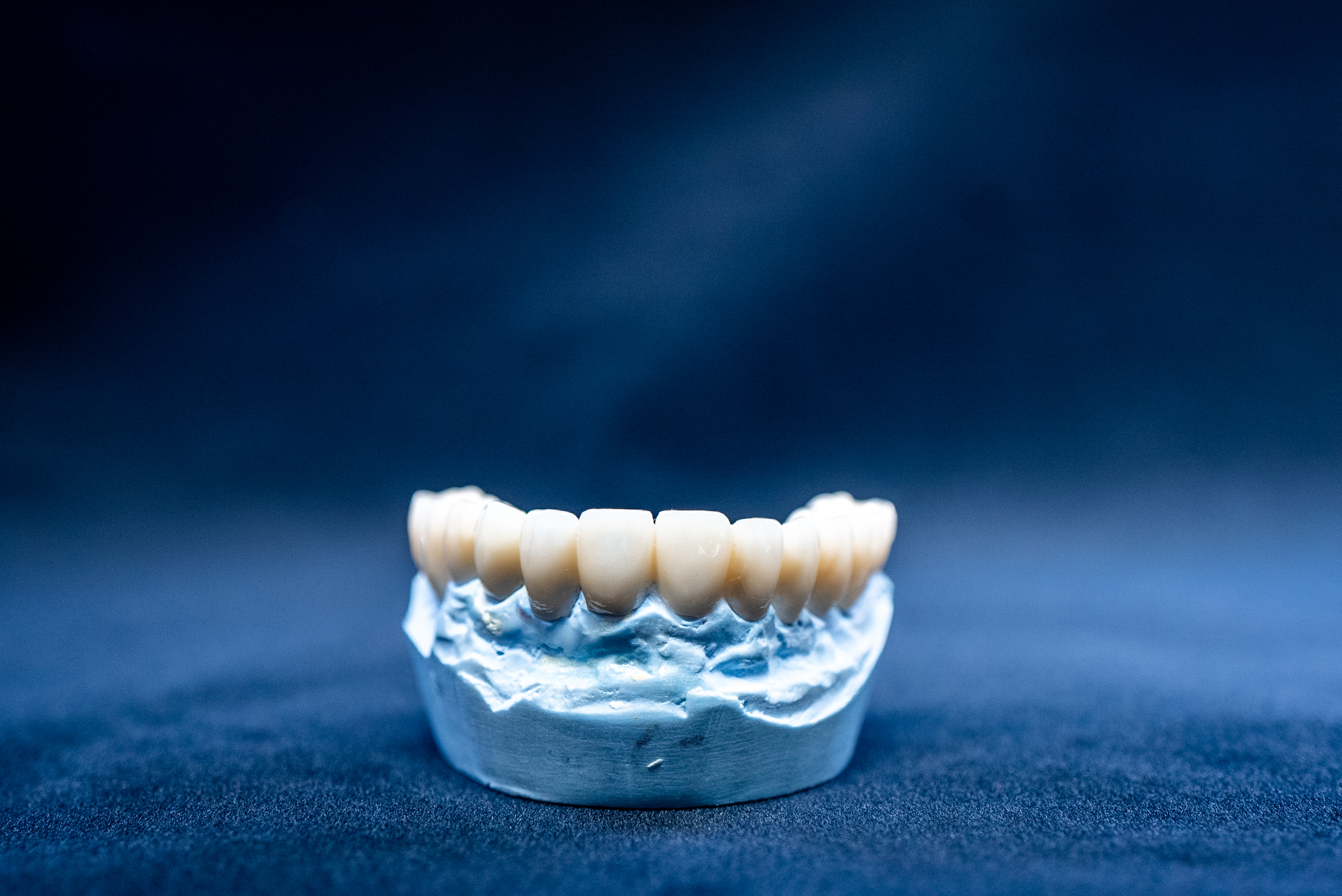
A dental bridge is a prosthetic tooth anchored to adjacent natural teeth. It bridges the gap left by a missing tooth, typically requiring the adjacent teeth to be crowned. A dental implant, by contrast, stands independently. It replaces both the visible tooth and the root, integrating directly into your jawbone. Each option has distinct advantages and considerations that we'll explore in detail.
The Bridge: How It Works
Structure and Placement
A traditional dental bridge consists of one or more artificial teeth anchored by dental crowns placed on the natural teeth on either side of the gap. This design allows the bridge to be supported by your existing teeth, which eliminates the need for surgical placement. The procedure typically requires two appointments: one to prepare the adjacent teeth and one to place the finished bridge.
Immediate Results
One significant advantage of bridges is the timeline. While dental implants require several months for osseointegration, a bridge can often be completed within two weeks. This makes bridges attractive for patients who need tooth replacement quickly. The entire process involves minimal recovery time, and you can return to normal activities immediately after placement.
Preparation and Tooth Structure
To place a bridge, your dentist must first prepare the adjacent teeth by removing a portion of tooth structure to accommodate the crowns. This permanent alteration means the supporting teeth become dependent on the crowns for strength and protection. Once you have a bridge, these teeth cannot be restored to their original state.
The Implant: A Different Approach
Independent Support
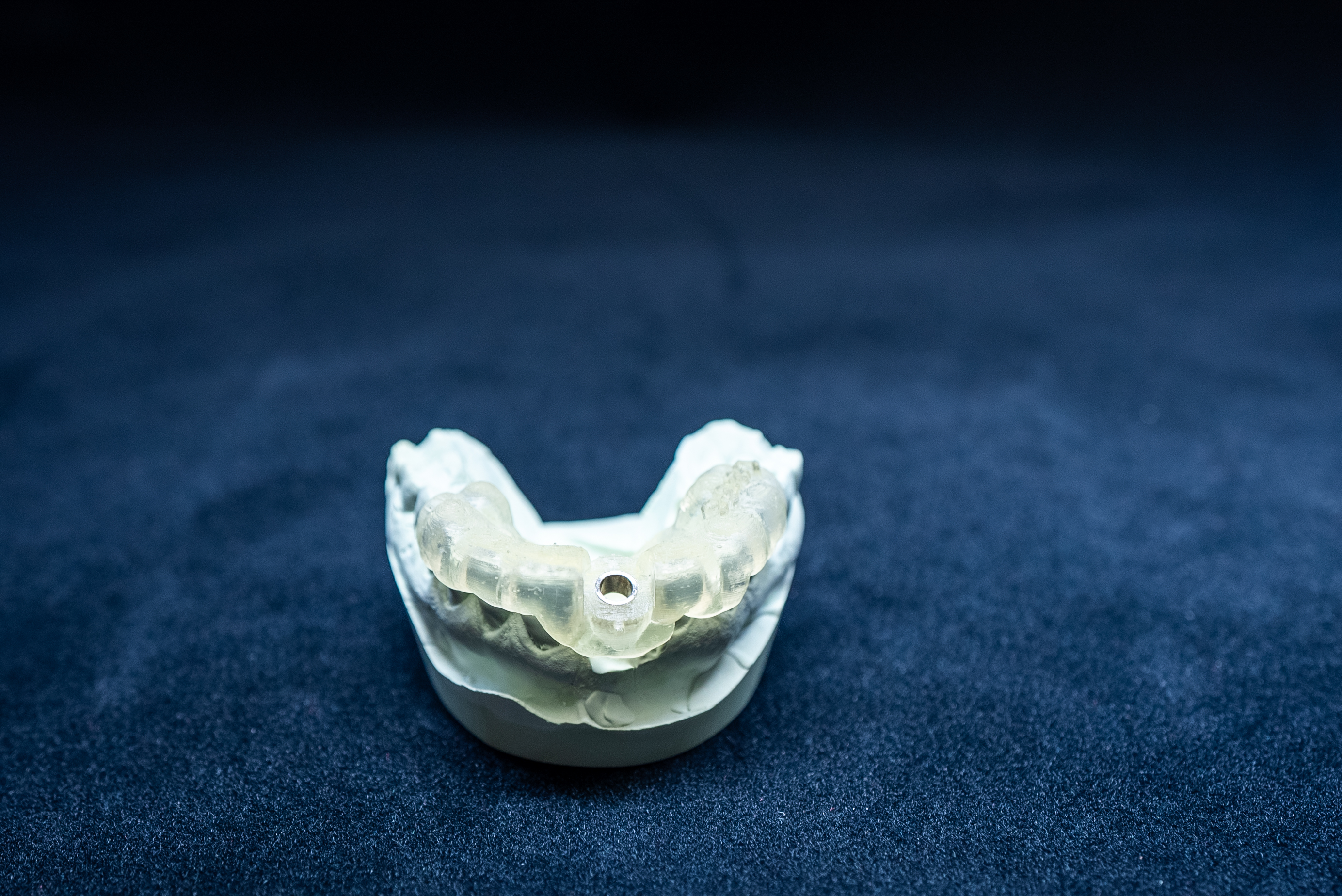
Dental implants offer a fundamentally different approach. Rather than relying on adjacent teeth, an implant replaces the missing tooth's root by anchoring directly into your jawbone. This means your adjacent teeth remain untouched and unaltered. At Elite Prosthetic Dentistry, our specialist prosthodontist places each implant with precision, ensuring optimal integration with your bone.
Longevity and Durability
Because implants integrate with your jawbone, they can last a lifetime with proper care. Many of our Bethesda patients have had implants for 20 plus years with no complications. The titanium implant body resists decay and doesn't require special maintenance beyond normal brushing and flossing. This long-term stability makes implants an excellent investment in your oral health.
Time Consideration
The primary disadvantage of implants is the timeline. The process typically takes four to nine months as your bone integrates with the implant. If bone grafting is needed first, the timeline extends further. For patients who can wait, this investment in time pays dividends in durability and comfort.
Comparison: Longevity and Success
Implant Success Rates
Dental implants have a success rate exceeding 97 percent, among the highest of any dental procedure. With proper care and maintenance, implants often last 25 to 40 years or more. Many patients benefit from implants for their entire lifetime. This exceptional longevity makes implants cost effective over time, despite higher initial costs.
Bridge Longevity
Dental bridges typically last 10 to 15 years, sometimes longer. However, they're dependent on the health of the supporting teeth. If those teeth develop decay or disease, the bridge fails. This dependency creates a potential concern: you're putting your long-term oral health at risk of two teeth to replace one.
Bone Preservation
Another critical difference is bone preservation. When you lose a tooth, your jawbone begins to resorb in that area. Bridges don't prevent this. Over years, significant bone loss can occur, which changes your facial contours and may eventually make fitting other restorations difficult. Implants stimulate the bone, preventing resorption and maintaining your facial structure and jaw relationships.
Cost Comparison
Initial Investment
Bridges are typically less expensive upfront than implants. A bridge might cost between 1,500 and 5,000 dollars depending on materials and complexity, while a single dental implant typically ranges from 3,000 to 6,000 dollars. For patients with immediate budget constraints, bridges may seem more affordable.
Long-Term Value
However, when you calculate the long-term cost, implants become more economical. Because bridges last only 10 to 15 years, you'll likely need replacement during your lifetime. Implants, lasting 25 plus years or more, require no replacement. Additionally, if a bridge fails due to problems with supporting teeth, you may need to replace those teeth entirely, which is far more expensive than a bridge replacement alone.
Insurance and Financing
Insurance coverage varies significantly. Some plans cover bridges more readily than implants. At Elite Prosthetic Dentistry, we work with patients on financing options to make implants accessible. Many patients find that payment plans make implants financially feasible.
Comfort and Function
Natural Feel and Function
Implants function essentially like natural teeth. They don't shift or move, and you care for them just like natural teeth with brushing and flossing. Bridges, while functional, can sometimes feel different. Some patients experience sensitivity at the bridge margins, and the bridge may shift slightly with heavy chewing forces.
Speech and Eating
Both implants and bridges restore your ability to eat normally and speak clearly once healed. However, implants maintain your natural bite force capacity better than bridges. This means you can comfortably eat any food without concerns about the restoration shifting or failing.
Maintenance Differences
Bridges require special flossing techniques and careful cleaning around the margins. You cannot floss between the replacement tooth and the supporting teeth as you would with natural teeth. Implants require only standard oral hygiene: brush and floss like natural teeth. This simplicity appeals to many patients.
Which Option Is Right for You?
Choose a Bridge If
You're a good candidate for a bridge if you need immediate tooth replacement, if you have healthy adjacent teeth that can serve as supports, if you cannot wait several months for treatment, or if your budget is limited upfront. Bridges are also appropriate if the gap is between teeth that aren't subjected to heavy chewing forces.

Choose an Implant If
You want the longest lasting solution, you prefer not to alter adjacent healthy teeth, you can wait four to nine months for treatment, or you want to preserve your jawbone structure. Implants are also ideal if you have multiple missing teeth, as they eliminate the cascade effect of supporting tooth damage that occurs with bridges.
Your Bethesda Specialist Can Help
At Elite Prosthetic Dentistry, we evaluate each patient's unique situation. Your age, bone density, adjacent tooth health, timeline needs, and budget all factor into the best recommendation. Our specialist prosthodontist can assess your specific circumstances and guide you toward the option that will give you the best long-term results.
Related Articles
What Are Dental Implants?
Learn the fundamentals of dental implant technology, how they work, and why they're considered the gold standard for tooth replacement.
Read MoreDental Implants vs. Dentures
Compare implants to dentures and discover why implants often provide superior comfort, function, and long-term value.
Read MoreHow Long Do Dental Implants Last?
Understand the lifespan of dental implants and learn what factors affect their longevity and durability.
Read MoreUnsure Which Option Is Best for You?
Our specialist prosthodontist serving Bethesda and the surrounding communities can evaluate your specific situation and recommend the best tooth replacement option. Call (202) 244-2101 or request a consultation today.
Request Consultation