
The Connection Between Gum Disease and Tooth Loss
Periodontal disease remains the leading cause of tooth loss in adults, affecting an estimated 47 percent of adults over 30. The disease progresses silently in many cases, destroying the supporting structures of teeth long before patients notice symptoms. Gingivitis, the earliest stage, causes red, swollen gums that bleed easily during brushing. Without treatment, gingivitis progresses to periodontitis, where the infection spreads below the gum line and attacks the periodontal ligament and bone. This progressive destruction compromises the stability of even healthy teeth, eventually leading to tooth loss.
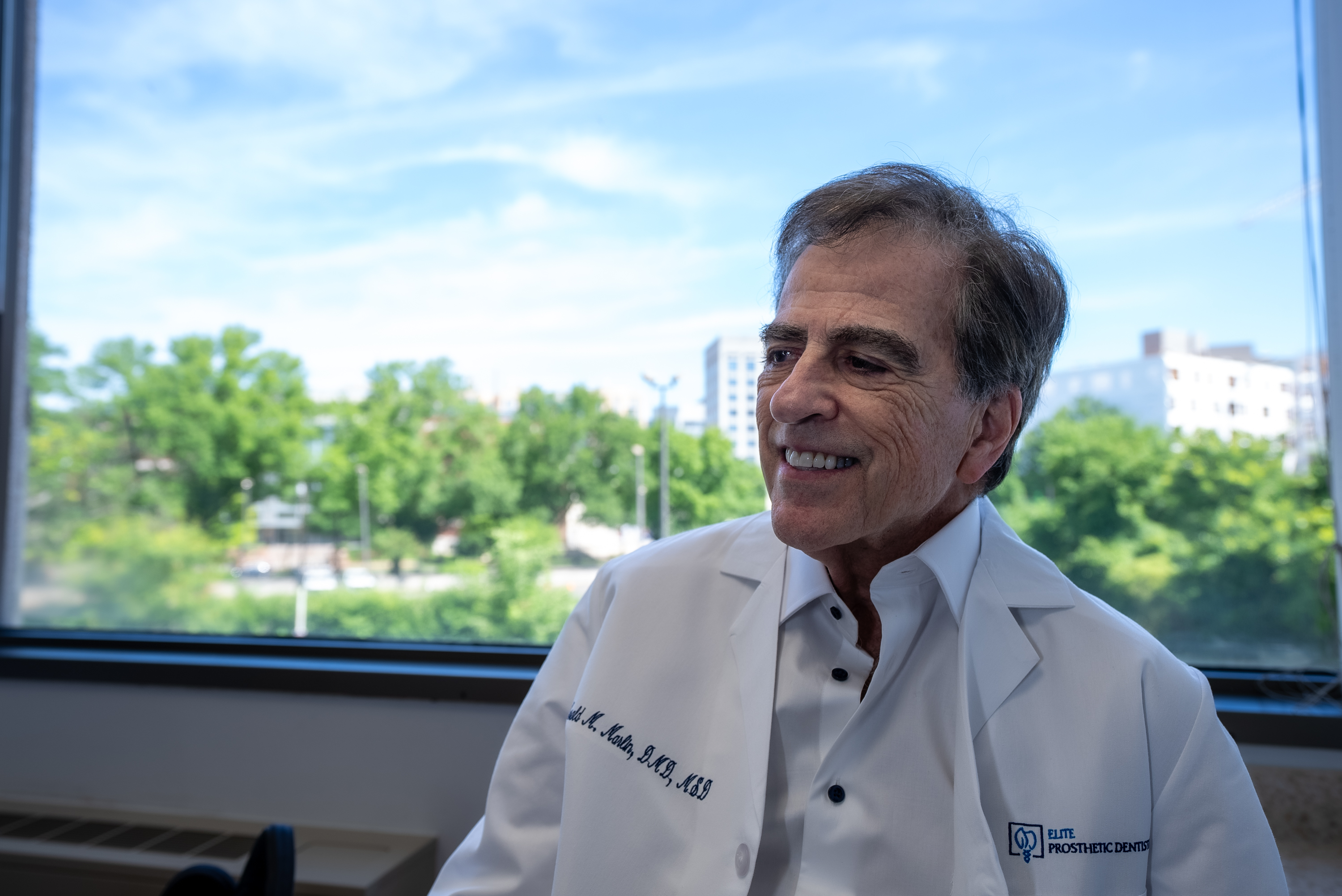
At Elite Prosthetic Dentistry in Bethesda, we understand that patients who have lost teeth to gum disease face unique considerations when seeking implant restoration. Our specialist prosthodontist has successfully placed over 3,900 implants with a 97% success rate, and we bring specialized expertise to treating patients with gum disease history. Managing periodontal health is central to achieving successful long-term implant outcomes.
Can You Get Dental Implants If You Have Gum Disease?
Active Gum Disease Is a Contraindication
Dental implants cannot be placed in the presence of active gum disease. The infection must be completely resolved before implant surgery. When bacteria colonize the periodontal pockets, they create an environment hostile to osseointegration. An active infection signals the immune system to attack rather than integrate new structures, leading to implant failure. Additionally, the bone loss caused by progressive periodontitis provides insufficient structure for stable implant placement.
The Mandatory Treatment Sequence
Successful implant restoration requires a specific treatment sequence. First, comprehensive periodontal evaluation identifies the extent of disease. Scaling and root planing, called non-surgical periodontal therapy, removes bacterial plaque and tartar from tooth surfaces and below the gum line. This procedure halts disease progression in many cases. For moderate to advanced disease, periodontal surgery may be necessary, including flap surgery to access deeper areas and bone grafting to regenerate lost bone structure. Only after gum disease is completely resolved and periodontal health is stable can implant placement be considered. This treatment sequence often takes several months, but is essential for implant success.
Peri-Implantitis Versus Periodontitis
Understanding Peri-Implantitis
While periodontitis affects teeth, peri-implantitis is the equivalent infection around dental implants. Like gum disease, peri-implantitis involves bacterial infection that causes inflammation and bone loss. However, peri-implantitis progresses more rapidly and aggressively than periodontitis because implants lack the periodontal ligament that provides some protective benefit to natural teeth. An implant surrounded by infected bone can fail quickly if treatment is delayed.
Why Previous Gum Disease Increases Risk
Patients with a history of gum disease carry significantly higher risk of developing peri-implantitis. The underlying risk factors that caused the original gum disease, such as poor oral hygiene habits, genetic susceptibility, smoking, or systemic conditions like diabetes, remain present. The bacterial species that attacked natural teeth can attack implants with equal vigor. Patients who lost teeth to gum disease must understand they are predisposed to similar problems around implants unless risk factors are addressed.
How Gum Health Affects Implant Longevity
The Critical Role of Supporting Bone
Implant longevity depends entirely on stable supporting bone. Bone that has been damaged by periodontal disease is compromised even after the infection is treated. While bone regeneration is possible with appropriate treatment, regenerated bone is often not as robust as original bone. This means implants placed in areas with previous bone loss may have reduced load capacity and may require modified functional demands. Long-term implant success depends on maintaining the remaining bone through meticulous oral hygiene and regular professional monitoring.
The Importance of Gingival Stability
Healthy gum tissue around implants creates a biological seal that prevents bacterial infiltration and bone loss. Gum tissue that has been scarred or weakened by previous disease is more vulnerable to future infection. Soft tissue grafting is sometimes necessary for patients with severe gum recession or tissue quality problems. The quality of the gum-implant interface predicts implant longevity more accurately than any other factor.
Specialized Maintenance for Patients With Gum Disease History
Enhanced Home Care Protocol
Patients with previous periodontal disease require meticulous oral hygiene. Traditional brushing and flossing remain essential, but often must be supplemented with additional tools. Water flossers, interdental brushes, and specialized implant floss help access difficult-to-clean areas. Antimicrobial rinses may be recommended, especially during the initial healing period. Our Bethesda office provides specific oral hygiene instruction tailored to each patient's circumstances and risk factors.
Professional Monitoring Schedule
While typical implant patients are monitored every six to twelve months, patients with gum disease history require more frequent professional evaluation. Initial monitoring may occur every three months, with frequency adjusted based on individual response. Professional cleanings remove buildup that leads to infection. Regular X-rays track bone levels to detect early changes. Early detection of peri-implantitis allows prompt treatment before serious damage occurs.
Addressing Underlying Risk Factors
Smoking cessation is critical for implant success in patients with gum disease history. Smoking reduces blood flow to the gums and impairs immune function, making infection more likely. Diabetes must be well-controlled, as elevated blood glucose increases infection risk. Stress management and adequate sleep support immune function. These lifestyle modifications dramatically improve implant longevity and reduce peri-implantitis risk.
Why Specialist Prosthodontist Care Matters
Patients with gum disease history benefit from specialist prosthodontist expertise. Unlike general practitioners who may see implant patients infrequently, specialist prosthodontists complete three additional years of residency training focused exclusively on tooth replacement and complex prosthetic cases. This specialized training includes advanced periodontal knowledge, bone grafting techniques, and long-term management of challenging cases. Elite Prosthetic Dentistry's specialist prosthodontist brings extensive experience managing implant patients with previous gum disease, understanding both the technical surgical considerations and the long-term maintenance requirements. Our office collaborates closely with periodontal specialists when necessary, ensuring comprehensive care that addresses both existing dental issues and future implant success.
Gum Disease and Implants
Active gum disease must be treated before implant placement. Once periodontal health is restored, patients with a history of gum disease can achieve excellent implant outcomes with diligent maintenance and regular professional cleanings.
If you have a history of gum disease and are considering dental implants, comprehensive evaluation is essential. Schedule a consultation at Elite Prosthetic Dentistry in Bethesda to discuss your specific situation and treatment options.
Related Articles
What Are Dental Implants?
Learn the fundamentals of implant technology and why they're the gold standard for tooth replacement.
Read MoreDental Implant Failure: Signs, Causes, and Prevention
Understand warning signs of implant problems and how to prevent complications with proper maintenance.
Read MoreCaring for Your Dental Implants
Learn maintenance and care strategies for long-term implant success.
Read MoreBone Loss and Dental Implants
Understand bone loss and how it affects implant placement and success.
Read MoreSchedule Your Consultation
Ready to learn more about dental implants? Our specialist prosthodontist serving Bethesda is ready to help. Call (202) 244-2101 or request a consultation.