
Diabetes and Implant Healing
If you have diabetes and are considering dental implants, you may be wondering whether your condition will affect your ability to receive successful implants. The good news is that with well-controlled diabetes, you can absolutely be a candidate for dental implants. However, diabetes does affect your body's healing capacity, and understanding these effects is essential for optimizing your treatment outcomes.
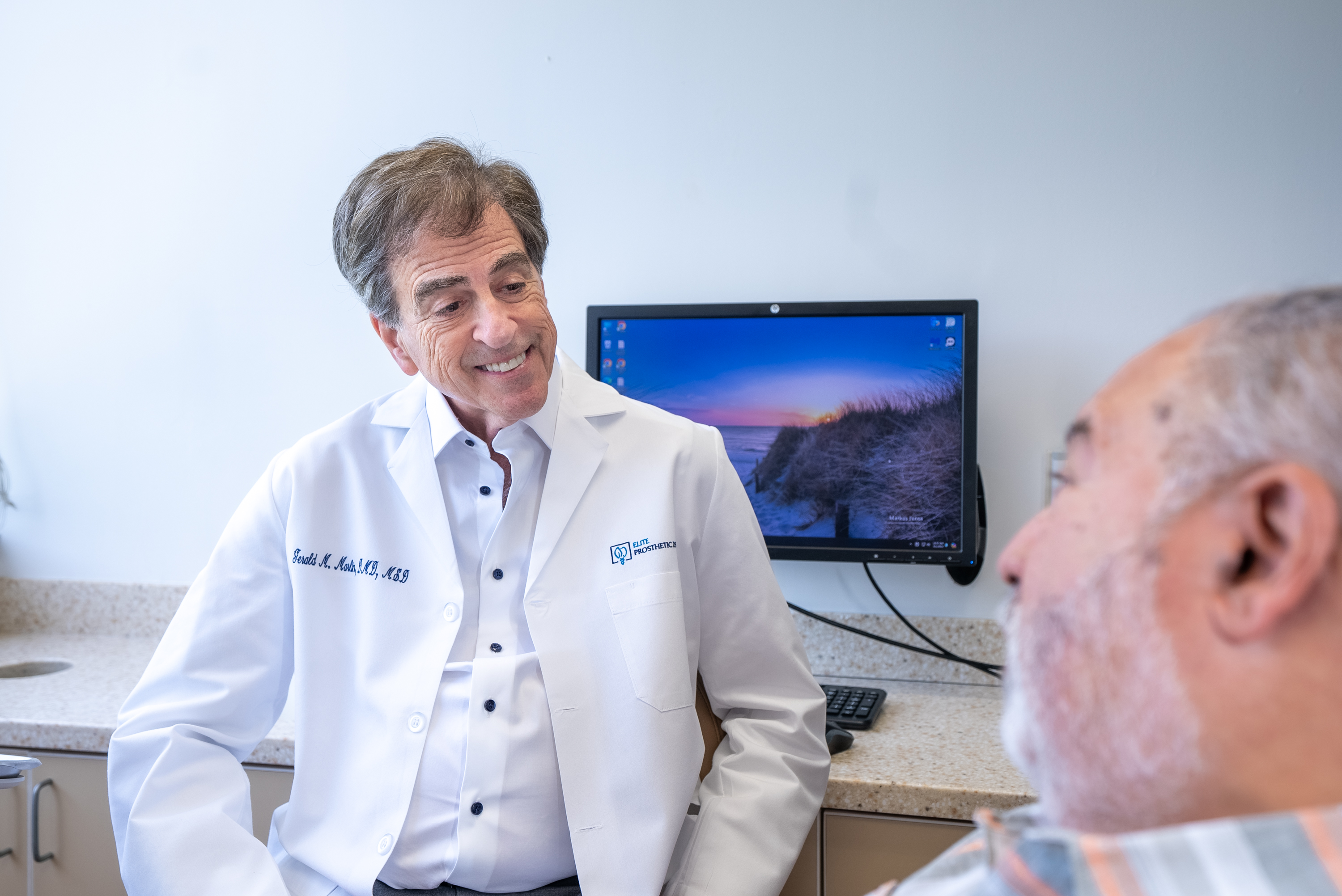
At Elite Prosthetic Dentistry in Bethesda, we've placed over 3,900 dental implants with a 97% success rate, including many patients with diabetes. Our specialist prosthodontist works closely with diabetic patients to manage their treatment carefully, ensuring excellent healing and long-term success. The key difference between diabetic and non-diabetic patients comes down to careful planning, timing, and monitoring.
How Diabetes Affects Bone Healing
Diabetes impacts your body's ability to heal by affecting bone metabolism and reducing blood flow to healing tissues. When your blood sugar levels are elevated, it impairs the function of osteoblasts, the cells responsible for building new bone. This means that osseointegration, the process where your jawbone fuses with the implant fixture, takes longer and is less robust in poorly controlled diabetes.
Additionally, high blood sugar levels increase inflammation throughout your body, including at the surgical site. This inflammatory environment is less favorable for the precise biological processes that need to occur for successful implant integration. If your diabetes is well-controlled, these effects are minimized significantly, but they don't disappear entirely. This is why diabetic patients need slightly closer monitoring during the healing phase.
Understanding HbA1c Levels and Implant Candidacy
Your HbA1c (hemoglobin A1c) level is the most important marker we use to assess your diabetes control. This measurement represents your average blood sugar over the past two to three months, giving us a clear picture of how well your diabetes is being managed. Before implant surgery, we'll work with your physician to optimize your glucose control.
Ideal Ranges for Implant Surgery
For optimal implant outcomes, your HbA1c should ideally be below 7%, and certainly below 8%. If your HbA1c is higher than 8%, we may recommend delaying your implant placement until your blood sugar control improves. This isn't because you're ineligible for implants, but because we want to maximize your chances of successful healing and long-term implant survival. Taking a few extra weeks or months to optimize your diabetes control can dramatically improve your implant success rate.
Research shows that diabetic patients with HbA1c levels above 8% have implant failure rates that are significantly higher than those with better control. Conversely, patients who achieve HbA1c levels below 7% have success rates nearly identical to non-diabetic patients. This demonstrates the critical importance of glucose management for implant success.
Controlled Versus Uncontrolled Diabetes Outcomes
The difference between controlled and uncontrolled diabetes is dramatic when it comes to implants. Patients with well-controlled diabetes (HbA1c below 7%) have implant success rates around 95-97%, comparable to non-diabetic patients. Patients with moderately controlled diabetes (HbA1c 7-8%) may see slightly reduced success rates, typically in the 90-94% range. Those with uncontrolled diabetes (HbA1c above 8%) can have failure rates approaching 15-20%, a significant increase in risk.
Type 1 Versus Type 2 Diabetes
While the principles of implant placement apply to both Type 1 and Type 2 diabetes, there are some differences in how we approach these patients. Type 1 diabetes requires insulin therapy and typically involves younger patients with longer disease duration. Type 2 diabetes can sometimes be managed with oral medications or lifestyle changes alone, though many Type 2 patients eventually require insulin.
Type 1 Diabetes Considerations
Type 1 diabetic patients often have more variable blood sugar patterns than Type 2 patients, which can make healing less predictable. However, Type 1 patients are often younger and have fewer other health conditions, which can work in their favor. We require very careful blood sugar monitoring in the perioperative period (around the time of surgery) and may recommend slight adjustments to insulin regimens.
Type 2 Diabetes Considerations
Type 2 diabetic patients are often older and may have other comorbidities that affect healing, such as cardiovascular disease or hypertension. However, if their diabetes is well-controlled, they have excellent outcomes. Many Type 2 patients can optimize their blood sugar through increased medication dosing temporarily around the surgery, which is done in coordination with their primary care physician.
Infection Risk and Medication Considerations
Diabetic patients have impaired immune function, particularly neutrophil activity and T-cell function. This means your body is less able to fight off bacteria at the surgical site. Combined with impaired healing, this creates a higher infection risk. For this reason, we may recommend prophylactic antibiotics starting before your surgery and continuing for several days afterward, a more aggressive approach than we use with non-diabetic patients.
Blood Sugar Management Around Surgery
In the days before and after your implant surgery, you'll need to monitor your blood sugar even more carefully than usual. Pre-surgical stress can elevate blood sugar, and you'll be fasting before the procedure. We coordinate closely with your physician to ensure appropriate adjustments to your diabetes medications during this period. Typically, we'll schedule your implant surgery early in the morning to minimize the time you go without food and to allow us to monitor your glucose levels carefully.
Post-Surgical Medication Adjustments
After surgery, your blood sugar control often improves temporarily as you're typically less active for several days. Your endocrinologist or primary care doctor may need to adjust your medications to prevent your blood sugar from dropping too low during the early healing phase. This is a conversation to have with your physician in advance of your surgery.
Pre-Surgical Glucose Management
Proper preparation is essential for diabetic implant patients. Starting several months before your planned surgery, work with your primary care physician and endocrinologist to optimize your blood sugar control. If you're not currently seeing an endocrinologist (diabetes specialist), this might be a good time to start, at least for consultation to help optimize your glucose management before your implant surgery.
Planning Your Treatment Timeline
If your current HbA1c is above target, we recommend scheduling your implant surgery 2-3 months in the future, giving you time to work with your healthcare team to improve your glucose control. This may involve medication adjustments, lifestyle changes, or both. In many cases, even modest improvements in glucose control can bring you into the optimal range for implant surgery. For detailed guidance on the implant process, see our consultation preparation guide.
Specialist Prosthodontist Care
Working with a specialist prosthodontist, rather than a general dentist, is particularly important for diabetic patients. Our experience with complex cases and our understanding of how systemic conditions like diabetes affect implant outcomes means we can design treatment plans specifically tailored to your needs. We also maintain close communication with your other healthcare providers to ensure coordinated care. Learn more about other factors affecting candidacy and understand warning signs to watch for during your treatment.
Long-term Success and Monitoring
Once your implants are integrated and you have your final restoration in place, having diabetes doesn't mean you'll have higher failure rates long-term, as long as you continue to maintain good glucose control and excellent oral hygiene. In fact, with proper care, your implants can last a lifetime. The key is ongoing commitment to both systemic health and oral health.
Key Takeaway for Diabetic Patients
Well-controlled diabetes (HbA1c below 7-8%) is generally compatible with successful dental implant treatment. Close coordination between your prosthodontist and endocrinologist helps optimize healing and long-term implant success.
Diabetic patients should schedule professional cleanings every three to four months rather than the typical six months, giving us the opportunity to catch any early signs of peri-implantitis or other problems. We'll monitor your implants closely for any signs of inflammation or infection. In return, we ask that you maintain meticulous home care, including careful brushing, flossing, and use of antimicrobial rinses as recommended. Explore our patient success stories to see how others have achieved excellent long-term outcomes, and visit our smile gallery to see the beautiful results possible with expert care.
Related Articles
What Are Dental Implants?
Learn the fundamentals of dental implant technology and why implants are the gold standard for tooth replacement.
Read MoreHow Long Do Dental Implants Last?
Discover implant longevity and the factors that affect how long your implants will function.
Read MoreCaring for Your Dental Implants
Learn daily maintenance and care strategies to ensure your implants last a lifetime.
Read MoreSchedule Your Consultation
Ready to learn more about dental implants and how they can transform your smile? Our specialist prosthodontist serving Bethesda and the surrounding area is ready to help. Call (202) 244-2101 or request a consultation today.
Request Consultation