
The Remarkable Lifespan of Dental Implants
Dental implants are designed to be permanent. With proper care, most implants last 25 to 40 years or longer. Many of our Bethesda patients have had implants for over 20 years with no complications. Some implants last a lifetime, functioning perfectly even after 30 or 40 years. This exceptional durability makes implants the longest-lasting tooth replacement option available.
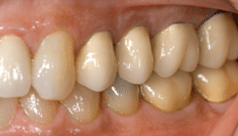
The titanium implant body itself virtually never wears out. Titanium is biocompatible and resists corrosion indefinitely. The crown or restoration on top may eventually need replacement due to normal wear, but the underlying implant continues functioning. At Elite Prosthetic Dentistry, our 97 percent success rate and thousands of successful implants demonstrate the reliability of this technology.
What Affects Implant Longevity
Bone Quality and Integration
The strength of bone around your implant is the primary factor determining longevity. Implants placed in dense, healthy bone last longer than those in compromised bone. This is why bone grafting sometimes precedes implant placement. The better the initial bone-implant integration, the more stable the foundation for decades of function.
Oral Hygiene Practices
Your daily care significantly impacts implant longevity. Brushing and flossing maintain the gums around your implant, preventing disease that could threaten the bone. Patients who practice excellent oral hygiene enjoy longer implant lifespan. Poor oral hygiene can lead to gum disease, bone loss, and eventual implant failure. It's the single most controllable factor in implant success.
Regular Professional Care
Regular dental check-ups and professional cleanings extend implant life. Your dentist monitors bone levels and gum health, catching any problems early. Professional cleanings remove buildup that contributes to gum disease. Most implant specialists recommend check-ups every six months to monitor implant health.
Smoking and Lifestyle Factors
Smoking significantly reduces implant longevity by impairing healing and bone health. Patients who quit smoking before implant placement have much better outcomes. Excessive alcohol and poor nutrition also negatively affect bone health and healing. A healthy lifestyle supports implant success.
The Parts of Your Implant Restoration
The Implant Body
The titanium implant itself, when properly integrated and maintained, lasts indefinitely. It resists corrosion and degradation. Unlike natural teeth, implants cannot develop decay. They're immune to the biological processes that destroy natural teeth. This permanence makes them superior to other tooth replacement options.
The Crown or Restoration
The visible tooth replacement, typically porcelain or a porcelain-ceramic composite, lasts 10 to 20 years typically. Eventually, due to normal wear from chewing forces and occasional staining or chipping, the crown may need replacement. This is a much simpler procedure than implant placement, and the underlying implant continues functioning perfectly.
The Abutment
The connector between the implant and crown also lasts indefinitely in most cases. It's typically made of titanium or other biocompatible materials that resist corrosion. Rarely, an abutment may need replacement, but this is straightforward and doesn't affect the implant itself.
Comparing Implant Longevity to Other Options
Versus Dentures
Dentures typically last 5 to 8 years before requiring replacement. They require adjustments and relines every few years due to bone loss. Over a 30-year period, you might replace dentures three to four times. Implants, lasting 25 to 40 years, represent a one-time investment that outlasts multiple denture replacements.
Versus Bridges
Dental bridges last 10 to 15 years typically, sometimes longer. When a bridge fails, it must be replaced, often at significant cost. Bridges also damage the supporting teeth, potentially requiring their eventual extraction. Implants avoid these complications by standing independently.
Versus Natural Teeth
Interestingly, properly maintained implants often outlast natural teeth. Natural teeth can be lost to decay or disease at any age. Implants, being immune to decay, provide greater predictability. While natural teeth may last your entire life, they may also need extraction. Implants provide guaranteed function for decades.
Maintaining Your Implants for Maximum Longevity

Daily Care Routine
Brush your implants like natural teeth with a soft toothbrush and non-abrasive toothpaste. Floss daily using an implant-specific floss or water floss. Avoid abrasive whitening products. This simple routine prevents most implant problems.
Avoid Harmful Habits
Don't use your teeth as tools. Avoid chewing ice, hard candy, or bone. Don't smoke. Limit alcohol. These habits damage implants just as they damage natural teeth. Additionally, avoid grinding your teeth, which puts excessive stress on implants. If you grind, wear a night guard.
Professional Monitoring
See your dentist regularly for check-ups and professional cleanings. Any problems with your implant can be detected early and addressed before they become serious. This preventive care is the single best investment in implant longevity.
What If Your Implant Needs Service?
Even well-maintained implants may occasionally need adjustments or component replacements. If your crown becomes damaged, it can be replaced without touching the underlying implant. If an abutment becomes loose or needs replacement, it's a straightforward procedure. These are minor interventions that maintain your implant's function. True implant failure is rare, occurring in only about 3 percent of cases at Elite Prosthetic Dentistry.
For more detailed information about potential complications, see our article on implant failure signs and causes.
Your Long-Term Investment
Dental implants represent one of the best long-term investments in your health. They provide superior function, appearance, and longevity compared to other tooth replacement options. Many Bethesda patients who have had implants for 20 or 30 years consider them among the best decisions they've made for their health. If you're considering implants, our specialist prosthodontist is ready to help you understand your options and begin your journey to a lasting smile.
Related Articles
Caring for Your Dental Implants
Learn daily maintenance and care strategies to maximize your implant longevity.
Read MoreDental Implant Failure: Signs and Causes
Understand rare implant failure and learn warning signs to watch for.
Read MoreDental Implant vs. Bridge
Compare implants to bridges and discover why implants often provide better long-term value.
Read MoreInvest in Your Smile Today
Dental implants offer unmatched longevity and quality of life. Our specialist prosthodontist serving Bethesda can help you achieve a lasting smile. Call (202) 244-2101 or request a consultation.
Request Consultation