
What Are Immediate Dental Implants?
Immediate implant placement represents a significant advancement in implant dentistry, allowing tooth replacement in a single surgical appointment. Rather than following the traditional protocol of extracting a tooth and waiting three to six months for bone healing before implant placement, immediate implants are inserted directly into the fresh extraction socket at the time the tooth is removed. This approach offers significant advantages for appropriate candidates, particularly those who value convenience and faster restoration.
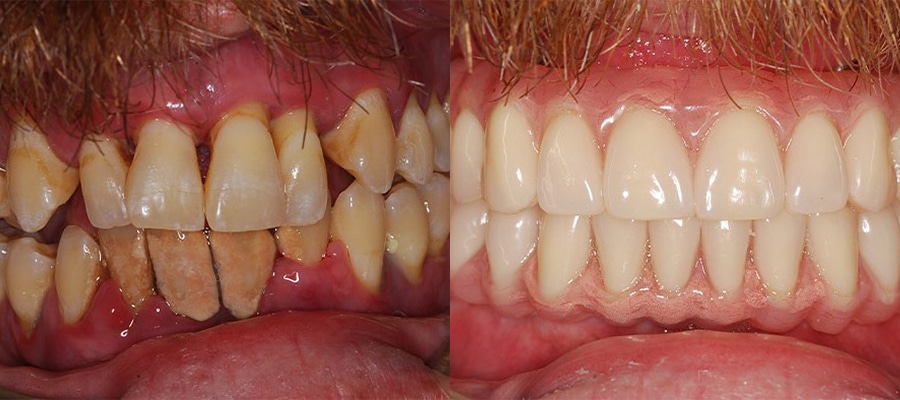
At Elite Prosthetic Dentistry in Bethesda, our specialist prosthodontist has successfully placed over 3,900 implants with a 97% success rate, including numerous immediate placement cases. Determining whether you are a candidate for this approach requires careful evaluation of bone quality, infection status, and other clinical factors. This article explains immediate implants, ideal candidates, and the advantages and limitations of this powerful treatment option.
Ideal Candidates for Immediate Implants
Bone Quality Requirements
Immediate implants require excellent bone quality and quantity. The extraction socket must have sufficient remaining bone walls to support the implant in proper position. Approximately 70 percent of extraction socket bone is lost during the initial healing period, so the remaining bone must be robust. Teeth with severe bone loss due to infection or trauma may not be candidates for immediate placement. Dense, well-preserved bone provides the primary retention for the implant during osseointegration.
Infection and Health Considerations
Teeth scheduled for immediate implant extraction must be free from active infection. An endodontic abscess or severe periapical pathology creates a hostile environment for osseointegration. Careful evaluation includes periapical radiographs to detect any unsuspected periapical infection. Systemic conditions must be well-controlled, with normal immune function to support healing.
Anterior Tooth Preference
Immediate implants work best for anterior teeth, particularly upper front teeth where esthetic demands are high and forces are lighter than in posterior areas. The single root of anterior teeth creates a socket compatible with implant geometry, and the thinner facial bone provides more predictable healing. While posterior immediate implants are sometimes performed, they require greater surgical skill and bone support.
Advantages of Immediate Implant Placement
Fewer Surgical Appointments
The most obvious advantage is completion of tooth removal and implant placement in a single appointment. Patients avoid the psychological and practical burden of a second surgical procedure. For working patients or those traveling from distance, this represents significant convenience and time savings.
Bone Preservation
Immediate implant placement preserves significantly more bone than delayed placement. The implant physically supports the extraction socket bone and stimulates new bone formation through the osseointegration process. By occupying the extraction space immediately, the implant prevents collapse of the bone walls that occurs when sockets are left empty. Preserved bone maintains facial height and prevents the sunken appearance that develops after bone resorption.
Immediate Esthetics
A temporary crown can often be placed immediately or within days, providing immediate tooth replacement. This eliminates the gap-toothed period that characterizes delayed implants. Patients maintain function and appearance throughout treatment, reducing social and professional concerns.
Reduced Overall Treatment Time
Immediate implants eliminate the waiting period between extraction and implant placement. Total time from tooth removal to final restoration is typically two to three months shorter than delayed implant approaches, allowing faster return to normal function.
Limitations and Considerations
Not Suitable for All Cases
Immediate placement is not appropriate when bone is severely compromised or infection is present. Large periapical lesions require removal of diseased bone, eliminating the socket structure needed to support an implant. Teeth with severe external root resorption or internal decay affecting bone support are not candidates. Additionally, cases requiring significant bone grafting are often better served by delayed placement allowing adequate graft integration.
Healing Uncertainty
Extraction sites are unpredictable. Despite careful assessment, bone healing sometimes differs from expectations. Gaps between the implant and socket walls heal through bone formation, but in some cases, this healing is incomplete. Delayed implants allow assessment of healing before final decisions are made about bone grafting or implant modifications.
Higher Technical Demands
Immediate implant placement requires exceptional surgical skill. The implant must be positioned precisely in three-dimensional space within the confines of the extraction socket. Visualization is limited, and anatomical landmarks used to guide placement are removed during extraction. This procedure is more technically demanding than delayed implant placement and benefits from specialist expertise.
Immediate Loading Versus Delayed Loading
Immediate Temporary Restoration
Immediate loading refers to placement of a temporary crown on the implant immediately or very shortly after surgery. This provides esthetic and functional benefit without compromising the implant. The temporary crown is specifically designed to avoid excessive chewing forces that could stress the implant during early healing. Immediate temporary restoration addresses the primary patient concern about appearance and function during healing.
Delayed Final Restoration
The final permanent crown is typically delayed three to four months, allowing complete osseointegration. During this time, the temporary crown gradually increases in thickness and functional load as bone heals and implant stability improves. The final restoration is fabricated after implant integration is confirmed, ensuring optimal support and function.
Case Selection at Elite Prosthetic Dentistry
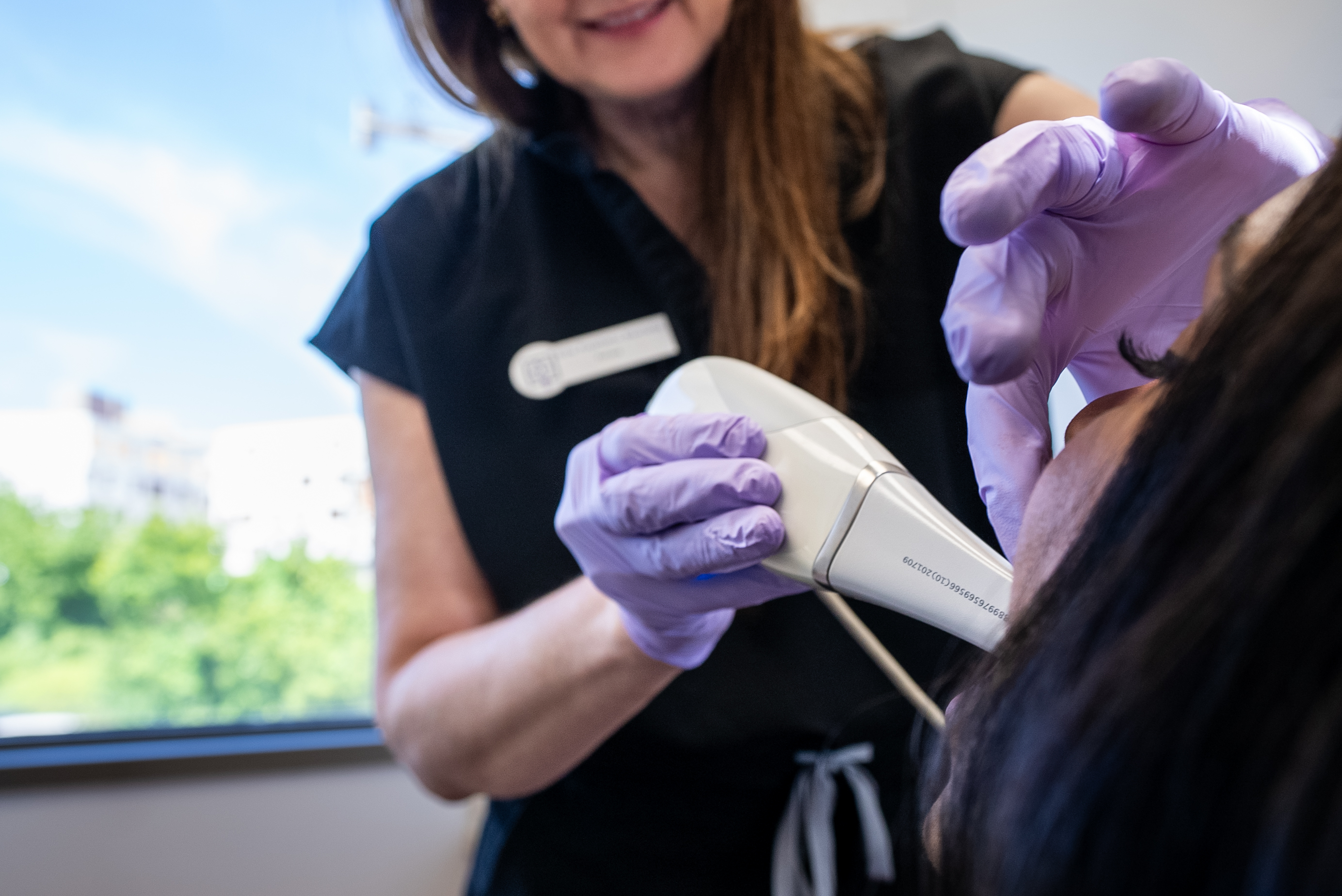
Our Bethesda specialist prosthodontist carefully evaluates each patient to determine if immediate implant placement is appropriate. Advanced imaging including cone beam computed tomography provides detailed bone anatomy to assess feasibility. Clinical examination confirms tooth type and bone quality. We discuss both immediate and delayed options, helping patients understand the advantages and limitations of each approach for their specific situation. When immediate placement is appropriate and desired, our expertise ensures successful treatment. When delayed placement is recommended, patients understand why this modified approach better serves their long-term outcomes. Learn more about the dental implant timeline or schedule a consultation to discuss your implant options.
Related Articles
What Are Dental Implants?
Learn the fundamentals of implant technology and why they're the gold standard for tooth replacement.
Read MoreDental Implant Recovery: What to Expect
Understand the healing process and recovery timeline after implant placement.
Read MoreImplant Timeline and Treatment Process
Learn how long dental implant treatment takes and what happens at each stage.
Read MoreSchedule Your Consultation
Ready to learn more about dental implants? Our specialist prosthodontist serving Bethesda is ready to help. Call (202) 244-2101 or request a consultation.
Request Consultation