Getting Ready for Your Consultation
Scheduling a consultation with a dental implant specialist represents an important step toward tooth replacement and smile restoration. Arriving prepared helps maximize the consultation time, ensures the prosthodontist has necessary information for accurate evaluation, and allows you to feel confident discussing your concerns and goals. This article explains what to bring, what happens during a consultation, questions to ask, and how to evaluate whether a particular provider is right for you.
Elite Prosthetic Dentistry in Bethesda welcomes consultations from patients considering dental implants. Our specialist prosthodontist has successfully placed over 3,900 implants with a 97% success rate, bringing extensive experience to every consultation. We provide thorough evaluation, clear explanation of options, and honest discussion of what to expect.
What to Bring to Your Consultation
Consultation Checklist
Bring your dental records and recent X-rays, a list of current medications, your dental insurance information, and a written list of questions. This preparation helps our team provide the most thorough evaluation during your visit.
Medical and Dental History
Bring a complete medical history including all current medications, supplements, and vitamins. Note any allergies, particularly antibiotic or medication allergies. List all medical conditions including diabetes, high blood pressure, heart disease, bleeding disorders, and any other significant health issues. If you are under treatment for any condition, provide names and contact information for your physicians. Medical history directly affects implant healing and success, so complete information is essential.
Dental Records and Previous Treatment Documentation
If you have recent dental X-rays from another office, bring them or request they be sent to our office before your appointment. Previous treatment records help us understand your dental history. If you have worn a denture or partial denture, bring it so we can evaluate tissue fit and current tooth arrangement.
Insurance Information
Bring your dental insurance card and any documentation explaining your coverage. Some dental plans provide implant coverage with specific limitations. Understanding your coverage helps us discuss realistic cost expectations. If you lack insurance, discuss this during consultation so we can discuss financing options.
List of Current Medications
Bring a written list of all current medications with dosages. Some medications affect implant healing and bone density. Bisphosphonates (used for osteoporosis), anticoagulants (blood thinners), and immunosuppressive medications require special consideration during implant treatment planning.
What Happens During Your Consultation
Comprehensive Examination
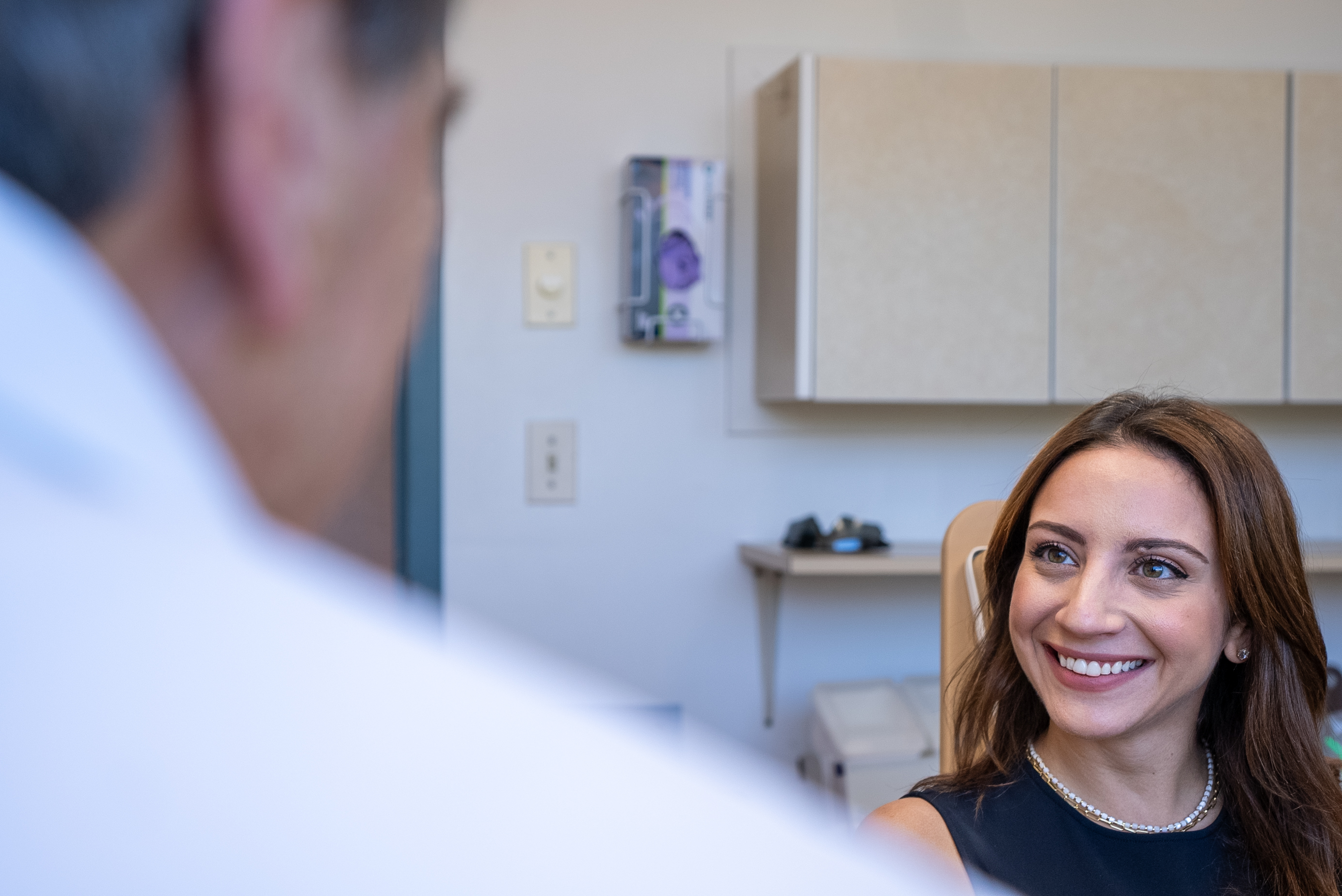
Your prosthodontist performs a thorough examination of your mouth, looking at remaining teeth, gum tissue, bone structure, and the areas where teeth are missing. This hands-on assessment provides information that cannot be obtained from records alone. The dentist evaluates your bite, tooth position, facial appearance, and tissue quality.
Advanced Imaging
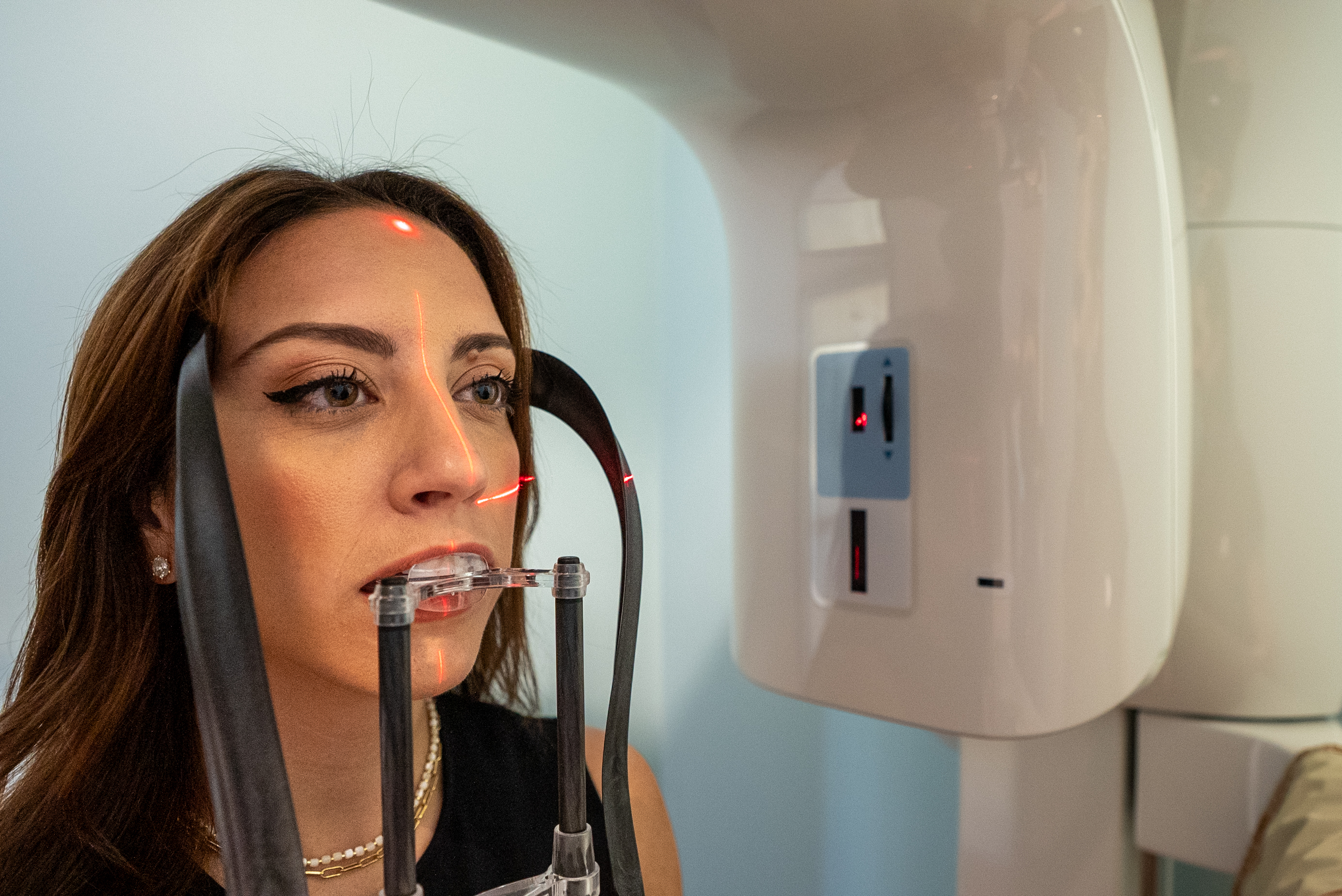
Most implant consultations include detailed imaging to assess bone anatomy. Cone beam computed tomography provides three-dimensional visualization of your jawbone, allowing precise measurement of bone height and width in areas where implants will be placed. This imaging is often performed at the consultation appointment or shortly after.
Bone Assessment and Graft Determination
Based on examination and imaging, your prosthodontist assesses whether bone grafting is needed. Areas with insufficient bone height or width may require augmentation before or concurrent with implant placement. Your prosthodontist explains whether your bone can accommodate implants directly or if grafting is necessary.
Treatment Plan Discussion
After evaluation, your prosthodontist discusses treatment options, typically providing multiple approaches when appropriate. The recommendations consider your bone anatomy, tooth position, esthetic goals, functional demands, and budget. Your input about preferences between different treatment options guides the final recommendation.
Timeline Explanation
Your prosthodontist explains the expected timeline from initial treatment through final restoration. This typically ranges from three to nine months depending on whether bone grafting is required, how many implants are placed, and whether temporary or immediate restorations are used.
Important Questions to Ask Your Prosthodontist
Credentials and Experience
Ask about your prosthodontist's training and credentials. Confirm they completed an ADA-recognized prosthodontic residency. Ask how many implants they have placed and their specific experience with cases similar to yours. Request information about success rates. Legitimate prosthodontists welcome these questions.
Surgical and Prosthetic Approach
Ask whether the prosthodontist places implants personally or works with surgical partners. Ask about bone grafting approach, whether it will be performed by the prosthodontist or a periodontal specialist. Ask about temporary versus permanent restoration timing. Understanding the treatment approach helps you feel confident about the plan.
Cost and Financing
Ask for a detailed cost estimate including all surgical, grafting, and prosthetic components. Ask what this estimate includes and what costs might be additional. Ask about payment plans or financing options if needed. Understanding costs prevents surprises later in treatment.
Risks and Complications
Ask your prosthodontist to explain potential risks and complications. While implants are very successful, all surgery carries some risk. Understanding potential problems helps you make informed decisions and recognize warning signs during healing.
Post-Operative Care and Follow-Up
Ask about post-operative restrictions, pain management, and healing expectations. Ask about follow-up appointment frequency and long-term monitoring protocols. Understanding ongoing care commitment helps you prepare for successful healing and long-term success.
Understanding Your Treatment Plan
Detailed Written Plan
A comprehensive treatment plan should be provided in writing, with diagrams or images showing where implants will be placed and what restorations are planned. The written plan should include timeline, cost breakdown, and detailed explanation of each treatment phase. Do not accept vague or verbal-only treatment plans.
Clear Sequencing
Understand the sequence of treatment. Will bone grafting occur before implant placement or at the same time? When will teeth be extracted? When will temporary restorations be placed? When will final restorations be completed? Clear understanding of sequencing prevents confusion during treatment.
Financial Terms
Understand payment expectations. Is full payment required before treatment starts, or are deposits followed by additional payments? Are financing plans available? What happens if additional bone grafting or unexpected surgical findings occur? Clear financial terms prevent misunderstandings.
Evaluating Your Provider
Credentials Verification
After consultation, verify credentials if not already confirmed. Legitimate prosthodontists can provide documentation of ADA-recognized residency training. Board certification can be verified through the American Board of Prosthodontics website. Do not hesitate to verify credentials independently.
Communication and Comfort Level
Did the prosthodontist listen to your concerns and answer your questions thoroughly? Did they explain treatment in understandable language without excessive jargon? Do you feel comfortable with them as your provider? Trust and communication are essential for successful treatment relationships.
Office Capabilities and Technology
Does the office have advanced technology including cone beam computed tomography for detailed bone imaging? Does the office appear clean and well-organized? Are staff members professional and helpful? Modern technology and professional office environment indicate commitment to quality.
Getting a Second Opinion
It is perfectly acceptable and often recommended to obtain a second opinion. Seeing another prosthodontist allows comparison of treatment recommendations, cost estimates, and overall approach. Second opinions often confirm the first recommendation or reveal alternative approaches to consider. Most ethical prosthodontists support second opinions as part of informed decision-making.
Next Steps After Consultation
After your consultation, take time to consider the information discussed, review any written materials provided, and think about whether you are comfortable with the recommended treatment and provider. If you chose to seek a second opinion, schedule that appointment. Once you decide to proceed, contact the office to schedule treatment. If you have additional questions before committing to treatment, contact the office. Elite Prosthetic Dentistry in Bethesda welcomes consultation and is ready to answer questions about your implant treatment options. Learn more about implant candidacy or schedule your consultation today.
Related Articles
What Is a Prosthodontist?
Learn about specialist training and why prosthodontist expertise matters for implants.
Read MoreWhat Are Dental Implants?
Learn the fundamentals of implant technology and why they're the gold standard for tooth replacement.
Read MoreDental Implant Cost Factors
Understand what affects implant treatment costs and your investment.
Read MoreAm I a Candidate for Dental Implants?
Learn about implant candidacy and factors determining eligibility.
Read MoreSchedule Your Consultation Today
Ready to explore how dental implants can transform your smile? Our specialist prosthodontist serving Bethesda is ready to help. Call (202) 244-2101 or request a consultation.