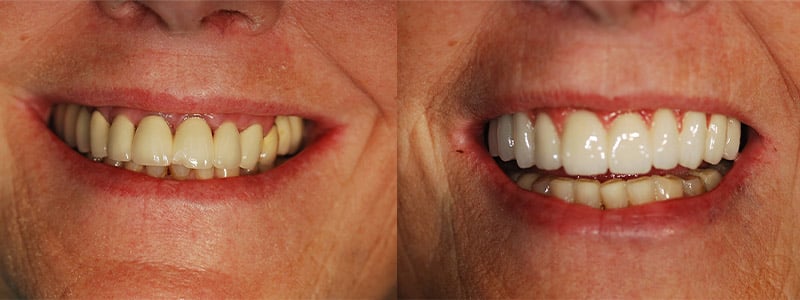
Restoring Multiple Missing Teeth
Losing multiple teeth creates significant functional and esthetic challenges. Beyond obvious appearance concerns, missing teeth reduce chewing efficiency, affect speech, and accelerate bone loss in areas without tooth or implant support. The good news is that modern implant dentistry offers excellent options for replacing multiple missing teeth, with solutions tailored to individual bone anatomy, tooth positions, and functional demands.
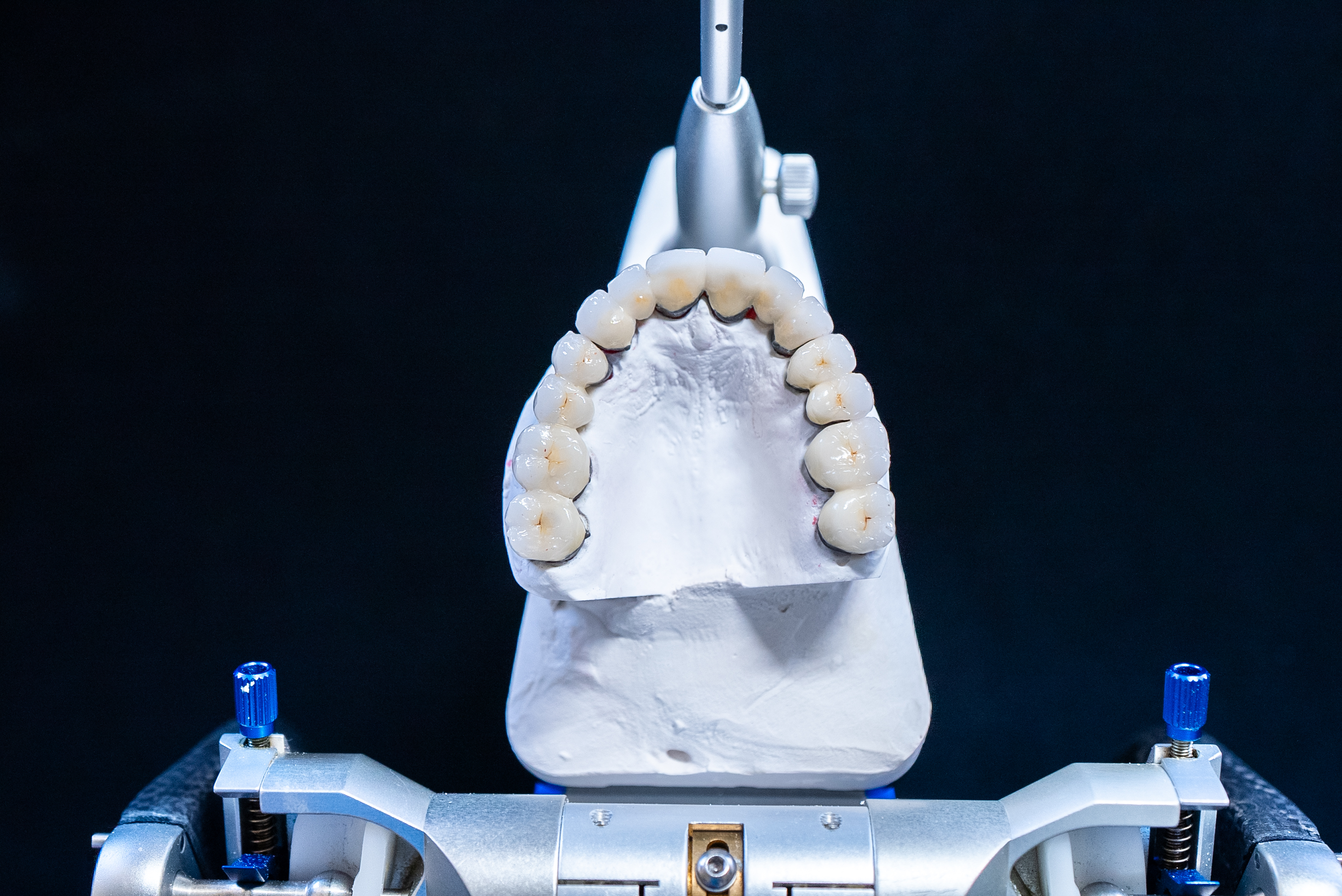
At Elite Prosthetic Dentistry in Bethesda, our specialist prosthodontist has successfully placed over 3,900 implants with a 97% success rate, including numerous complex cases involving replacement of multiple teeth. We understand the treatment planning complexity and bone considerations specific to multiple tooth replacement. This article explains the primary options available and the factors determining which approach best serves individual patients.
Treatment Options for Multiple Missing Teeth
Individual Implant-Supported Crowns
The gold standard for replacing multiple missing teeth is individual implants supporting single crowns for each missing tooth. Each implant is placed where a tooth was lost, and a custom crown is attached to each implant. This approach provides the most natural restoration, allows optimal individual tooth positioning, and enables independent modification of each restoration if needed in the future. Esthetically and functionally, individual crowns produce superior results compared to alternatives.
Implant-Supported Bridge
When multiple adjacent teeth are missing, an implant-supported bridge uses fewer implants than the number of missing teeth. For example, three missing adjacent teeth can be replaced with two implants supporting a three-tooth bridge. The middle tooth is supported by the bridge while the abutments rest on the two implants. This reduces implant number and overall cost, though it creates a more complex restoration that cannot be disassembled for individual tooth cleaning.
Implant-Supported Partial Denture
When multiple teeth are missing in different areas of the mouth, an implant-supported partial denture may be appropriate. Two to four implants support a removable partial denture that replaces the missing teeth. The implants provide stability and retention, preventing the movement and retention problems of conventional removable partial dentures. This option is less expensive than individual implants but requires patient comfort with a removable prosthesis.
How Many Implants Are Needed?
One Implant per Tooth Principle
For esthetic anterior regions and situations where tooth positioning and individual restoration modification are important, one implant per missing tooth represents the ideal approach. This provides maximum support and esthetic control, allowing precise positioning of each restoration.
Strategic Placement in Posterior Regions
Posterior teeth are subjected to higher chewing forces than anterior teeth. The distribution of these forces across implants becomes clinically important. For four missing posterior teeth, three implants supporting a bridge, or even two implants with specific geometric positioning, may provide adequate load distribution and support. Strategic implant positioning in posterior regions must account for bone anatomy, ridge width, and the angle of forces the implants will receive.
The Two-Implant Principle
For many situations, research demonstrates that implants placed in anterior areas can support bridges extending over larger distances posteriorly. Two well-positioned implants can sometimes support a four-tooth or five-tooth bridge, though posterior tooth size and material must be modified to reduce the loads transmitted to the implants. This principle reduces treatment cost while maintaining functional success, though implant-supported bridges have greater maintenance requirements than individual crowns.
Treatment Planning Complexity
Bone Assessment
Replacing multiple teeth requires detailed assessment of available bone in each area where implants will be placed. Bone may be deficient in height or width in some areas, requiring bone grafting to accommodate implants. Cone beam computed tomography provides three-dimensional visualization of ridge anatomy, allowing precise determination of implant placement and identification of areas requiring augmentation.
Interdisciplinary Coordination
Complex multiple tooth cases often benefit from coordination between the prosthodontist, who plans the overall treatment and prosthetic restoration, and periodontists, who may perform bone grafting or advanced soft tissue grafting. This collaborative approach ensures that bone grafting creates the exact configuration needed for optimal implant placement and restoration.
Esthetic Considerations
Multiple anterior missing teeth present significant esthetic demands. Implant positioning must account for tooth width, positioning relative to the smile line, and soft tissue contours that frame the teeth. Sometimes esthetic demands necessitate implant positions that create greater surgical challenge, requiring expert surgical skill and careful planning.
Cost Considerations for Multiple Teeth
Treatment cost varies substantially based on the number of implants required, need for bone grafting, and the type of restoration selected. Individual crowns on implants cost more than bridges or implant-supported partial dentures but provide superior long-term results and maintenance characteristics. Removable implant-supported partial dentures cost less than fixed restorations but require patient comfort with a removable prosthesis. Learn more about implant cost factors to better understand your options.
Why Specialist Expertise Matters
Replacing multiple missing teeth requires sophisticated treatment planning, advanced surgical and prosthetic skills, and comprehensive understanding of how implant positioning affects long-term restoration success. Specialist prosthodontists complete three additional years of residency training beyond dental school, focused exclusively on complex tooth replacement cases. This training develops expertise in treatment planning optimization, bone augmentation coordination, and prosthetic execution that benefits patients with complex cases. Our Bethesda specialist prosthodontist has successfully managed thousands of multiple tooth replacement cases, understanding the nuances of each approach and factors determining individual success.
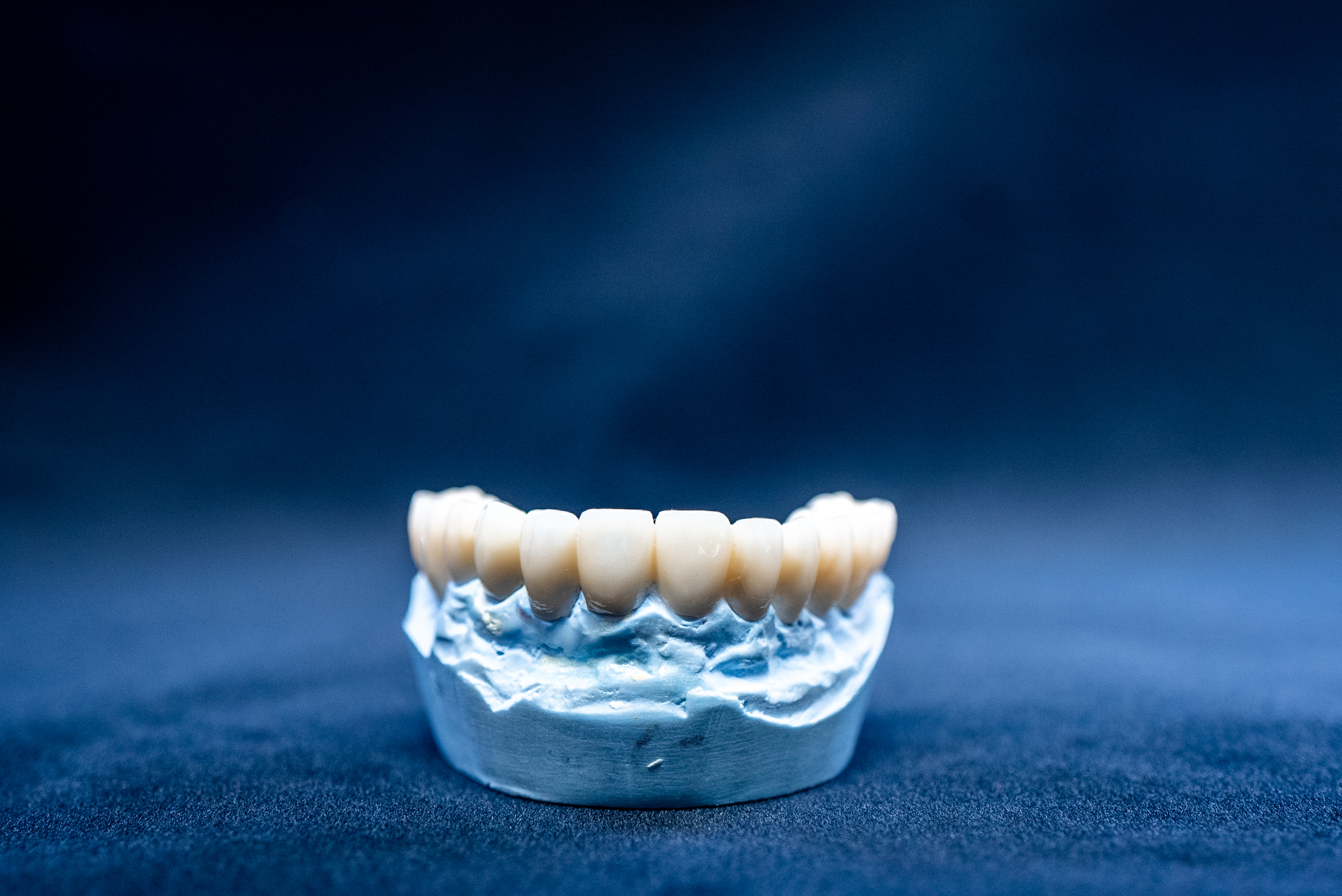
If you are missing multiple teeth and considering restoration with implants, comprehensive evaluation is the first step. Learn more about full-arch solutions or schedule a consultation to discuss your specific situation.
Related Articles
What Are Dental Implants?
Learn the fundamentals of implant technology and why they're the gold standard for tooth replacement.
Read MoreDental Implant vs. Bridge
Understand how implants compare to traditional bridges for tooth replacement.
Read MoreAll-on-4 Dental Implants
Learn about full-arch restoration using strategic implant placement.
Read MoreFull-Arch Solutions
Explore comprehensive options for replacing all teeth in one arch.
Read MoreSchedule Your Consultation
Ready to learn more about dental implants? Our specialist prosthodontist serving Bethesda is ready to help. Call (202) 244-2101 or request a consultation.