
The Basics: What Are Dental Implants?
Dental implants are artificial tooth roots that provide a permanent foundation for replacement teeth. Unlike traditional bridges or dentures, implants are surgically placed into the jawbone, where they integrate with the bone through a process called osseointegration. This creates a stable, long-lasting solution for missing teeth that functions almost identically to natural teeth.
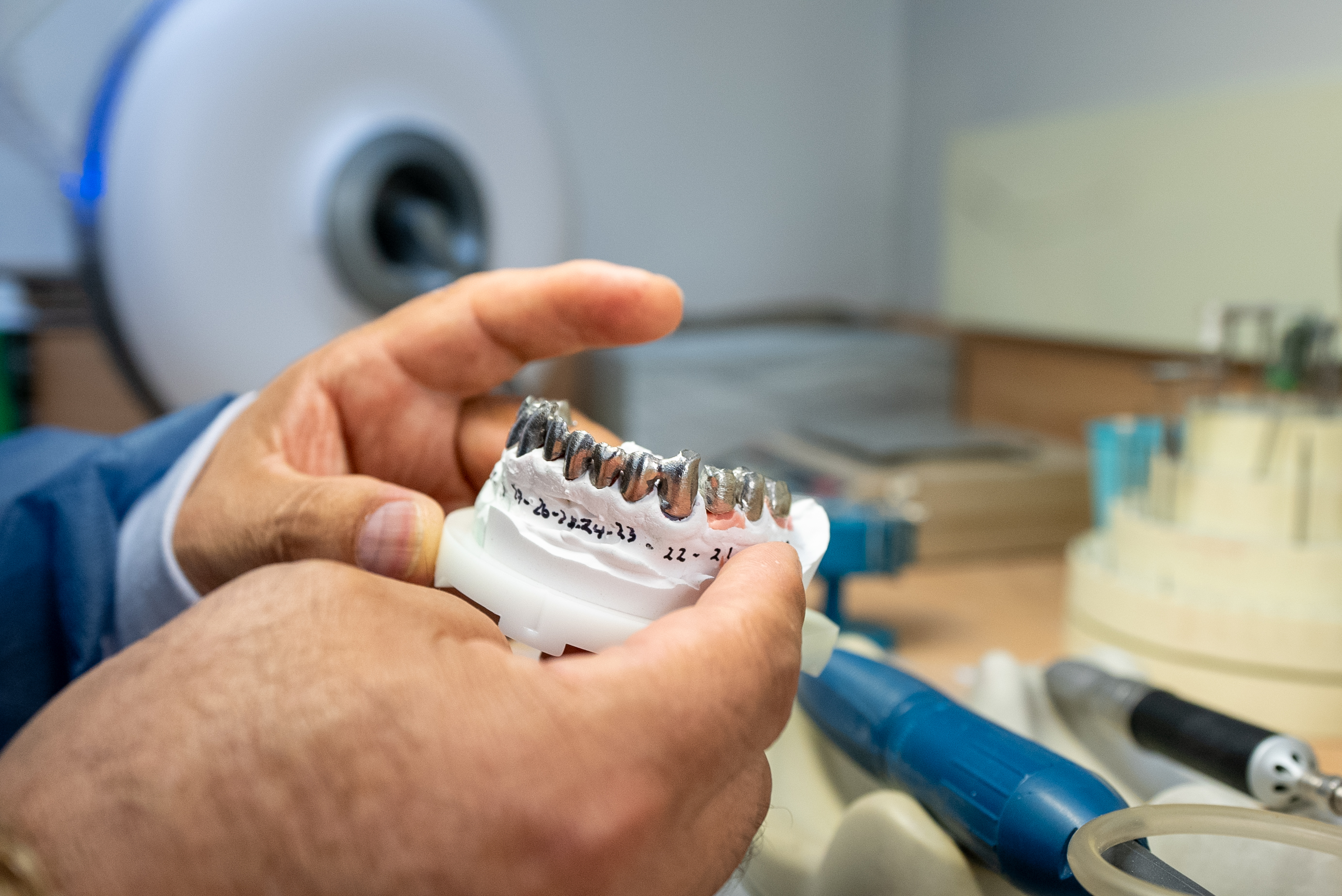
At Elite Prosthetic Dentistry in Bethesda, we've successfully placed over 3,900 dental implants with a success rate exceeding 97 percent. Our specialist prosthodontist uses the latest techniques and materials to ensure your implants provide a reliable foundation for beautiful, functional replacement teeth for decades to come.
An implant consists of three main parts: the titanium screw that serves as the artificial root, the abutment that connects the screw to the crown, and the prosthetic tooth or teeth that replace your missing tooth. Each component plays a critical role in the overall success and longevity of the restoration.
The Three Components of a Dental Implant
The Implant Fixture (Root)
The implant fixture is a titanium screw that replaces the root of your missing tooth. Titanium is biocompatible, meaning your body recognizes it as safe and integrates it into the jawbone. This screw is typically about the size of a natural tooth root and is surgically placed into the jawbone. Over three to six months, the bone grows around the implant, creating an incredibly strong and stable foundation.
The Abutment (Connector)
Once the implant has fully integrated with the bone, an abutment is attached to the top of the fixture. This small connector piece protrudes above the gumline and serves as the attachment point for your replacement tooth. The abutment is custom-made to ensure optimal fit and alignment with your natural teeth.
The Crown or Restoration
The final component is the prosthetic tooth, called a crown. This is the visible part of the implant that looks and functions like a natural tooth. At Elite Prosthetic Dentistry, we create custom crowns in our in-house laboratory to match the color, shape, and size of your surrounding natural teeth perfectly. This ensures your implant is indistinguishable from your other teeth.

How Dental Implants Work
The success of dental implants lies in their ability to replace both the visible tooth and the root. When you lose a tooth, you lose more than just the crown above the gumline. You also lose the root that anchored the tooth to your jawbone. Without this root, your jawbone begins to deteriorate in that area, a process called resorption. This can eventually lead to changes in your facial structure and make wearing dentures or bridges increasingly uncomfortable over time.
By placing an implant into the jawbone, we preserve and maintain the bone structure. The titanium root stimulates the bone just as a natural root would, preventing bone loss and maintaining your facial contours. This is why patients with dental implants rarely experience the facial sagging that often occurs with other tooth replacement options.
The process of osseointegration is remarkable. Over several months, your body actually creates a living bond between the titanium implant and your bone. This biological integration creates a stronger connection than any mechanical fastener could achieve. That's why implants can last a lifetime with proper care.
Implants vs. Other Tooth Replacement Options
Bethesda patients often wonder how implants compare to other solutions like bridges or dentures. While all three can restore your smile, implants offer distinct advantages. Bridges require grinding down adjacent healthy teeth to support the replacement tooth, which damages those teeth permanently. Traditional dentures rest on the gumline and can be uncomfortable, require daily removal for cleaning, and may shift while eating or speaking.
Implants, by contrast, stand alone. They don't affect adjacent teeth, and they function like natural teeth. You brush and floss them as you would your own teeth. They don't require removal, and they preserve your jawbone. Over your lifetime, this makes implants the most cost-effective solution despite their higher initial cost.
For patients interested in learning more about specific comparisons, we have detailed guides comparing implants versus bridges and implants versus dentures that may help you make the best decision for your situation.
The Timeline and Process
The dental implant process typically takes four to nine months from start to finish, depending on whether bone grafting is needed and how quickly your body heals. The process begins with a comprehensive consultation and examination. We take three-dimensional images of your jawbone to assess bone density and plan the precise placement of your implant.
During the surgical placement, your specialist prosthodontist carefully positions the titanium implant into the jawbone. This procedure is typically performed under local anesthesia with sedation options available. Most patients experience minimal discomfort and can return to light activities within a few days.
After placement, you'll wait for osseointegration to occur. During this healing period, we protect the implant site, and you follow specific care instructions. Once integration is complete, we place the abutment and custom crown. Many Bethesda patients are amazed at how natural their new tooth looks and feels.
Ideal Candidates for Dental Implants
Most people with missing teeth are candidates for dental implants, but certain requirements must be met. You need adequate jawbone to support the implant, which is why we conduct thorough examinations. If you have experienced significant bone loss, bone grafting may be necessary before implant placement. Elite Prosthetic Dentistry offers bone grafting services to rebuild areas that need strengthening.
Your overall health matters too. You should be free from untreated periodontal disease and in good enough health to undergo a minor surgical procedure. We evaluate all our patients thoroughly to ensure implants are the right choice. If you have concerns about whether you're a candidate, we encourage you to schedule a consultation. Our office serves patients throughout the Bethesda area and surrounding communities.
To learn more about candidacy requirements, read our detailed guide on whether you're a candidate for dental implants.
Related Articles
Dental Implant vs. Bridge
Compare implants to traditional bridges and discover which tooth replacement option is right for your situation. Learn about the advantages and disadvantages of each approach.
Read MoreDental Implants vs. Dentures
Understand how implants compare to dentures in terms of comfort, functionality, and long-term value. Find the best solution for your missing teeth.

Am I a Candidate for Implants?
Learn about the requirements and qualifications for dental implants. Discover whether you meet the criteria for this popular tooth replacement option.
Read MoreSchedule Your Consultation
Have questions about dental implants? Our specialist prosthodontist serving Bethesda and the surrounding area can answer all your questions. Call (202) 244-2101 or request a consultation to learn if implants are right for you.
Request Consultation